
34% of Zambians Have High Blood Pressure. This Is Why.
·August 23, 2026
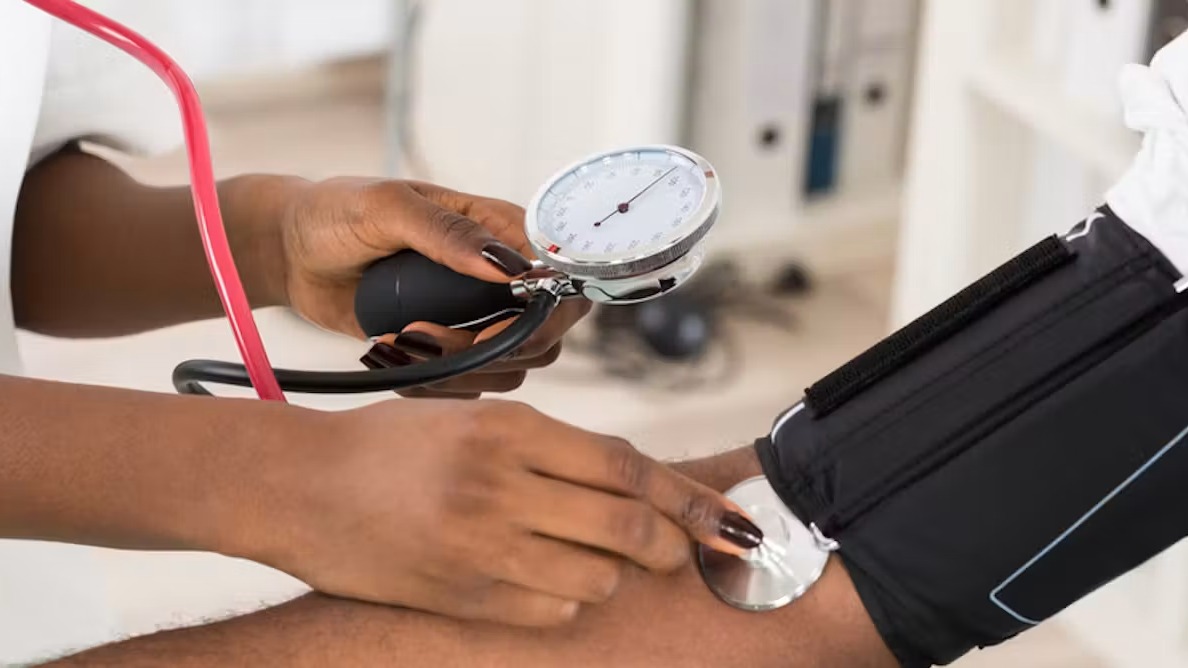
You could be one of the roughly 34 percent of Zambian adults living with high blood pressure right now and have no idea. That is the figure the Ministry of Health disclosed this year, and it captures both the scale of the problem and the reason it so rarely makes headlines: hypertension does not announce itself. It has no smell, no visible wound, no dramatic onset. It simply sits inside the arteries of roughly a third of Zambia's adult population, quietly raising the risk of stroke, heart failure and kidney disease, until, for many, it is discovered only after real damage has already been done.
THE NUMBERS
A separate study across Western Province found an even starker pattern: hypertension affected 46.9 percent of rural Zambians, more than double the 22.9 percent rate found among urban residents in the same province, a reversal of the pattern seen with some other lifestyle-linked conditions, where urban populations typically carry the higher burden.
That rural-urban gap is not simply about geography. Researchers found that increasing age, low levels of walking or cycling, and recent alcohol intake were most strongly associated with hypertension among rural Zambians, while in urban areas, body mass index carried the strongest association. In other words, the disease is reaching Zambians who live very different lives, through different pathways, but converging on the same outcome.
DO NOT BE AFRAID OF TAKING MEDICATION
Perhaps the most sobering finding comes from a study of primary health clinics in rural Zambia, which found that 34.1 percent of people identified as hypertensive during the study had never had their blood pressure measured by a doctor or health worker before, meaning they were carrying the condition, undetected, until a research team happened to check. Even more troubling: among those already on blood pressure medication, nearly 90 percent were still measured as hypertensive, meaning the treatment they were receiving was not adequately controlling their condition. Zambians with uncontrolled hypertension despite treatment were more likely to be female, older, and to carry a higher body mass index than those whose treatment was working.
This pattern is not unique to Zambia. Sub-Saharan Africa now carries the highest hypertension burden of any region in the world, according to the World Health Organization, and researchers describe hypertension as a condition that has shifted, over recent decades, from being associated with affluence to being, increasingly, a condition of poverty, driven by limited access to regular screening, inconsistent medicine supply, and health systems still weighted heavily toward infectious disease.
WHY IT MATTERS SO MUCH
Hypertension is often called a silent killer for good reason: raised systolic blood pressure is the leading cause of death globally, responsible for more than 10.8 million deaths a year, and a major driver of stroke, heart failure and kidney disease, the same complications that quietly reshape families and household finances across Zambia every year, often without hypertension ever being named as the underlying cause. Unlike many chronic conditions, hypertension is also one of the least expensive to detect. A blood pressure check takes minutes and requires no laboratory, no fasting, no specialist equipment, only a cuff, a stethoscope or a digital monitor, and a health worker willing to ask the question.
WHAT'S ACTUALLY DRIVING IT
Ask Zambians themselves what causes high blood pressure, and the answer that comes back most often is stress. A population-based study in rural Zambia found 85.3 percent of residents named stress as a risk factor, well ahead of any dietary factor. Diet came next: 51.8 percent pointed to excessive cooking oil, 47.5 percent to salt, and 42.4 percent to sugar. Far fewer recognised smoking (14.9 percent) or physical inactivity (22.7 percent) as risk factors at all, a gap researchers flagged as a real problem, since both are established, modifiable drivers of the disease.
The research backs up much of that public instinct, while adding detail people may not be aware of. A study in Western Province found Zambians were adding, on average, nearly double the World Health Organization's recommended salt intake to their food, with women adding significantly more than men.
A separate qualitative study in rural Zambia found that residents knew high salt, sugar and cooking oil were risky, but described these habits as difficult to avoid: deeply ingrained taste preferences, busier lives that push people toward oil-heavy convenience cooking, financial pressure that makes cheaper, less healthy food the practical choice, and, notably, a cultural preference for a larger body size, particularly for women, that runs directly counter to the messaging around weight and blood pressure.
In Lusaka's urban district, researchers found hypertension was independently associated with age, sex, body mass index, alcohol consumption, sedentary lifestyle and blood glucose levels, a set of factors the World Health Organization also lists among the leading global modifiable risk factors, alongside tobacco use and diets low in fruit and vegetables.
WHAT ZAMBIANS CAN ACTUALLY DO ABOUT IT
The same body of research is fairly consistent on what helps, and much of it does not require a hospital visit to start. Cutting back on added salt, the WHO's benchmark is no more than one teaspoon, about 5 grams, a day, is one of the single most effective dietary changes available, given how far above that many Zambians are currently eating. Increasing potassium-rich foods, bananas, beans and potatoes among them, works alongside salt reduction rather than instead of it.
Regular physical activity, even modest amounts of walking, cutting back on alcohol, and quitting tobacco all have well-established effects on blood pressure over time. Zambia's own Ministry of Health has, through its rural health facility guidelines, directed nurses and clinical officers to counsel patients on exactly these four areas, unhealthy diet, harmful alcohol use, tobacco use and insufficient physical activity, once elevated blood pressure is picked up at a clinic visit.
The single most important step, though, may simply be knowing your numbers in the first place. Given that a third of Zambians with hypertension have never had it measured, and that many already on treatment are still not adequately controlled, the most accessible entry point into managing this condition is also the simplest. Ask for a blood pressure check the next time you are at a clinic, for any reason at all, and if you are already diagnosed, ask whether your current treatment is actually keeping your numbers where they should be, rather than assuming a prescription alone has solved the problem.
This article is for general information purposes only and does not constitute medical advice. Anyone with concerns about their blood pressure or overall health should consult a qualified healthcare practitioner.
Stay with MUVI
Follow our reporting wherever you are