Faith & Values
As Church Leaders Call for Dialogue, What Role Can the Pope's Envoy to Zambia Actually Play?
By MUVI Editorial·October 3, 2026
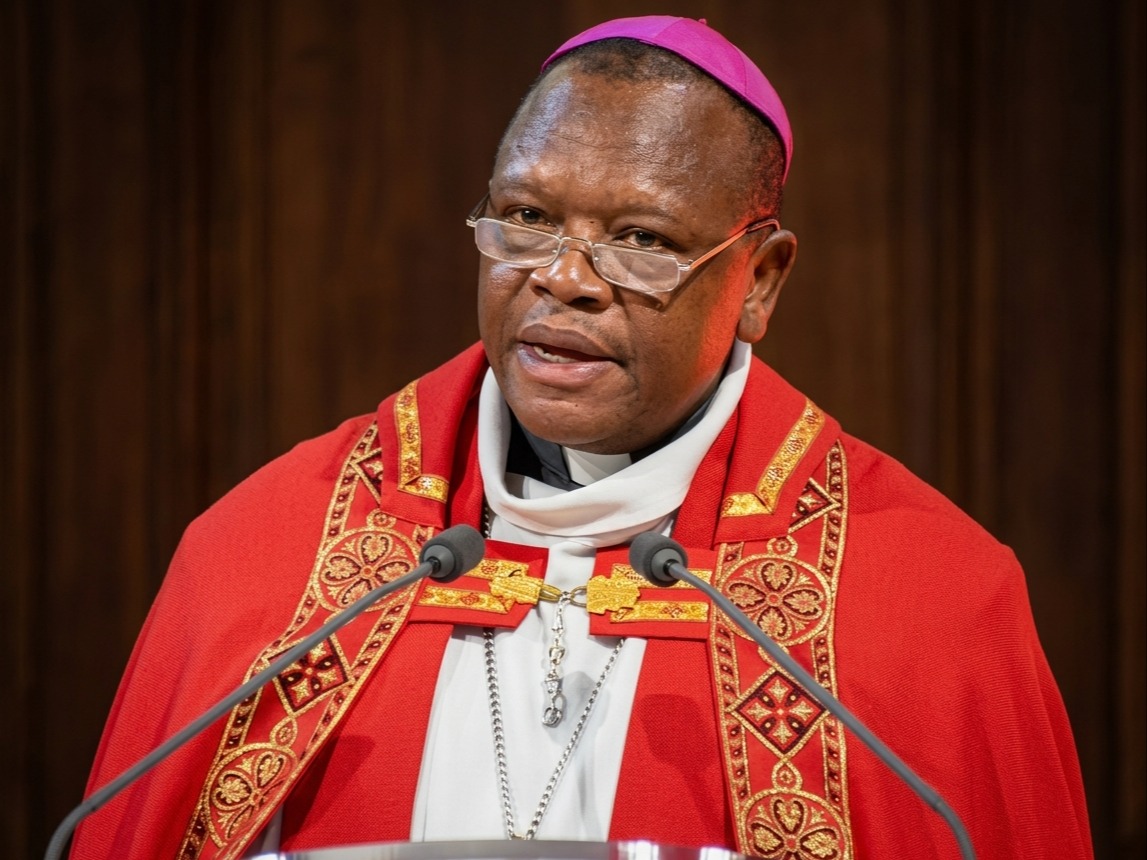
Zambia's church leadership has been speaking with increasing urgency in recent weeks, from the Zambia Conference of Catholic Bishops' pastoral statement on the country's post-election situation to its declaration of solidarity with Archbishop Alick Banda ahead of his summons before the Drug Enforcement Commission, as tension between sections of the Church and the State has become harder to ignore. Now the Council of Churches in Zambia has added its voice, with a fresh call for justice, peace, national dialogue and unity.
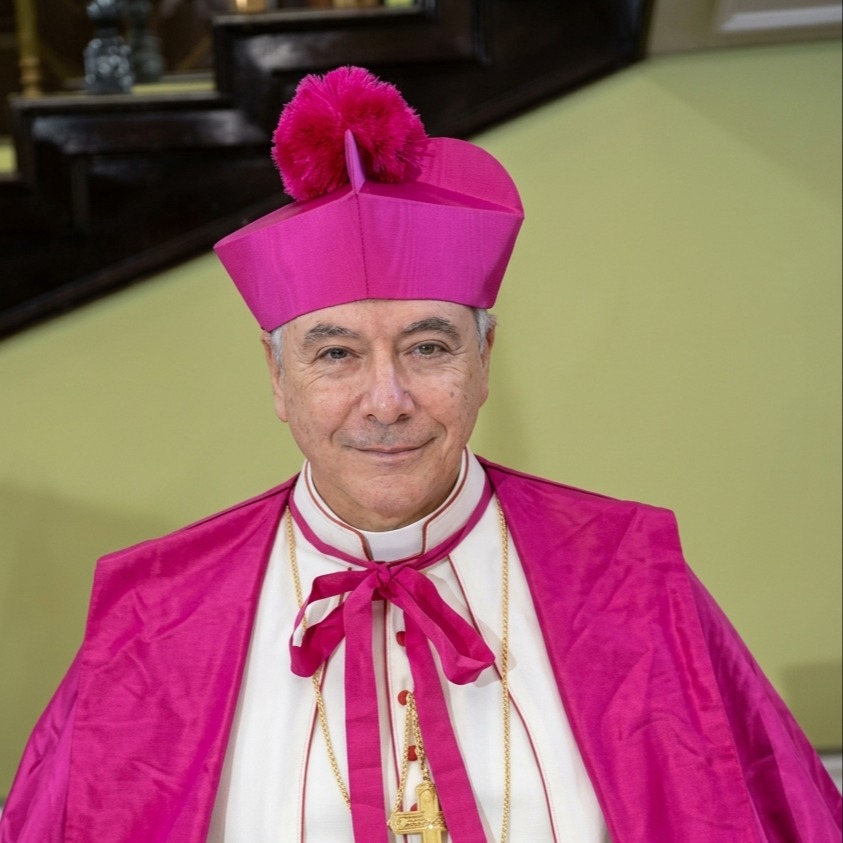
Behind the scenes, another Church figure holds a role many Zambians know little about. He is the Apostolic Nuncio, the Pope's personal representative in the country, whose quiet, deliberately unseen work has prompted its own questions about why he hasn't spoken publicly at all.
"WISDOM RATHER THAN POLITICAL TRIUMPHALISM"
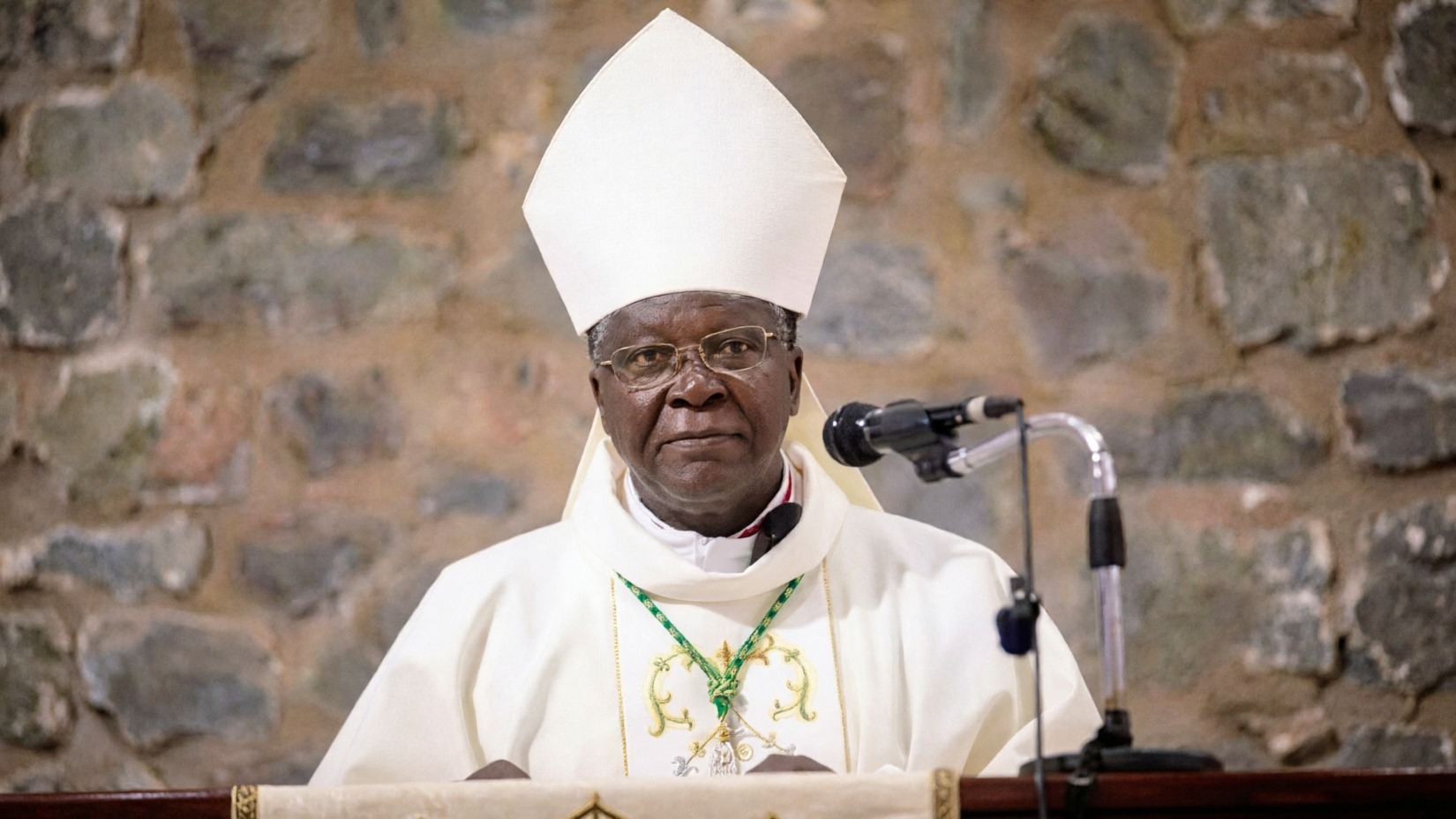
The Council of Churches in Zambia's Heads of Churches met on 30 September 2026 at the UNZA Chapel in Lusaka, under the theme "Church and Community Transformation, Peacebuilding and the Role of the Church in the Nation." At the close of the meeting, CCZ President Rev. Ackson Banda read a Communiqué on the State of the Nation, capturing what the Church leaders described as a critical moment in Zambia's national life.
The Communiqué called for "wisdom rather than political triumphalism, restraint rather than provocation, dialogue rather than confrontation, and justice rather than selective application of the law." While acknowledging progress on debt restructuring, economic indicators and free education, the Heads of Churches noted that many households continue to struggle with the cost of living, unemployment, food insecurity, energy challenges and lost livelihoods.
On the treatment of people in custody, Reverend Banda said, "no person is above the law and no person should be beneath its protection," with arrested persons entitled to humane treatment, to be informed of allegations against them, and to be brought before competent courts according to law. The Church leaders specifically called for "a thorough, independent, impartial and transparent investigation" into the death of former minister Mutotwe Kafwaya, who died during a state security operation in August 2026, stating that "where a citizen loses his or her life during a state operation, the circumstances must be fully accounted for through a credible process that establishes the truth and ensures accountability where wrongdoing is established."
He also addressed persistent allegations surrounding groups described as militias or organised groups operating outside lawful security structures, calling on state institutions to investigate "urgently, independently and transparently" and bring the matter to "a clear and credible conclusion," adding that "the Zambian people deserve clarity and closure on this matter."
Beyond these specific concerns, the Heads of Churches called for sustained national dialogue involving government, opposition parties, civil society and the Church, stressing that dialogue "should become part of Zambia's democratic culture rather than only being pursued during moments of political crisis." They reiterated that any constitutional reform process must be transparent, inclusive and people-driven, and urged all Zambians to reject political violence, tribalism, regionalism, misinformation and inflammatory rhetoric, insisting that "political opponents must never be treated as enemies."
"Governments will change, political seasons will pass and opinions will differ, but Zambia remains our shared home and its peace must never be sacrificed for short-term political or personal interests," the Communiqué concluded.
WHY YOU HAVEN'T HEARD FROM THE NUNCIO
That same question, of what role the Church can and should play in moments like this, has also been raised about a less visible figure: the Apostolic Nuncio, the Vatican's ambassador to Zambia.
In a recent analysis, Fr. Ignatius Muyunda addressed questions many Catholics have been asking amid the tension involving Archbishop Banda. who is the Nuncio, and why has his office appeared silent?
According to Fr. Muyunda, the Nuncio holds two roles simultaneously. As Ambassador of the Holy See, he is formally accredited to Zambia's president like any other foreign ambassador, and is often the Dean of Lusaka's Diplomatic Corps. As Papal Liaison to the Church, he serves as the link between the Pope and the Zambia Conference of Catholic Bishops, the clergy and the broader Catholic faithful. He is always an Archbishop appointed directly by the Pope, resides in Lusaka, and also serves as Nuncio to Malawi.
Fr. Muyunda outlines the role of the Nuncio. It is to facilitate quiet, private dialogue between State House, the Ministry of Foreign Affairs, Archbishop Banda and the ZCCB; send confidential, balanced reports to the Vatican's Secretariat of State for guidance; promote collaboration between Church and State around principles of religious freedom and mutual respect; and continue his ordinary work preparing episcopal appointments. Crucially, his method, by design, excludes public statements. "The Vatican believes that difficult issues are better solved in the boardroom than on the microphone," Fr. Muyunda writes, explaining why the Nuncio's office has not issued public remarks on the current tension.
Just as important, Fr. Muyunda sets out what the Nuncio cannot do. He cannot take public political sides or hold a press conference to condemn the government or reprimand an archbishop; his role is to remain a neutral bridge. He cannot issue instructions to Zambia's government, a sovereign state, or interfere with the law. He cannot command or discipline an archbishop like Dr. Alick Banda, who answers directly to the Pope rather than to the Nuncio. He cannot resolve the underlying issue alone, since lasting peace depends on goodwill from both government and Church leadership, the Nuncio can open a door, Fr. Muyunda notes, but both sides must choose to walk through it. And on sensitive matters, he acts only after consulting Rome, never on personal opinion.
"The Nunciature is not a court of law, but a bridge of dialogue," Fr. Muyunda concludes, noting that this quiet, behind-the-scenes approach has helped resolve tense moments in Zambia's history before. He calls on the faithful to pray for wisdom among both Church and State leaders, so that "dialogue prevails over confrontation for the good of our nation," adding that "'national drama' does not create a good working environment between the State and Church."
A CHURCH SPEAKING ON TWO TRACKS
Together, the two interventions illustrate two distinct tracks through which Zambia's Church leadership is responding to the current moment, the public, communal voice of bodies like the ZCCB and CCZ, issuing statements and Communiqués that name specific concerns and call for accountability, and the quieter, diplomatic channel represented by the Nunciature, working, by its own design, out of public view.
Whether that combination proves equal to the moment may depend less on either institution acting alone than on whether government and Church leadership, as Fr. Muyunda puts it, both choose to walk through the door dialogue offers.
Stay with MUVI
Follow our reporting wherever you are