Business
BoZ Cuts Reserve Ratio to Boost Bank Lending
·August 1, 2026
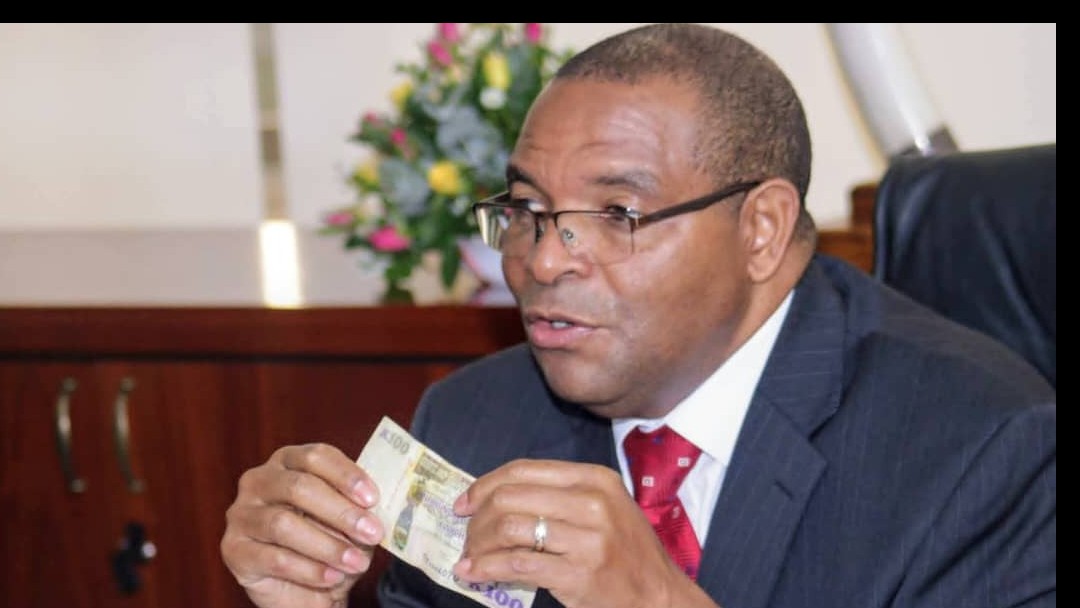
The Bank of Zambia (BoZ) has reduced the statutory reserve ratio on Kwacha deposits from 26 percent to 21 percent, a move Governor Dr. Denny Kalyalya says is intended to improve liquidity in the financial system and create more room for commercial banks to support economic activity.
Dr. Kalyalya said the adjustment, effective Monday, August 3, 2026, will allow banks to retain a larger share of their Kwacha deposits instead of keeping them as reserves with the central bank, thereby increasing their capacity to provide financing to businesses and other sectors of the economy.
He said the reduction applies to Kwacha deposits, including Government and Vostro deposits, while the statutory reserve ratio for foreign currency deposits remains unchanged at 26 percent.
Dr. Kalyalya explained that the measure was taken in accordance with Section 47 of the Bank of Zambia Act, 2022, which gives the central bank authority to set statutory reserve requirements as part of its monetary policy tools.
He said lowering the reserve requirement would provide commercial banks with greater flexibility in managing liquidity and could support increased lending to productive sectors such as agriculture, manufacturing and small and medium enterprises.
The Governor said the measure is aimed at strengthening financial intermediation by ensuring that available resources within the banking system are channelled towards productive economic activities.
He further announced a change in compliance requirements, with commercial banks now required to meet statutory reserve obligations on a weekly basis instead of daily.
Dr. Kalyalya said the revised framework would give banks more flexibility in liquidity management while ensuring compliance with reserve requirements.
He, however, stressed that the Bank of Zambia would continue monitoring the impact of the adjustment to ensure that increased liquidity supports economic growth while maintaining price stability.
The reduction comes amid ongoing concerns from businesses over access to affordable credit, with stakeholders calling for measures that can encourage investment, production and economic expansion.
Stay with MUVI
Follow our reporting wherever you are