Politics
Can Hichilema's Economic Record Withstand Scrutiny on the Cost of Living?
By Muvi TV News Desk·August 6, 2026
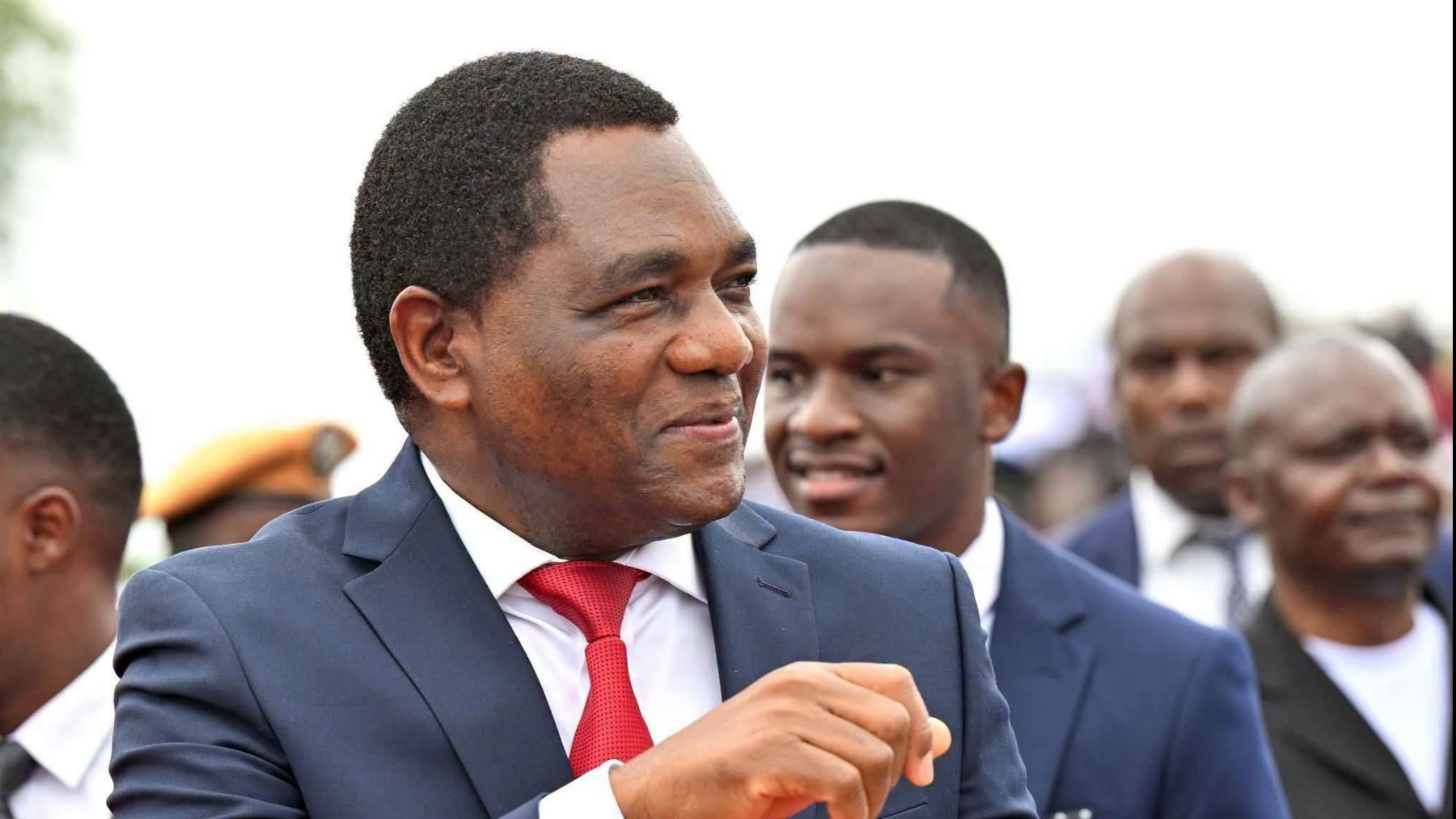
President Hakainde Hichilema's appearance on BBC Focus on Africa, in an exchange with journalist Dingindaba Jonah Buyoya, offered him a platform to defend his government's economic record before a continental audience with just weeks remaining before Zambians vote.
The interview also exposed the central tension of his re-election campaign: a government confident in its macroeconomic turnaround, facing an electorate that says it has not felt that turnaround in its pockets.
Hichilema opened by framing his first term against the state in which UPND found the country in 2021. He pointed to a debt-distressed economy that had defaulted on its obligations and was contracting, citing negative GDP growth as evidence of the scale of the crisis inherited. Against that backdrop, he presented debt restructuring as his government's signature achievement, citing significant annual savings that he argued have been redirected from past debt-servicing costs into investment.
That framing, however, ran directly into Buyoya's central challenge: that ordinary Zambians say the cost of living has nearly doubled since Hichilema took office, regardless of what national inflation figures show.
It is a familiar disconnect in economic reporting, between macroeconomic indicators that capture trends at a national level and the lived experience of households facing rising prices for daily essentials.
Buyoya pressed the point further by raising a specific, checkable commitment: that Hichilema's government had promised to reduce the cost of mealie meal, a promise dating back to before the 2021 election, when Hichilema pledged to keep a 25-kilogram bag at K50, and had not delivered on it. Mealie meal prices have instead risen several times over since then, a gap that has become one of the most consistent lines of attack from opposition figures during this campaign.
Hichilema's response, delivered twice in quick succession as "that is not true," did not, in this exchange, come with the specifics needed to settle the question. Instead, he pivoted to a different metric, Zambia's maize production, arguing that despite the worst drought in living memory two years prior, the country had reached its highest maize output since independence.
The pivot illustrates a pattern common in political interviews under pressure: substituting an adjacent, favourable statistic for the specific claim being tested. A record maize harvest speaks to agricultural output and food security at a national level; it does not, on its own, demonstrate that the retail price of mealie meal facing consumers has fallen as promised. Whether increased production has actually translated into lower prices at the market, and if not, why not, remained unaddressed in the portion of the interview reviewed here.
On the question of a more competitive race than many observers predicted weeks earlier, Hichilema declined to read it as a signal of voter dissatisfaction, instead framing competition itself as a healthy feature of Zambian democracy. It was a measured answer, avoiding either dismissiveness toward his challenger or any concession that his standing had weakened, though it also did not directly engage with the "why" behind Buyoya's question.
With just days remaining before the 13 August election, the exchange captured the core argument each side of Zambia's political debate is making to voters: one pointing to macroeconomic stabilisation and record harvests as evidence of a country back on track, the other pointing to the price of a bag of mealie meal as evidence that the recovery has not yet reached ordinary households.
Stay with MUVI
Follow our reporting wherever you are