Faith & Values
Catholic Bishops Issue Pastoral Statement on Zambia's Current Situation
By Muvi TV News Desk·September 30, 2026
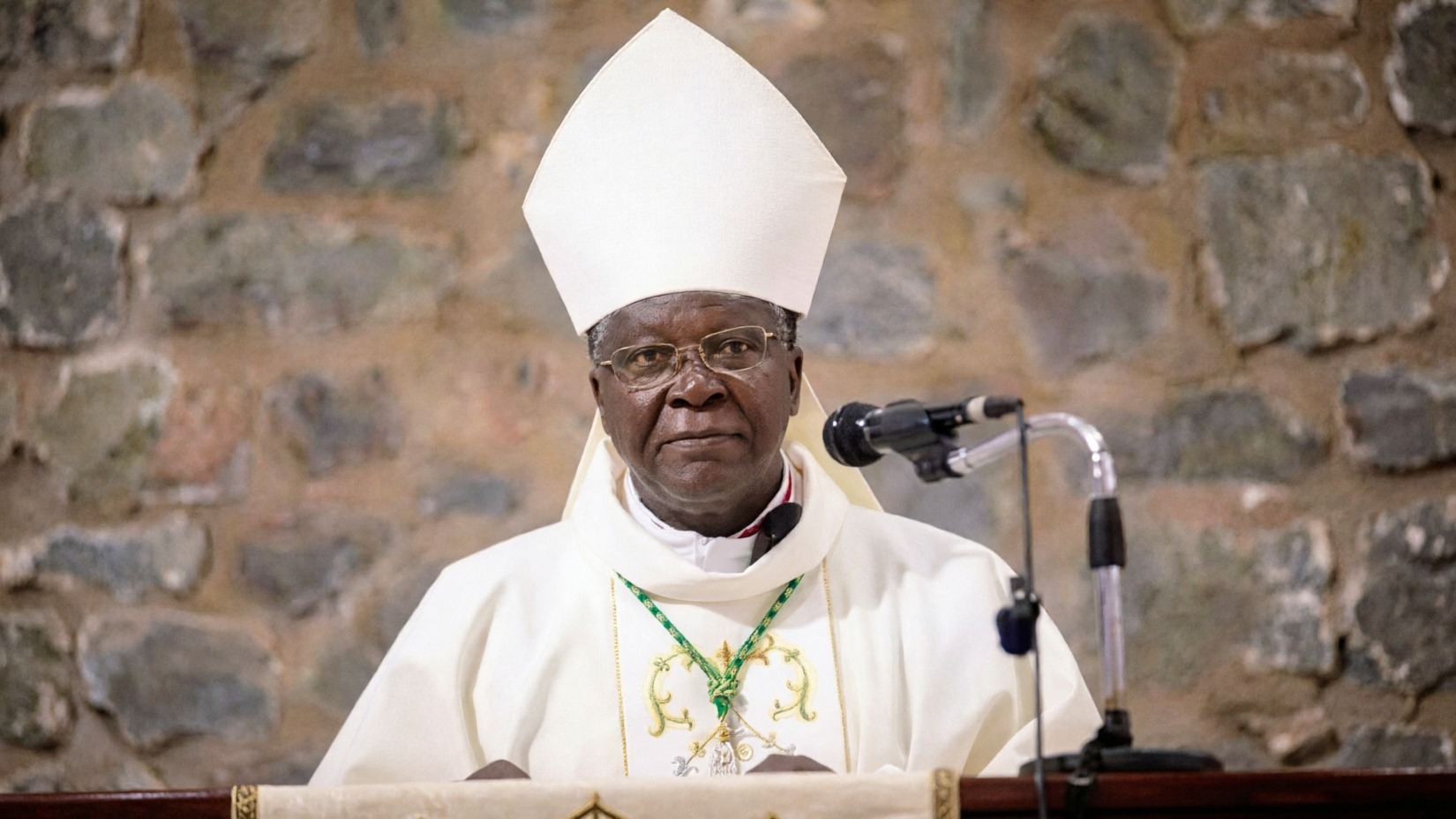
The Zambia Conference of Catholic Bishops has issued a pastoral statement on the current situation in Zambia, raising concern over political polarisation, the treatment of opposition figures and civil society, and reports of arbitrary arrests and excessive use of force, while appealing for national dialogue, reconciliation and protection of human dignity.
The statement, titled "Pastoral Statement on the Current Situation in Zambia," was issued at Kapingila House on 30 September 2026 and signed by eight bishops, led by ZCCB President Most Rev. Ignatius Chama, Archbishop of Kasama. It followed an extraordinary plenary meeting of the bishops held on 29 September 2026 "to prayerfully deliberate on the current situation in our beloved country, Zambia."
The bishops said their purpose was "not to deepen political divisions or to take sides in partisan struggles," but to contribute, as the Church has consistently sought to do, to the protection of human dignity, the strengthening of justice and peace, the defence of truth, and the preservation of national unity.
CONCERNS RAISED
The statement listed a series of concerns under a section titled "Reading the Signs of the Times." The bishops said they were concerned about increasing political polarisation, which they said was weakening dialogue and cooperation and making it harder for citizens to place the common good above partisan interests.
They raised concern about the manipulation of ethnic identities and tribal sentiments for political purposes, warning that such tendencies threatened the spirit of the national motto, "One Zambia, One Nation," and risked creating divisions and mistrust among citizens.
The bishops said they were concerned about fear experienced by many citizens relating to personal security, freedom of expression, employment and the consequences of expressing political opinions, as well as the narrowing of space for freedom of expression, including concerns raised about the treatment of independent media, civil society and dissenting voices.
They also expressed concern about the credibility and transparency of electoral processes, including concerns raised regarding the conduct and management of the 2026 General Elections, saying public confidence in elections was essential to the legitimacy and stability of democratic institutions.
Other concerns listed included restrictions affecting access to justice and perceptions that the independence of institutions of governance and the rule of law are being weakened; difficulties faced by opposition parties and political actors, including reports of harassment, restrictions and arrests; intimidation, political violence and cadreism; debates surrounding constitutional provisions relating to presidential terms of office; and reports of arbitrary arrests and detention, the presence of military personnel in civilian spaces, and reports of excessive or unlawful use of force, including the loss of civilian lives.
"Every human life is sacred and must be protected," the bishops said.
They said these developments, taken together, called for urgent attention, warning that they risked weakening trust between citizens and institutions and deepening divisions in society. "We therefore believe that the present moment requires not silence or resignation, but responsible action directed towards peace, justice, reconciliation and the common good," the statement read.
THEOLOGICAL BASIS
The bishops grounded their response in the Word of God and the social teaching of the Catholic Church, citing the Second Vatican Council's teaching that "the political community exists for the common good" and that political authority "must serve the dignity and welfare of the people" within the framework of justice, truth and the rule of law. They cited the prophet Isaiah's warning, "Woe to those who make unjust laws, to those who issue oppressive decrees," and the Beatitude, "Blessed are the peacemakers, for they shall be called children of God."
A SERIOUS PASTORAL APPEAL
The bishops made a series of appeals to all Zambians and people of good will. These included a renewed commitment to the dignity of every human person, saying no political interest, party loyalty, ethnic identity or exercise of power can justify the violation of human dignity or the taking of innocent life; the protection and strengthening of constitutionalism, the rule of law and the independence of institutions; genuine dialogue on political, social or ethnic tensions; and an appeal to political leaders and actors to place the common good above partisan interests and reject inflammatory language, tribalism, violence and political intolerance.
They also appealed to citizens to resist provocation, reject hatred, tribalism, violence and the misapplication of social media to misinform, disinform and insult others; called for the protection of freedom of expression, freedom of association and legitimate space for media, civil society and citizens to participate in national life; and appealed for the protection of every person's right to due process and access to justice, and for an end to arbitrary arrests, intimidation and political violence.
ACTIONS CALLED FOR
The bishops outlined a list of actions they said should be pursued urgently, without assigning them to particular persons, institutions or groups, saying "the challenges before us require the contribution of the whole nation." These included a sustained process of national dialogue, reconciliation and healing; measures to strengthen the independence, credibility and effectiveness of institutions that safeguard democracy, constitutionalism, justice and the rule of law; a review and strengthening of electoral processes so citizens can be confident their votes are protected and outcomes managed transparently; intensified civic and constitutional education, particularly among young people; strengthened peace-building and reconciliation initiatives at national, provincial, diocesan, community and grassroots levels; greater protection for freedom of expression, association, responsible journalism and civil society; pastoral, humanitarian and legal support for persons and families affected by violence, arbitrary detention, intimidation or other forms of injustice; and the promotion of a culture of accountability and responsible leadership.
The bishops said these efforts "should not end with this Statement," and committed the Church to continued listening, engagement and appropriate action.
A WORD OF HOPE
The bishops said the statement was issued "not to deepen fear, but to give hope," acknowledging that many Zambians were anxious and uncertain about the future. They quoted their own 2004 statement, "A Call to Integrity," which said: "The nation cannot be built on lies, corruption, and intimidation, but only on truth, justice and service."
"Let us therefore refuse despair. Let us choose dialogue over confrontation, reconciliation over revenge, truth over falsehood, justice over impunity, and solidarity over division," the statement concluded.
The bishops asked Catholic clergy, religious and the lay faithful to gather for the Holy Rosary throughout October, dedicating prayers for peace in the nation.
The statement was signed by Most Rev. Ignatius Chama, Archbishop of Kasama and ZCCB President; Rt. Rev. Charles Kasonde, Bishop of Solwezi and ZCCB Vice President; Rt. Rev. George Lungu, Bishop of Chipata; Rt. Rev. Clement Mulenga, SDB, Bishop of Kabwe; Rt. Rev. Patrick Chisanga, OFM Conv, Bishop of Mansa; Rt. Rev. Edwin Mulandu, Bishop of Mpika; Rt. Rev. Raphael Mweempwa, Bishop of Monze; and Rt. Rev. Gabriel Msipu Phiri, Auxiliary Bishop of Chipata.
Stay with MUVI
Follow our reporting wherever you are