Environment
Chief Mailo Sets Aside 200 Hectares For Reforestation Around Solar Plant
By Muvi TV News Desk·October 26, 2026
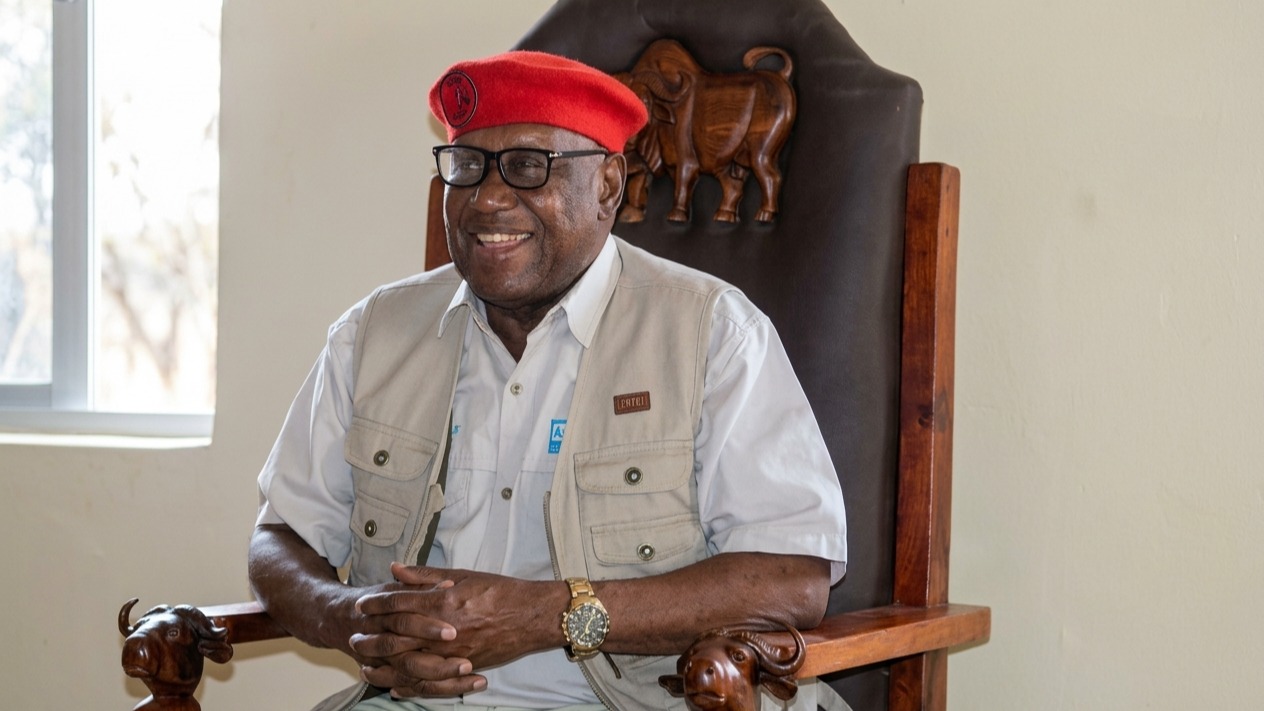
Chief Mailo of Serenje has set aside 200 hectares of degraded land for a tree-planting programme intended to offset vegetation cleared during the development of a solar power project in his chiefdom.
The land allocation is aimed at compensating for the 204 hectares occupied by Solarcentury Africa’s solar plant, linking investment in renewable energy with efforts to restore degraded land.
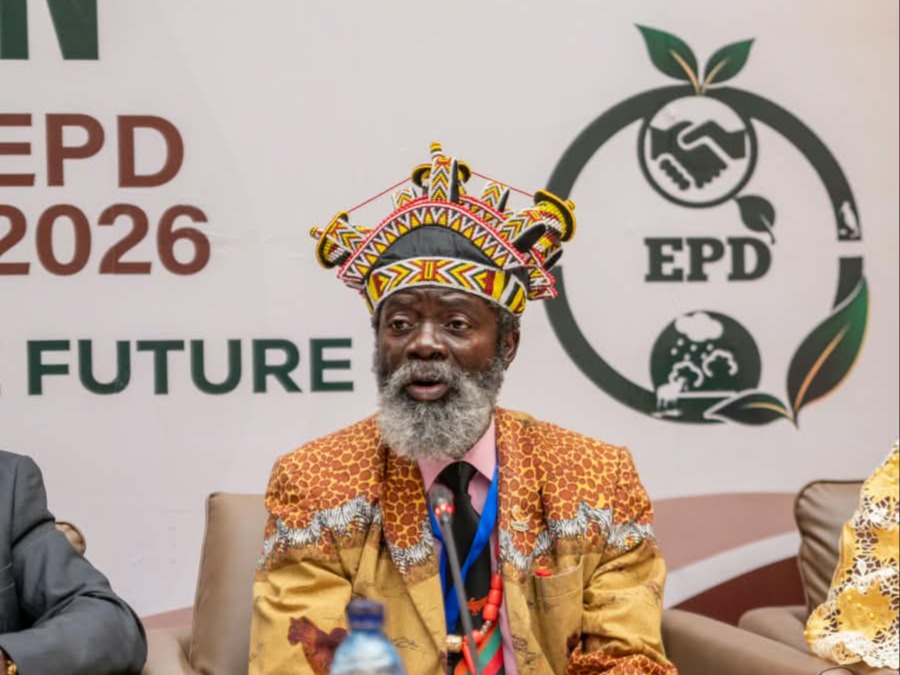
Speaking at the Environmental Protection Dialogue at the Mulungushi International Conference Centre in Lusaka, Chief Mailo said the reforestation programme would begin before the end of the year.
“We have released 200 hectares of degraded land specifically for compensatory replanting to ensure that the environmental impact of the project is addressed responsibly,” he said.
Beyond the tree-planting initiative, the traditional leader highlighted how his chiefdom manages land through the Mailo Royal Establishment Trust. Established under the Chiefs Act, Chapter 287 of the Laws of Zambia, the arrangement is intended to strengthen land oversight while protecting community interests.
Chief Mailo said the trust had also helped local communities benefit from investment in the Mailo Solar Plant, which he described as Zambia’s first dedicated merchant solar facility trading electricity on the Southern African Power Pool.
The plant’s first phase has a capacity of 25 megawatt-peak (MWp). Developed, financed and constructed in less than 12 months, it is expected to generate between 40 and 55 gigawatt-hours of electricity annually — enough to supply approximately 25,000 households.
The project is also projected to offset between 20,000 and 45,000 tonnes of carbon dioxide emissions each year. More than 400 jobs were reportedly created for local people during construction and operations.
For Chief Mailo, however, the benefits of investment must extend beyond electricity generation and employment. He stressed the importance of involving traditional leaders in decisions concerning land administration, displacement and natural resource management, arguing that they are well placed to understand the needs of their communities.
He also pointed to the role of professionals, including lawyers and other experts working within the trust structure, in strengthening land governance and accountability.
The traditional leader called for closer cooperation between government institutions, non-governmental organisations, traditional authorities and other stakeholders. He also highlighted Community Resources Boards established under the Wildlife Act No. 14 of 2015 as part of the existing framework for supporting conservation.
The Environmental Protection Dialogue is organised by the Centre for Environmental Justice in partnership with government institutions and cooperating partners. This year’s event received support from organisations including the International Crane Foundation, the European Union, ZANACO, Oxfam, CARE and Environment Africa.
Stay with MUVI
Follow our reporting wherever you are