
Courts Reopen After Three Days, but LAZ Says Zambia Still Needs Answers
·August 27, 2026
Web
The Law Association of Zambia has welcomed the reopening of Zambia's courts on 27 August, three days after they were shut nationwide, but said the reopening alone does not resolve the serious questions raised by the closure, and renewed its call for the Judiciary to explain what happened and put safeguards in place to prevent it recurring.
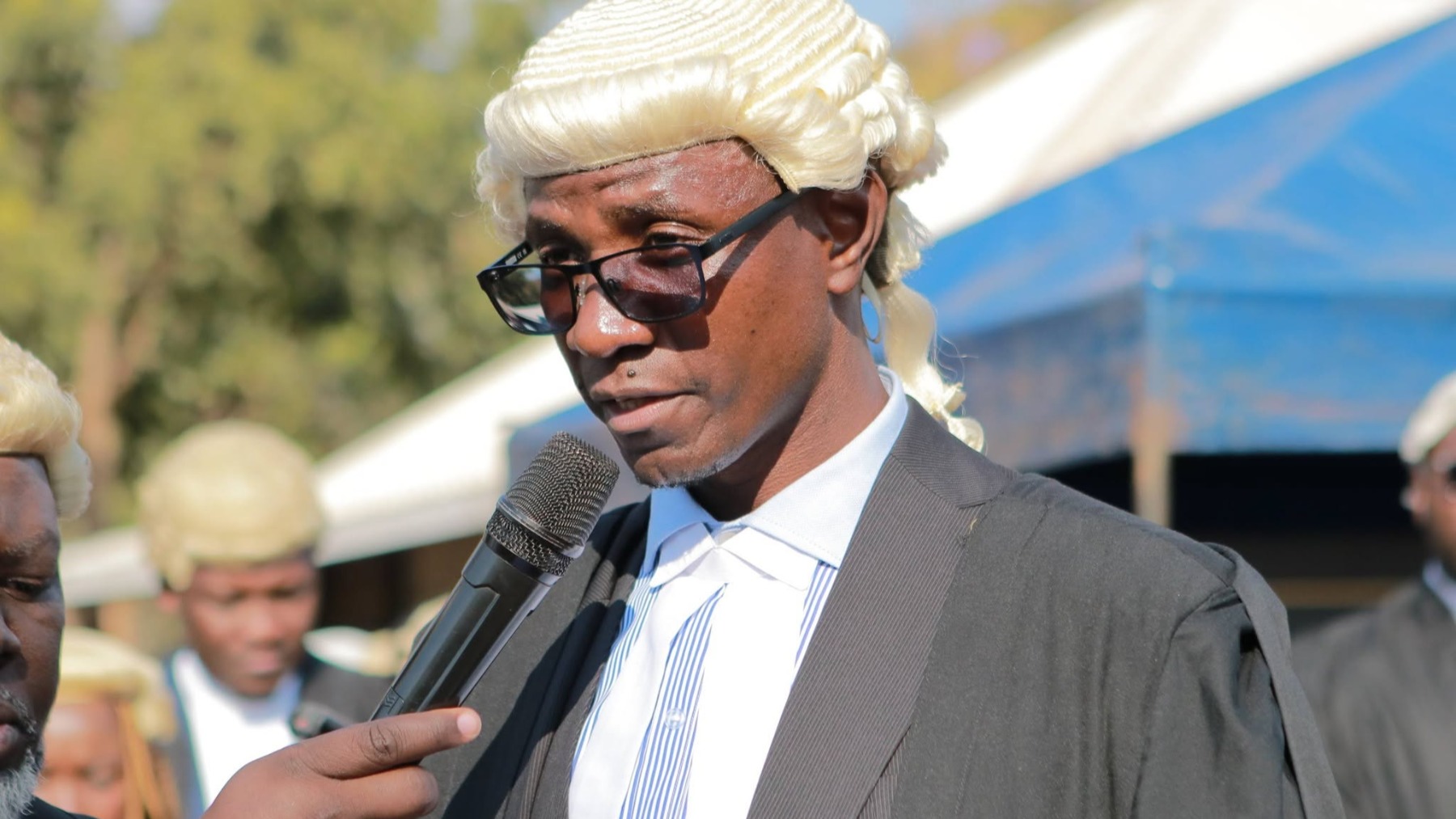
Addressing a press briefing in Lusaka, LAZ President Arnold Kaluba said courts and court registries had been closed across the country from Monday, 24 August, and reopened that Thursday, restoring access to judicial and registry services for legal practitioners, litigants and the public. "LAZ welcomes the reopening of the courts, as it restores access to judicial and registry services," Kaluba said, "however, we wish to place it on record that the reopening of the courts today does not, by itself, resolve the serious issues arising from the three-day interruption of access to judicial services."
WHAT LAZ COULD NOT GET ANSWERED
Kaluba said the Association had spent the preceding days engaging the Judiciary directly, seeking to understand the reasons for the closure, its scope and duration, the authority under which it was ordered, and what measures had been put in place to protect people whose rights required urgent judicial intervention during that period. "Regrettably, we have not received the meaningful and comprehensive explanation that the circumstances required," he said.
On the question of political responsibility, LAZ addressed State House's own statement directly, MUVI reported on that statement, in which State House denied President Hakainde Hichilema had ordered the closure. "We have also taken note of the public statement from State House indicating that the Executive did not sanction or direct the closure of the courts," Kaluba said. "We have no reason, at this stage, to doubt that assertion."
THE COST OF THREE DAYS
Kaluba laid out, in specific terms, who the closure put at risk. "There are accused persons who may have required bail," he said. "There are persons who may have required urgent protection from unlawful detention or other violations of their rights. There are survivors of gender-based violence who may have required protection orders. There are litigants requiring urgent injunctions. There are businesses and individuals whose property or contractual interests may have required immediate protection. And there are parties whose legal rights depend upon filing within a prescribed statutory or constitutional period." He said no person should lose a right, remedy or opportunity to be heard "because the institution through which that right had to be exercised was inaccessible," and called on the Judiciary to issue clear, authoritative directions, without further delay, on how affected filings, applications and deadlines will be treated, and to ensure no litigant or practitioner is unfairly prejudiced by the closure.
"SECURITY CANNOT BECOME A BLANKET JUSTIFICATION"
LAZ acknowledged that genuine security concerns may, in exceptional circumstances, justify restricting access to court premises to protect judicial officers, staff, litigants and the public. But Kaluba was firm that any such response "must be proportionate and, as far as reasonably possible, preserve access to essential judicial services," adding: "Security cannot become a blanket justification for leaving people without a meaningful avenue to approach the courts." Where physical closure is genuinely necessary, he said, alternative arrangements for urgent matters and essential filings must exist.
A CALL FOR A CONTINGENCY FRAMEWORK
Kaluba said the episode had exposed a structural gap Zambia needs to close. "This experience has exposed the need for a clear institutional framework for maintaining access to justice during emergencies," he said. "The country should not again find itself in a situation where court premises are closed, legal deadlines continue to run, urgent rights require protection, and court users do not know where or how to seek relief." LAZ called on the Judiciary to develop and publicly communicate formal contingency arrangements for any future disruption, providing at minimum for urgent applications and alternative filing mechanisms when physical access is unavailable, calling it "a safeguard for the rule of law."
Kaluba closed by saying LAZ stands ready to engage constructively with the Judiciary and all stakeholders, and would continue monitoring the situation under its statutory mandate to defend the rule of law, access to justice, constitutionalism, and the independence and dignity of the Judiciary. "We do so not as an adversary of the Judiciary," he said, "but as a stakeholder in the administration of justice and as an Association committed to ensuring that the justice system works for every Zambian."
Stay with MUVI
Follow our reporting wherever you are