Crime & Courts
Danny Pule Among Religious Leaders Facing Court Proceedings
By Muvi TV News Desk·October 16, 2026
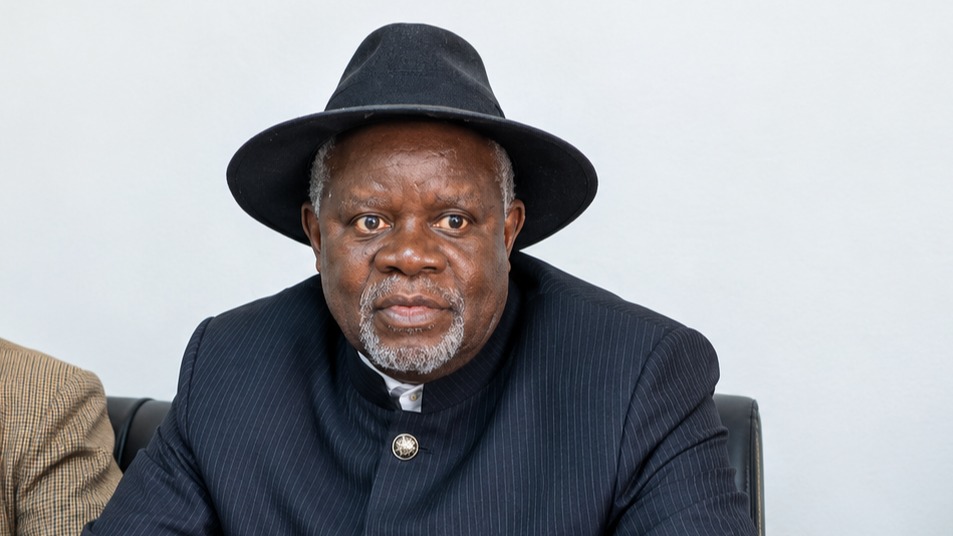
LUSAKA, Zambia — The appearance of Christian Democratic Party president Danny Pule in court this week adds to a series of recent legal proceedings involving prominent religious figures in Zambia, bringing renewed attention to the intersection of religious leadership, public life and accountability under the law.
Pule, a clergyman and politician, appeared before the court on Thursday, October 15, as proceedings continued in a case in which he is charged with seditious practices over remarks allegedly made about government appointments and regional representation. He has pleaded not guilty.
His legal team told the court that it intends to call eight witnesses in his defence. The matter was adjourned to November 18 for mention, while December 14 was set for the continuation of his defence.
The case dates back to remarks Pule allegedly made between May 16 and May 28, 2024, accusing President Hakainde Hichilema of favouring the Zambezi region in government appointments. Those allegations have not been established in court.
Pule’s appearance comes amid wider public attention to legal proceedings involving other prominent religious figures, including Lusaka Archbishop Alick Banda, who was arrested and charged in September with possession of property reasonably suspected to have been unlawfully obtained. He is defending himself in that case.
The cases involve different allegations and separate legal processes. However, their prominence has sparked discussion about how religious leaders navigate public responsibilities when facing criminal proceedings.
Earlier this week, the House of Clergy Zambia called on Archbishop Banda to consider temporarily stepping aside from active pastoral duties while the legal process continues. The organisation said such a move could help protect public confidence in the Church, while stressing that legal proceedings against an individual cleric should not be treated as an attack on the Church as an institution.
The developments have also highlighted the distinction between religious standing and legal accountability. Clergy, like other citizens, are subject to the law, while the allegations against those facing charges must be determined through the judicial process.
For Pule, the immediate focus remains his defence. The court ruled in December 2025 that he had a case to answer after the prosecution presented its evidence. His decision to call eight witnesses marks the next stage in his response to the charge.
The proceedings are expected to resume on December 14.
As these cases continue, the central principle remains that a person’s religious position does not place them above the law, just as being charged with an offence does not establish guilt. Each case must be determined on its own evidence and merits.
Stay with MUVI
Follow our reporting wherever you are