World
Trump Administration Declares War on International Criminal Court
·July 14, 2026
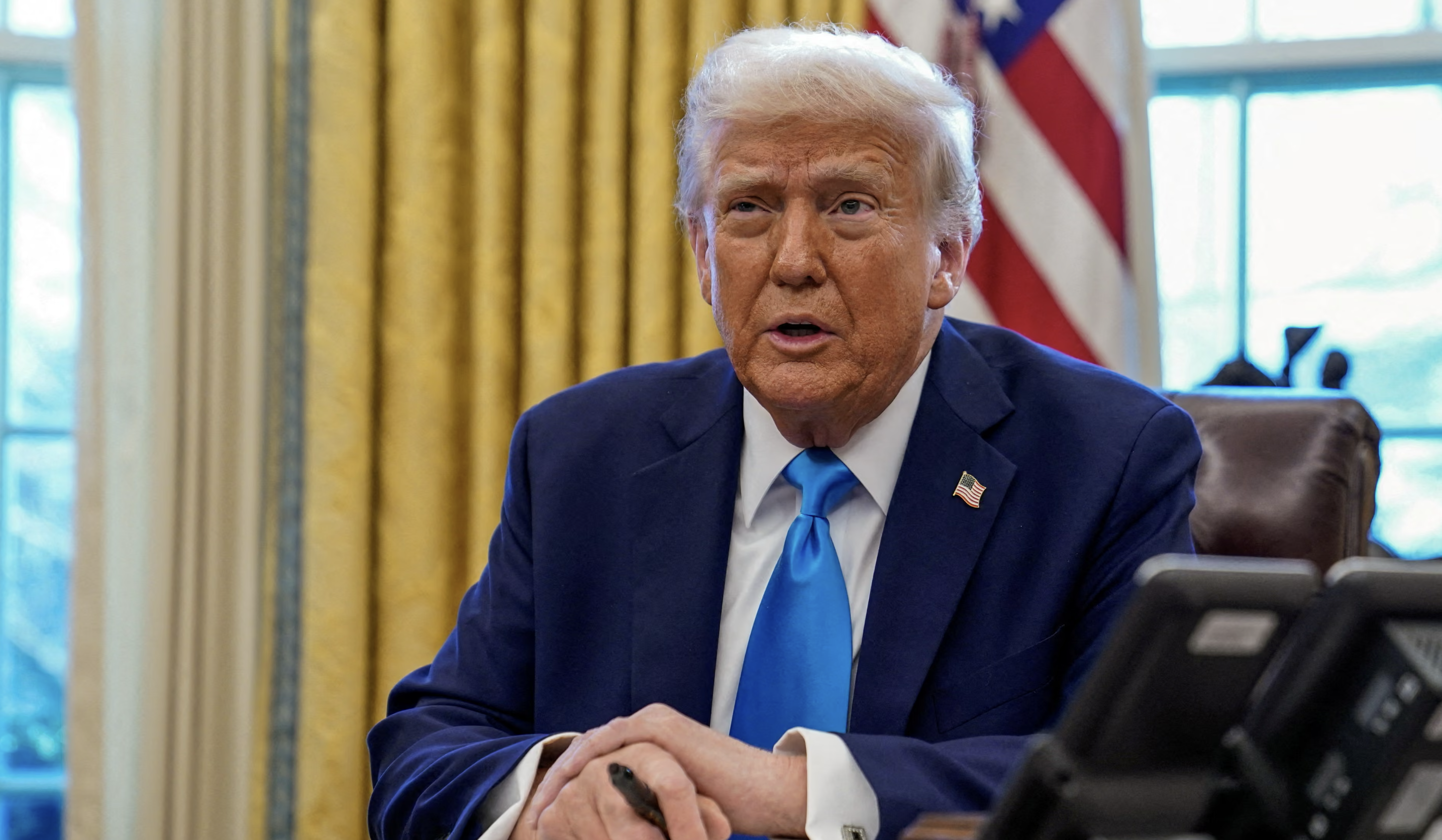
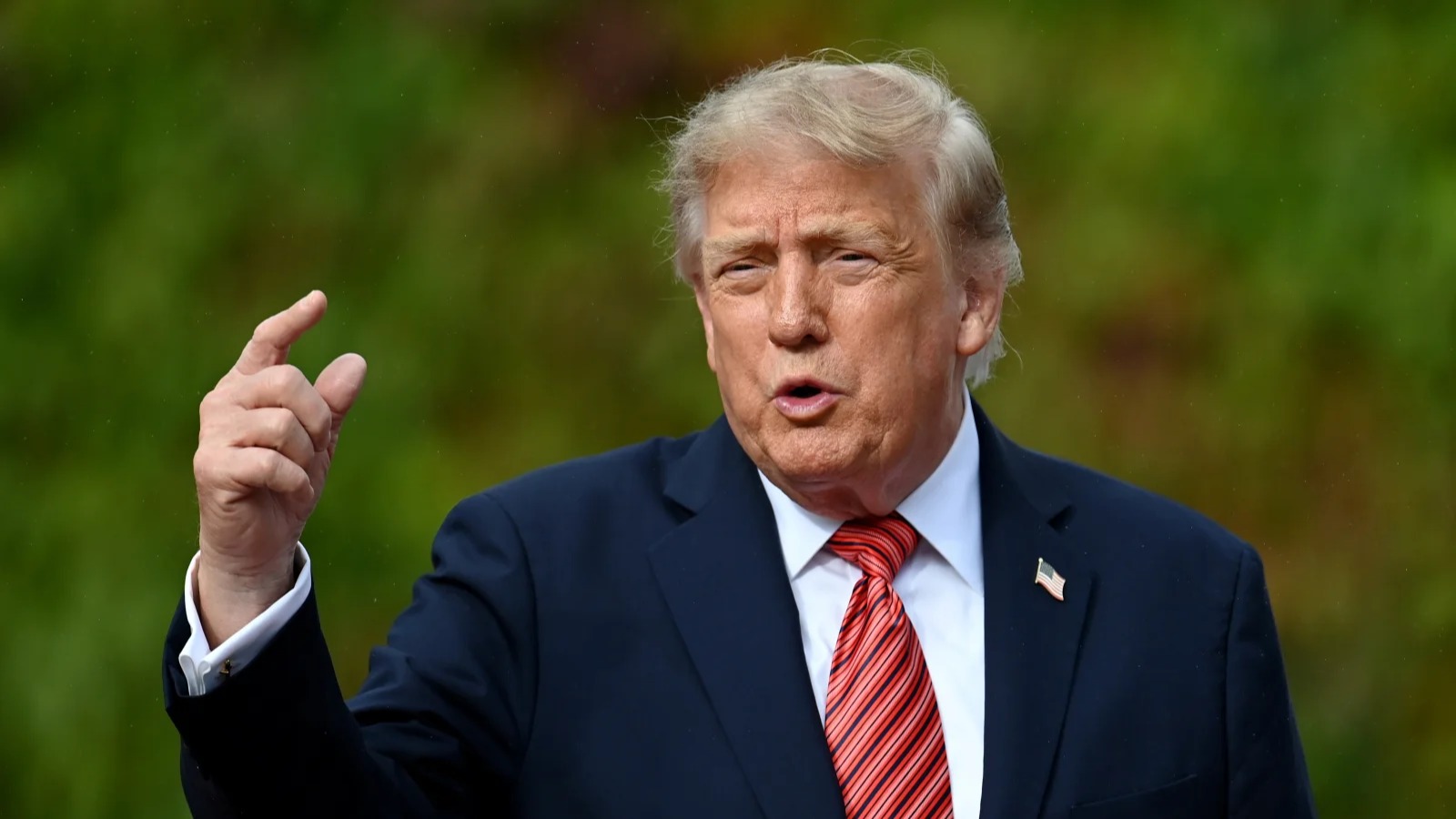
The United States has launched its most aggressive campaign yet against the International Criminal Court (ICC), with Secretary of State Marco Rubio vowing to use diplomatic, economic and legal pressure to weaken what he describes as a threat to American sovereignty.
In an opinion article and accompanying video message, Mr. Rubio accused the Hague-based court of overstepping its original mandate by seeking to investigate and prosecute American officials, military personnel and close U.S. allies, particularly Israel. He argued that U.S. citizens should never face trial before an international court that Washington has never joined.
Why is the U.S. opposed to the ICC?
The International Criminal Court was established in 2002 to prosecute individuals accused of genocide, war crimes, crimes against humanity and the crime of aggression when national courts are unwilling or unable to do so.
The United States signed the Rome Statute that created the court but never ratified it, meaning it is not a member of the ICC. Successive U.S. administrations—both Republican and Democratic—have argued that the court should not have jurisdiction over American citizens.
Tensions escalated after the ICC opened investigations into alleged war crimes committed in Afghanistan and later issued arrest warrants for Israeli Prime Minister Benjamin Netanyahu and former Defence Minister Yoav Gallant, moves strongly opposed by Washington.
What does Rubio want to do?
Mr. Rubio says the Trump administration will work to diplomatically isolate the ICC, encouraging countries to withdraw support for the court while considering additional sanctions, visa restrictions and travel bans against ICC officials and organisations associated with its work.
He warned that countries relying on U.S. security or law enforcement cooperation could face increased scrutiny if they continue recognising what he called the ICC's authority over American personnel.
Critics push back
Human rights organisations and international law experts have criticised the campaign, arguing that it risks weakening one of the world's most important institutions for prosecuting atrocities such as genocide and war crimes.
Legal experts also note that the ICC does not have unlimited powers. The court generally exercises jurisdiction only when alleged crimes occur in member states or when states accept its jurisdiction, and it acts only if national authorities fail to investigate or prosecute serious international crimes.
The latest move marks a significant escalation in the long-running dispute between Washington and the ICC, raising fresh questions about the future of international justice and accountability for the world's gravest crimes.
Stay with MUVI
Follow our reporting wherever you are