
Ian Khama's Remarks Spark Divide As Akashambatwa Defends Him While Copperbelt CSO's Demand Apology
·November 2, 2026
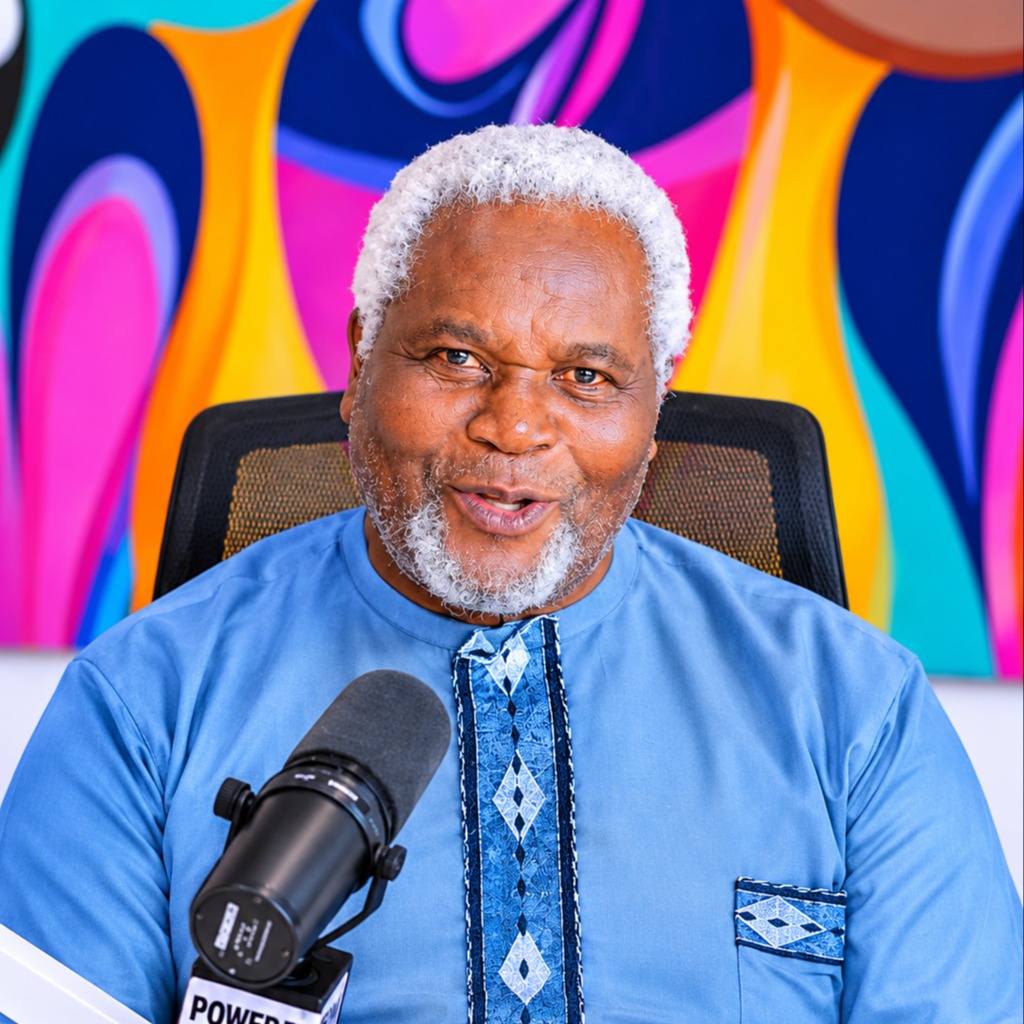
Former Botswana President Ian Khama’s criticism of President Hakainde Hichilema has sparked sharply contrasting reactions in Zambia, with Prince Akashambatwa Mbikusita-Lewanika defending his right to speak out while a consortium of Copperbelt civil society organisations has condemned his remarks and demanded an apology.
Khama recently described Hichilema as “Africa’s newest dictator” and raised concerns about Zambia’s democratic governance. Prince Mbikusita-Lewanika, Chairperson of the Council of Elders for Ethical Leadership, Democracy and Development, welcomed his intervention, arguing that African leaders have a responsibility to hold one another accountable on democracy and human rights.
Other political figures including Fred M'membe and Nason Msoni have have added their voices to the discourse on remarks attributed to Khama.
Mbikusita-Lewanika said national sovereignty should not be used to silence legitimate criticism, recalling that Khama was among African leaders who called for Hichilema’s release when he was detained on treason charges while in opposition.
However, the Copperbelt Consortium of Civil Society Organisations (CCCSOs), in a statement issued on November 2, rejected Khama’s accusations as factually incorrect and undiplomatic. Consortium Coordinator Vincent Lengwe cited the abolition of the death penalty, repeal of the law criminalising defamation of the President and other governance reforms as evidence of democratic progress under Hichilema.
The organisations also questioned Khama’s own democratic record in Botswana and urged him to retract his remarks and apologise to Zambians.
The opposing positions have brought a wider debate into focus over whether criticism from former African leaders represents legitimate democratic accountability or interference in another country’s affairs. While Mbikusita-Lewanika argues that African solidarity includes speaking out against alleged violations of democratic rights, the Copperbelt organisations insist that Zambia’s sovereignty and democratic institutions deserve respect.
The disagreement highlights competing interpretations of the country’s political direction following the August 2026 elections.
Stay with MUVI
Follow our reporting wherever you are