
International Observers Assess Zambia Polls
·August 16, 2026
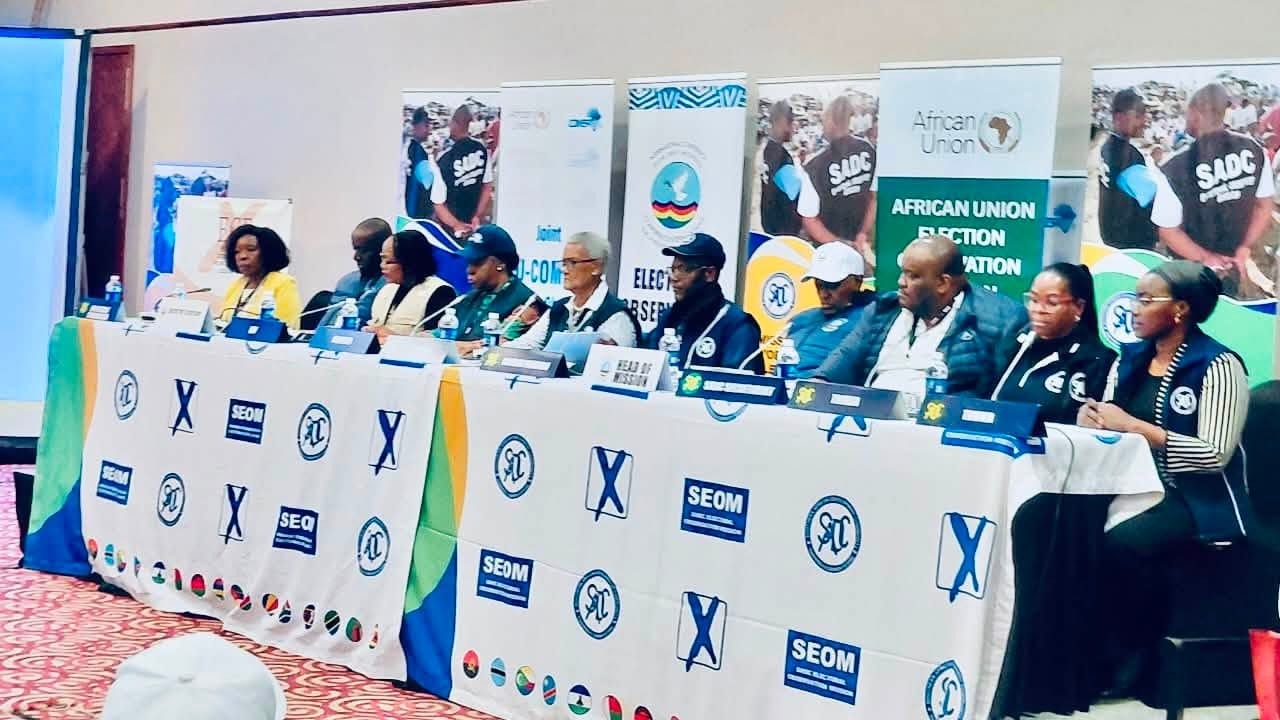
Four international and regional election observation missions have released preliminary statements on Zambia's 13 August general election, broadly describing the vote itself as peaceful while expressing pointed concern over the temporary suspension of results counting and announcement on 14 August, and calling on all sides to remain calm as the Electoral Commission of Zambia completes the process.
The statements were presented in Lusaka by Samuel Tembenu, Head of the SADC Electoral Observation Mission (SEOM); Ambassador Marie-Pierre Lloyd, Deputy Head of the Joint African Union-COMESA Election Observation Mission; former Botswana President Mokgweetsi Masisi, Head of the ICGLR Election Observation Mission; and Justice Annabel Mtalimanja, Head of the Electoral Commissions Forum (ECF) Mission.
What The Missions Saw On Election Day
SEOM, which deployed 106 observers from ten SADC member states and visited 277 of Zambia's 13,529 polling stations, said the political environment in most areas was peaceful and an improvement on 2021, finding a calm atmosphere at 275 of the 277 stations it observed. It flagged several concerns for follow-up, including the absence of dedicated legislation governing political party funding and accountability, the timing of recent electoral reforms, aspects of the new Mixed Member Proportional Representation system, media freedom, the secrecy of the ballot, and electoral violence, recommending Zambia prioritise political party legislation and strengthen participation by women, youth and persons with disabilities.
The Joint AU-COMESA Mission, with 93 observers from 27 African countries, 52 percent of them women, visited 740 polling stations across eight provinces and described voting as generally peaceful and orderly in the large majority of stations visited. It commended government's full funding of the election and the new mixed electoral system, but raised concerns over late reforms, the lack of political party legislation, incidents of violence, media freedom, women's representation, and congestion and delays at some polling stations.
The ICGLR Mission, comprising close to 100 observers, assessed the process it observed as transparent, fair, legal and peaceful overall, and noted accommodations for elderly, pregnant and disabled voters and generally professional conduct by security personnel. It raised one specific technical concern: the recording of unique voter numbers on ballot papers, which it said carried implications for ballot secrecy.
The ECF Mission, with 40 observers from 11 member electoral commissions deployed to five provinces, reported no widespread intimidation or major disruption to polling, though it noted delays and inadequacies in the delivery of some electoral materials.
Concern Over The Suspension
All four missions addressed the suspension of vote counting that MUVI reported on 14 August. SEOM said the episode had caused "uncertainty and anxiety," and, following the resumption of counting later that evening, urged all contestants and stakeholders to remain calm, avoid violence or interference with electoral officials and materials, and pursue any grievances through established legal channels rather than outside them.
The ICGLR Mission disclosed that as tensions rose, heads of the international observation missions jointly engaged directly with senior political actors on both sides through what it called preventive diplomacy, calling on the ruling party and the main opposition alike to de-escalate, refrain from premature declarations and inflammatory language, and respect the rule of law. Dr Masisi said the mission heads were subsequently briefed by the ECZ on the reasons for the suspension and the steps being taken to secure ballots and resume the process.
The AU-COMESA Mission was similarly direct, stressing that "the integrity of results management depends on adherence to the law, transparent communication by the ECZ and restraint by political actors from making premature declarations," and underscoring that only the ECZ is authorised to announce official results.
The ECF Mission has extended its leadership team's stay in Zambia until 19 August to continue observing the results process and providing what it described as peer support to the ECZ.
What Comes Next
All four missions said their preliminary findings would be followed by more detailed final reports once the electoral process concludes; SEOM said its own Final Report would be issued within 30 days of Wednesday's preliminary statement, in line with the SADC Principles and Guidelines Governing Democratic Elections. As of this report, the Electoral Commission of Zambia has not announced final results for the 13 August election.
Stay with MUVI
Follow our reporting wherever you are