
The Infection That Hides in Plain Sight: What Every Pregnant Woman in Zambia Should Know About UTIs
·August 29, 2026
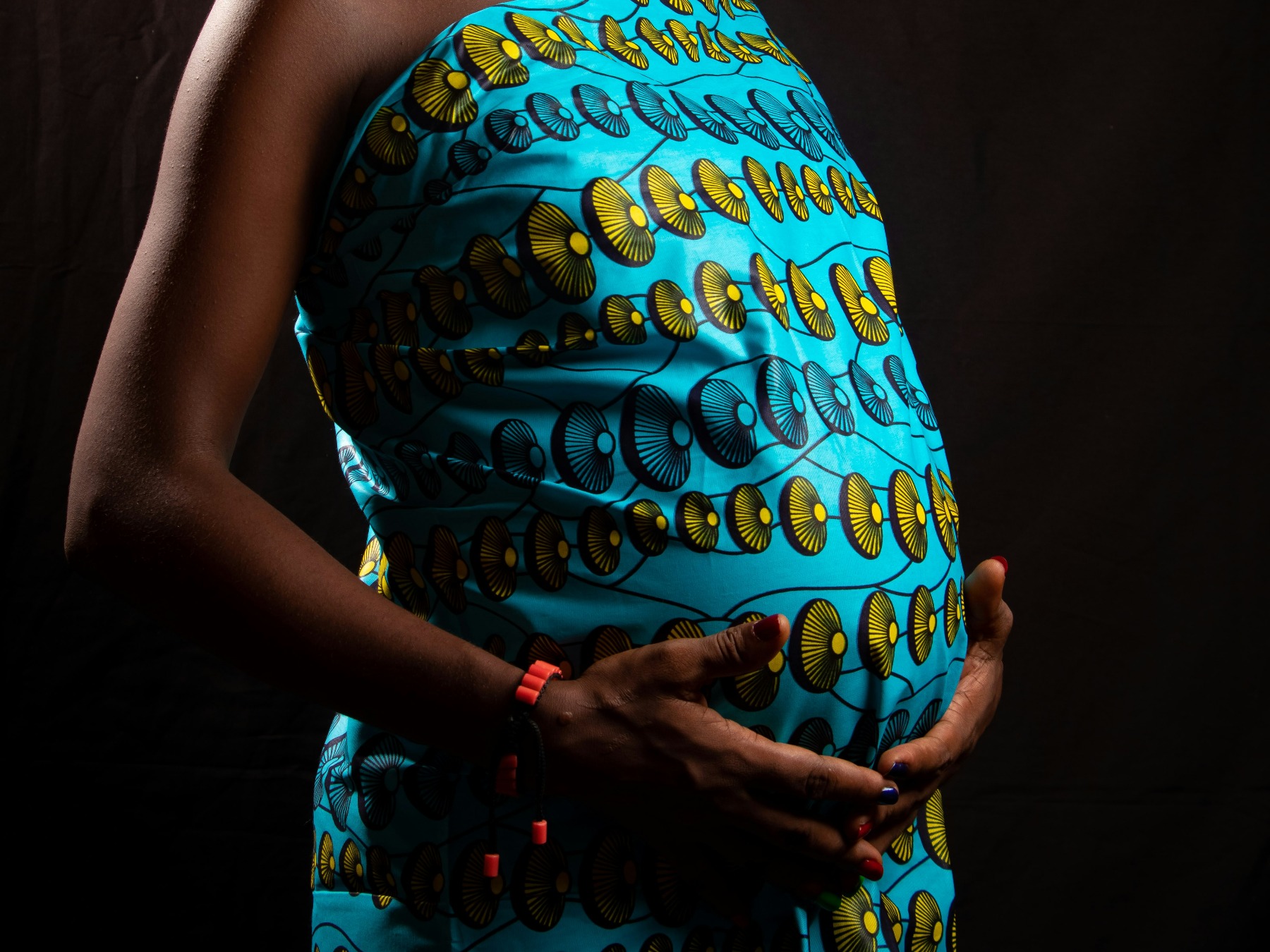
At a hospital in Lusaka, researchers screening pregnant women for urinary tract infections found something striking: six in ten of the women they tested for a suspected UTI actually had one. That figure, 60 percent, from a study at Levy Mwanawasa University Teaching Hospital, sits well above global estimates, and it points to a health issue that Dr Hajeka Jacob, a Junior Resident Medical Officer at Chifubu Level 2 Hospital, says quietly touches far more pregnancies in Zambia than most expectant mothers realise.
"A UTI is basically an infection in the urinary tract," Dr Jacob explains. "We're just talking about infections occurring where urine passes, most commonly in the bladder."
WHY PREGNANCY ITSELF INVITES THE INFECTION
What makes pregnancy specifically a period of elevated risk comes down to basic anatomy and physiology, according to Dr Jacob. "During pregnancy, as the pregnancy is growing, there is a tendency of the fetus, which is growing, causing obstruction in the urinary flow as the head or the presenting part compresses on the bladder," he says. "That causes a pocket in the bladder where urine tends to be stasis there, and that sets a favourable environment for bacteria to grow."
Pregnancy hormones compound the problem. "When you're pregnant, your body tends to relax," Dr Jacob says. "Because of relaxation, there is that tendency of the bladder muscles as well to support this forming of the pocket." Bacteria thrive in stagnant urine, so the combination leaves pregnant women structurally more vulnerable to infection than they would otherwise be.
The scale of that vulnerability in Zambia specifically has been documented in more than one hospital-based study. Beyond the 60 percent figure recorded among symptomatic women referred for testing at LMUTH, a separate study of HIV-positive pregnant women at Lusaka's Women and Newborn Hospital found a UTI prevalence of 16.5 percent, notably higher than many global estimates, which typically place overall prevalence, symptomatic and asymptomatic combined, somewhere between 10 and 20 percent of pregnancies. Zambian research has also flagged a knowledge gap that compounds the risk: a study among mothers attending antenatal clinics in Ndola found only 17.6 percent had good knowledge of UTIs and how to prevent them, while one in five had poor knowledge.
WHAT TO WATCH FOR, AND WHY SPEED MATTERS
Because the infection sits so close to where the baby is developing, the warning signs are not symptoms to wait out. "You might be experiencing pain when urinating, a burning sensation when you are urinating, as well as a sense of incomplete voiding," Dr Jacob says. "Those are what would be on the peak when you're thinking of a UTI."
Left untreated, a UTI in pregnancy carries real risk to the pregnancy itself. "If this infection sets in when the baby is very small, that is in the first trimester, you stand a chance of experiencing a miscarriage," Dr Jacob says. "When it occurs later on in the pregnancy, the same infection can also cause you to go into early labour at a point where your baby is not fully assured." Research from Ghana and elsewhere in the region has linked untreated maternal UTIs to a wider list of complications, including low birth weight, stillbirth, maternal anaemia and kidney infection, underscoring why obstetric guidance treats this as a condition requiring prompt attention rather than a minor inconvenience of pregnancy.
The reassuring part, Dr Jacob stresses, is that a UTI caught early is straightforward to treat at any health facility. "I don't want you to get worried because this is something that we can manage when it's early," he says. That is precisely why routine urine testing is built into standard antenatal care, and why the timing of a woman's first antenatal visit matters as much as attending one at all. "This also reminds us that we should be doing antenatal bookings as early as possible when we find out that we are pregnant," Dr Jacob says, "because during your antenatal visits, tests for your urine will be done where such an infection can be picked, and this reduces your chances of experiencing the adverse effects of such an infection."
Zambian antimicrobial resistance data adds a further reason not to self-medicate or delay: research at LMUTH found over half of UTI cases among pregnant women showed resistance to at least one commonly used antibiotic, meaning proper laboratory testing and a health worker's guidance matter more than guessing at treatment.
THE TAKEAWAY FOR EXPECTANT MOTHERS
"Whenever you are experiencing any of these symptoms, don't be scared of presenting them during your antenatal visits," Dr Jacob says. "Mothers out there in the community, I'm inviting you to be proactive about your health and take keen interest in doing your antenatal reviews."
Given how common, and how under-recognised, UTIs in pregnancy appear to be across Zambian hospitals, Dr Jacob is urging expectant mothers, and the family members around them, to treat early antenatal booking and honest reporting of symptoms as one of the simplest, most effective ways to protect both mother and baby through pregnancy.
This article is for general information purposes only and does not constitute medical advice. If you are pregnant and experiencing any of the symptoms described above, or have any other health concerns, please consult your doctor or a qualified healthcare practitioner.
Stay with MUVI
Follow our reporting wherever you are