
The People Around Us May Be Struggling More Than We Know
·September 9, 2026
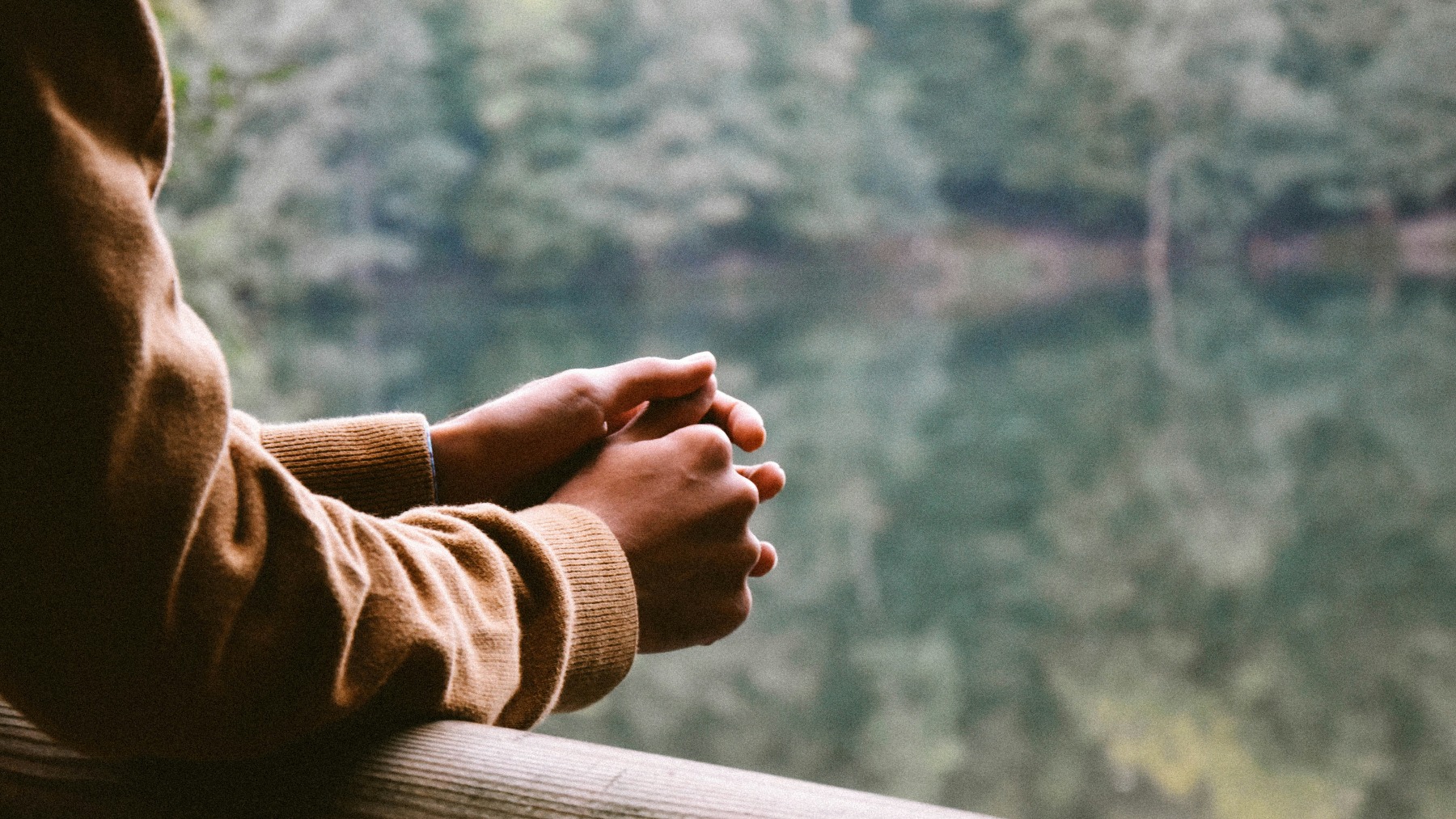
Someone can go to work, laugh with friends, respond to messages and appear completely fine — while privately struggling with thoughts of suicide.
Ahead of World Suicide Prevention Day on September 10, Caritas Zambia is urging Zambians to pay closer attention to the mental wellbeing of the people around them and help break the silence that continues to surround suicide and mental health.
The organisation says simply checking in on a friend, colleague or family member can be an important starting point, particularly when someone is going through trauma, loss or significant life pressures.
For refugees and displaced people, those pressures can be particularly complex.
Leaving behind a home, community or familiar way of life can come with trauma, uncertainty and emotional distress that may not always be visible to those providing humanitarian assistance.
It is against this background that Caritas Zambia, working with REPSSI Zambia, is training staff serving refugee settlements and surrounding host communities in mental health and psychosocial support.
The training covers psychosocial counselling, trauma care, suicide prevention and case management, with the aim of helping frontline workers and community leaders better recognise and respond to people experiencing emotional distress.
Caritas Zambia says humanitarian support cannot only be about providing someone's physical needs.
Mental wellbeing matters too.
“Every life is precious,” the organisation says, calling on communities to check on loved ones, support people who may be struggling quietly and challenge the stigma that sometimes prevents people from seeking help.
And perhaps that is an important message as the world marks Suicide Prevention Day:
Not everyone who is struggling will tell you. Not everyone who needs help will look like they need it.
Sometimes the first step is simply asking:
“Are you okay?” — and staying long enough to hear the real answer.
The initiative forms part of the Gender-Specific Strengthening Psychosocial Support for Children and Young People Project, supported by Terre des Hommes Africa and Terre des Hommes Germany Southern Africa Region.
Stay with MUVI
Follow our reporting wherever you are