
Treason in Zambia, Explained: What It Means, and What It Could Mean for Mundubile and Zulu
·August 28, 2026
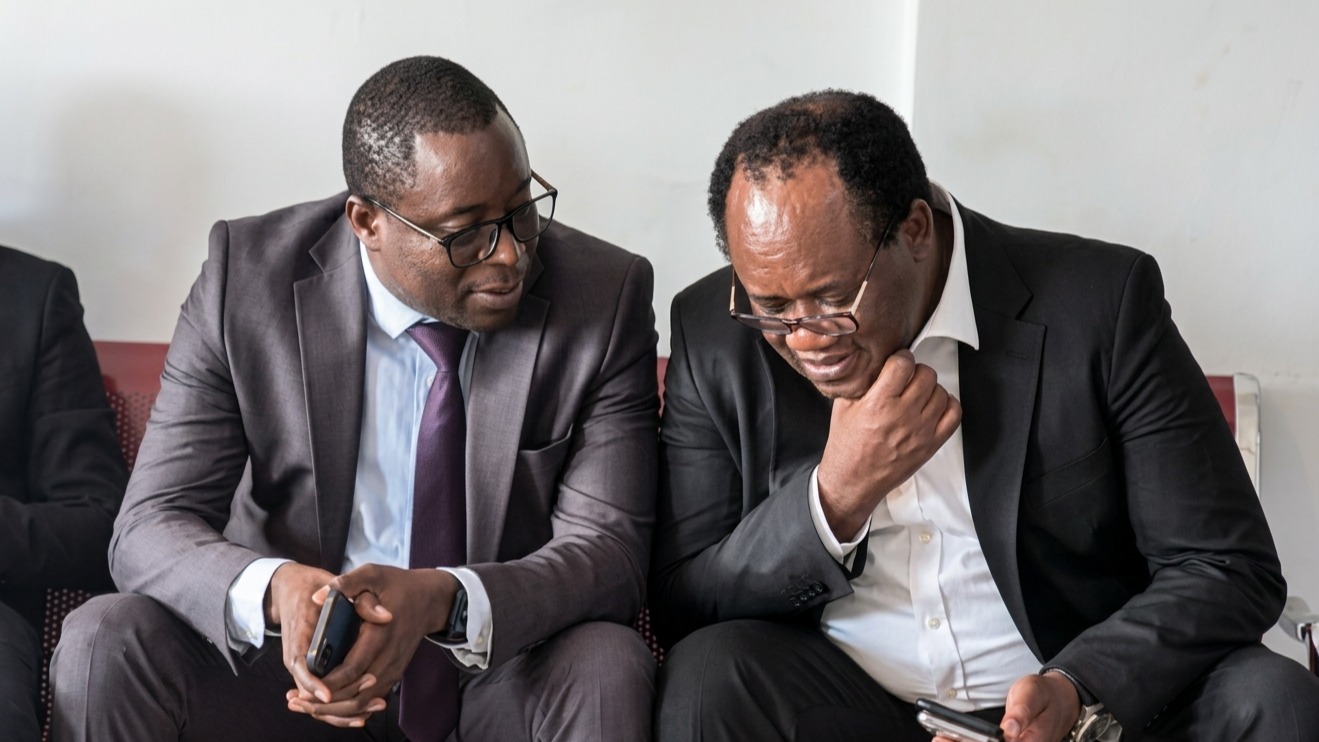
With police confirming that Brian Mundubile and Makebi Zulu are now in custody after warn and caution statements were recorded against them for an alleged offence of treason, MUVI reported that development, many Zambians are asking the same basic questions: what actually counts as treason under Zambian law, can a person charged with it get bail, and what happens if they are convicted? Here is a straightforward breakdown.
WHAT COUNTS AS TREASON
Treason is defined under Section 43 of Zambia's Penal Code, Chapter 87, the same provision cited in Wednesday's police statement. Rather than a single definition, the law lists the specific acts that qualify: using or attempting to use force to overthrow the government, to undermine the constitutional authority of the executive, to alter the law or government policy by force, to bring about the secession of part of Zambia, or to assist an enemy state.
In practice, this means treason is not about criticising government, opposing a president, or even losing an election and disputing the result through legal or political means, none of that meets the legal threshold. What the law is aimed at is the use, or attempted use, of force or violent conspiracy against the state itself.
CAN SOMEONE CHARGED WITH TREASON GET BAIL?
No. This is one of the two features that make treason unlike almost any other criminal charge in Zambia. It is non-bailable, meaning a person charged cannot be released on bail while the case is investigated and tried, however long that process takes.
The second distinguishing feature is jurisdiction: treason can only be tried in the High Court. Magistrates' courts, where the large majority of Zambian criminal cases begin and are often resolved, have no power to hear a treason case at all. That combination, no bail, High Court only, means anyone charged with treason should expect to remain in custody for the duration of what is typically a lengthy legal process.
IS IT A DEATH PENALTY OR LIFE IMPRISONMENT?
For most of Zambia's history since independence, a treason conviction carried a mandatory death sentence, a position the courts affirmed as recently as the 1976 case of Muyangwa and Others v The People.
That changed in December 2022, when Parliament passed the Penal Code (Amendment) Act No. 23 of 2022, replacing the mandatory death penalty for treason with mandatory life imprisonment, as part of a broader package that saw Zambia formally abolish capital punishment altogether. So the honest answer is if convicted today, a person found guilty of treason in Zambia faces mandatory life imprisonment, not execution, a materially different legal landscape than existed even a decade ago.
WHAT HAPPENS BETWEEN A CAUTION STATEMENT AND A TRIAL
A "warn and caution" statement, the specific step police confirmed had been taken with Mundubile and Zulu, is recorded once investigators have formed a reasonable suspicion that a person has committed the offence under investigation.
It formally puts the suspect on notice of the allegation before any further statement is taken, and is a standard step in Zambian criminal procedure, it is not, on its own, a conviction, a formal charge before a court, or proof of guilt. From there, the case would ordinarily proceed to formal charging, committal to the High Court, and trial, a process that, given treason's non-bailable status, keeps the accused in custody throughout.
WHAT HISTORY SUGGESTS ABOUT HOW THESE CASES END
Zambia has been here before, more than once, and the outcomes have varied sharply. In 1996, ahead of that year's election, eight senior opposition UNIP officials, including the party's Vice-President, Senior Chief Inyambo Yeta, were charged with treason and murder. The case collapsed months later when the High Court found there was "no case to answer," and all were released.
In April 2017, then-opposition leader Hakainde Hichilema, now the sitting president, was himself arrested and charged with treason after a motorcade dispute with then-President Edgar Lungu's convoy. He spent four months in custody, denied bail as the law required, before the Director of Public Prosecutions discharged the case in August 2017 under a deal brokered by the Commonwealth Secretary-General. Neither case ended in a conviction; both ended in the accused walking free, one through a court finding of insufficient evidence, the other through a negotiated political resolution rather than a trial verdict.
WHAT IT MEANS FOR THIS CASE
Mundubile and Zulu now join eleven other people already facing treason-related charges connected to the 14 August security operation at a Kabulonga residence, in which former Lunte MP Mutotwe Kafwaya was fatally wounded.
Whatever the eventual outcome, the practical reality of a treason investigation is now in effect for both men: they can expect to remain in custody without bail while the case proceeds, the matter will be handled exclusively by the High Court rather than a lower court, and, if it ever reaches a conviction, the maximum penalty they would face is life imprisonment rather than the death sentence such a conviction would once have carried.
Stay with MUVI
Follow our reporting wherever you are