Crime & Courts
Two Statements, One Day: Why Is the Permanent Secretary Contradicting the Inspector General?
By Muvi TV News Desk·August 6, 2026
On the same day, two of Zambia's most senior communicators on law and order offered strikingly different accounts of the political violence gripping the country ahead of the 13 August election, raising the question of which version government actually stands behind.
Inspector General of Police Graphel Musamba issued a formal statement on 6 August condemning violence recorded in Shibuyunji, Livingstone and Luampa districts, and confirming he had ordered a comprehensive review of the police's own crowd control operation in Mongu and Kalabo the previous day, where tear smoke was discharged during a Tonse Pamodzi Alliance rally.
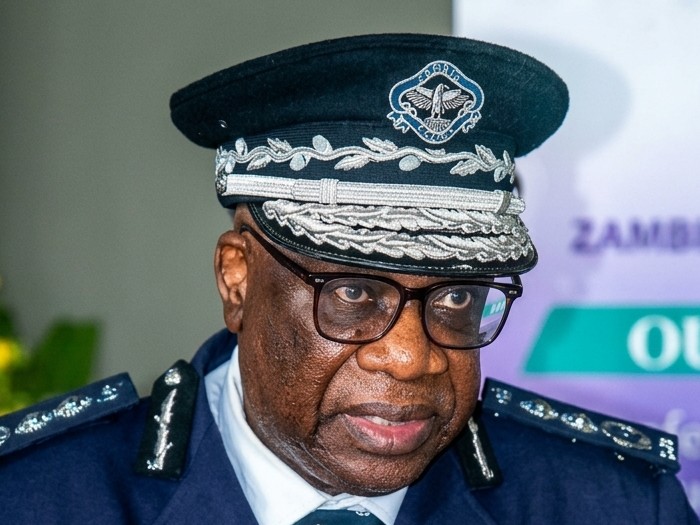
Musamba's language was carefully even-handed. He said the police "fully associate" themselves with President Hichilema's position that violence, intimidation or lawlessness "by any political party, candidate or supporter" will not be tolerated, and stressed that "no individual should imagine that political affiliation provides immunity from criminal prosecution."
Crucially, he committed to establishing "whether the operation was conducted in accordance with the legal provisions governing public order management and the professional standards expected of the Zambia Police Service," a review whose outcome, by definition, was not yet known when he wrote it. He also moved to knock down circulating claims that someone had died during the Mongu incident, calling them false.
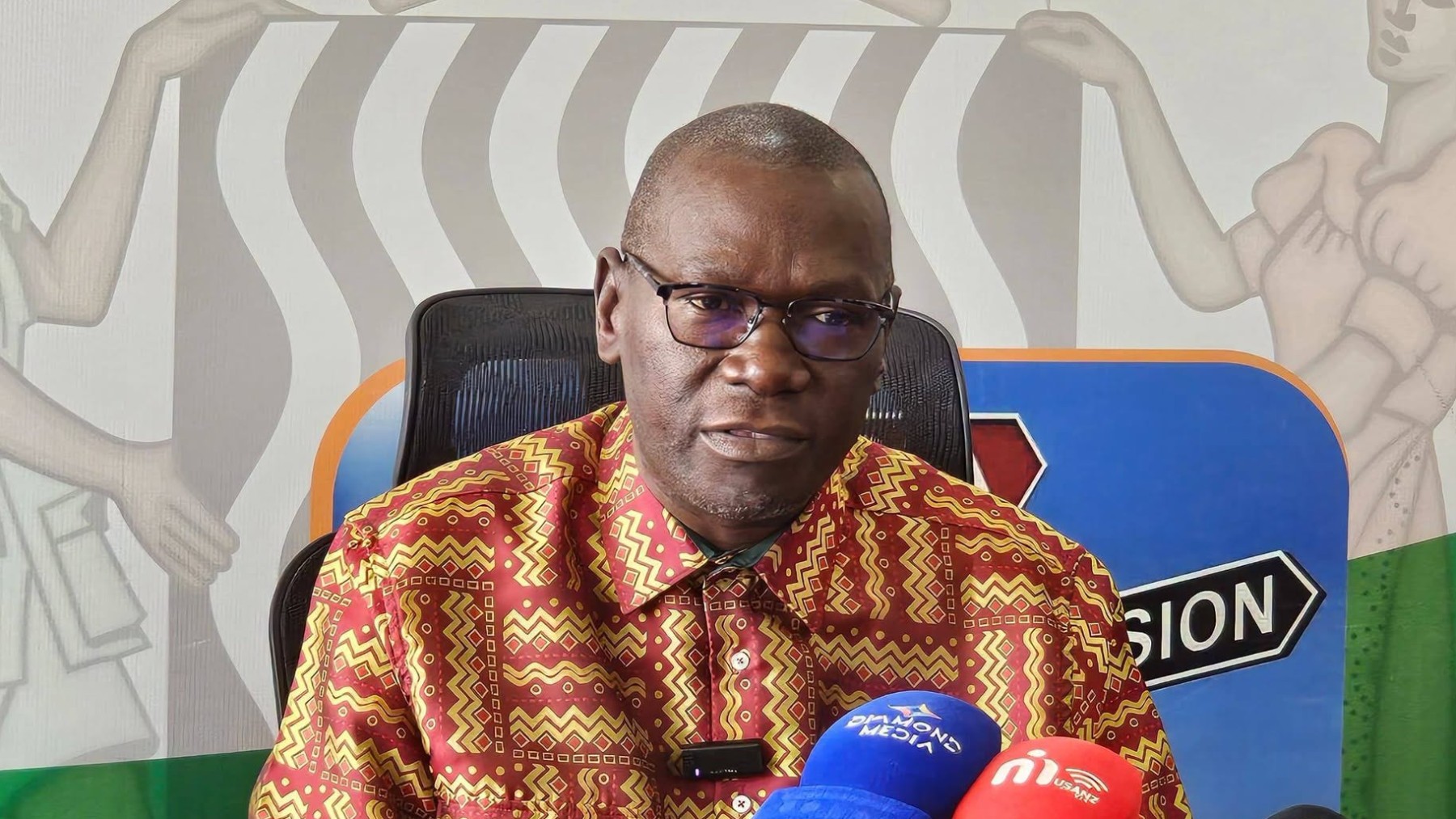
Permanent Secretary for Information and Media Thabo Kawana, speaking at a press briefing the same day, offered a very different account. Rather than treating the violence as an open question requiring investigation, Kawana asserted as settled fact that the incidents in Western, North-Western and Southern Provinces are the product of a coordinated plot by unnamed "political players" designed specifically to provoke a police response and pin blame on the ruling UPND.
"These sporadic violence incidents that you are seeing are orchestrated," he said. "They are planned, they are practised, they are rehearsed, and they are implemented." He went further, alleging that some individuals had deliberately worn UPND regalia while causing disorder "so that then the ruling party is blamed," and closed by describing those responsible as "violent characters, unrepentant, and will never change."
The tension between the two statements is not about the underlying facts of who did what, both officials describe an unstable, violent campaign period, and both were still confirming details. It lies in posture. The Inspector General's statement is structured around uncertainty: a review has been ordered precisely because the circumstances of the Mongu operation are not yet established, and his language studiously avoids attributing blame to any single political side, going out of its way to state that political affiliation will not shield anyone from prosecution.
Kawana's statement is structured around certainty: it names no suspects and offers no evidence, but asserts a specific, deliberate plot, attributed implicitly to Hichilema's political opponents, as already proven.
That gap matters practically as well as rhetorically. If the police's own review into the Mongu tear-gassing operation is to be credible, and to be seen by all sides as impartial, it needs space to conclude, in principle, that police conduct fell short of professional standards, an outcome the Inspector General's own statement leaves open.
A government spokesperson publicly declaring, on the very same day, that the violence triggering that operation was an opposition plot to entrap police risks pre-judging the review's outcome before it has even begun, and undercuts the neutral framing the Inspector General worked to establish.
Stay with MUVI
Follow our reporting wherever you are