Health
What We Know About Zambia’s Anthrax Outbreak
By Muvi TV News Desk·September 15, 2026
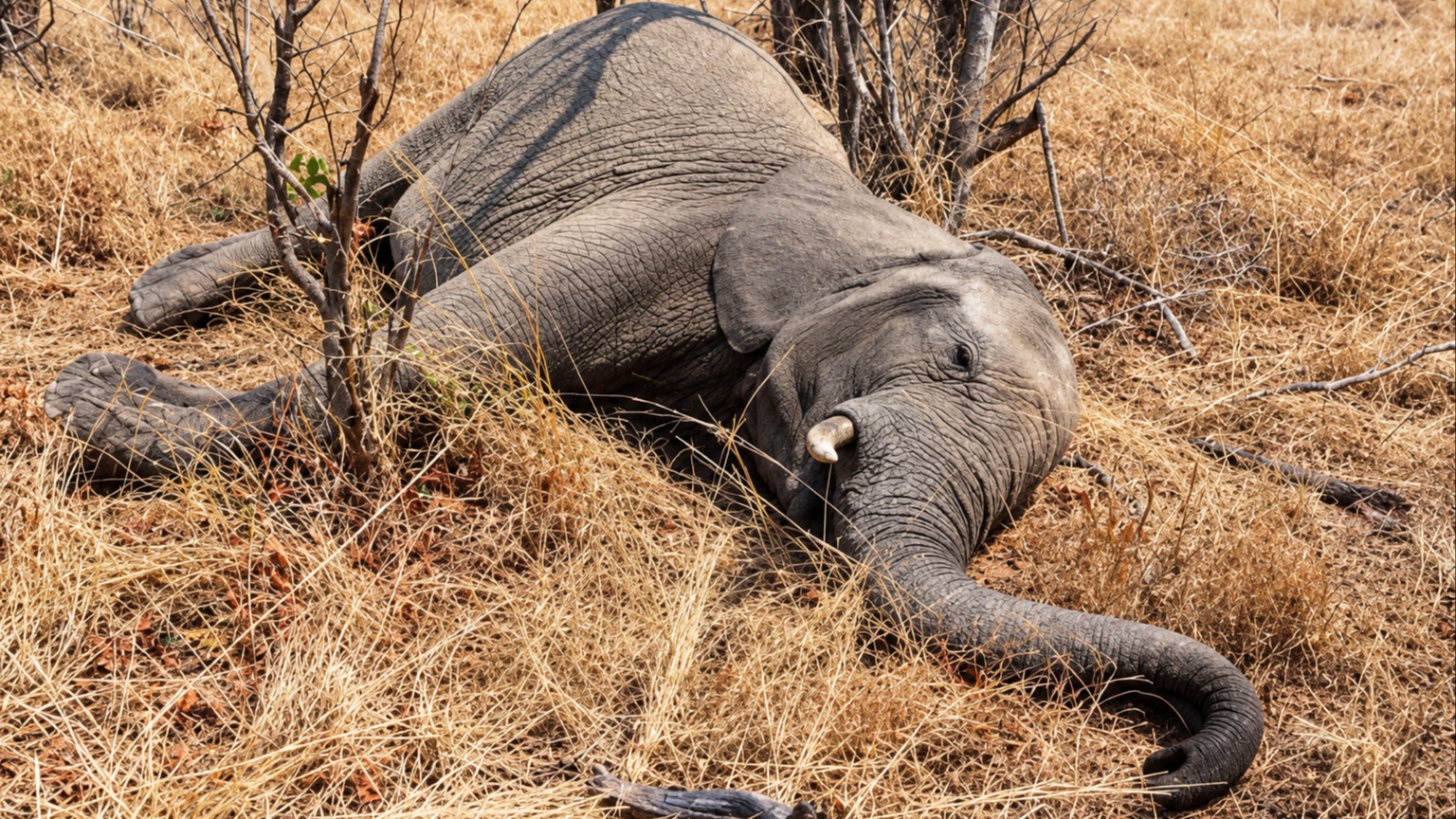
Zambian authorities are responding to a confirmed anthrax outbreak in Muchinga Province that has killed dozens of wild animals and infected at least 12 people after some residents reportedly consumed meat from infected carcasses.
The outbreak is centred around the Munyamadzi Game Management Area in Mpika District, where authorities have recorded the deaths of at least 60 wild animals, including 46 hippos, eight elephants, five buffaloes and a crocodile.
At least 12 people have contracted anthrax after consuming meat from infected wildlife, according to government officials. All are receiving treatment and no human deaths have so far been reported.
Authorities had initially reported a suspected outbreak after unusual wildlife deaths and suspected human infections were recorded around Mpika and neighbouring areas. Laboratory investigations subsequently confirmed anthrax.
The discovery has prompted authorities to increase surveillance, restrict hunting in the affected area and establish measures aimed at preventing potentially contaminated meat from being transported to other communities.
The outbreak is particularly concerning because anthrax can remain in the environment for years.
The disease is caused by Bacillus anthracis, a bacterium that produces highly resistant spores capable of surviving in soil for decades. Wild and domestic animals can become infected while grazing or coming into contact with contaminated environments.
Humans are most commonly infected through contact with infected animals or their products, including when handling, butchering or eating contaminated meat. Anthrax does not normally spread from person to person.
Zambia has experienced significant anthrax outbreaks before.
In 2023, an outbreak that began in Southern Province eventually spread across much of the country. The World Health Organization recorded hundreds of suspected human infections and several deaths, making it one of Zambia's most extensive documented anthrax outbreaks.
That experience is one reason health and veterinary authorities are moving to contain the current outbreak before contaminated meat or infected animals create additional chains of exposure.
For communities, the most important warning is simple: people should not eat, butcher, sell or transport meat from animals found dead or whose cause of death is unknown.
People who have recently handled or eaten meat from an animal that died unexpectedly and develop unusual skin sores, fever, severe abdominal pain, vomiting or diarrhoea should seek medical attention and inform health workers about the possible exposure.
Anthrax can be serious and potentially fatal, but it can be successfully treated with antibiotics, particularly when detected early.
For now, the outbreak remains considerably smaller than Zambia's 2023 epidemic. But with infections already having crossed from wildlife into humans, authorities face a race to prevent contaminated meat and animal carcasses from carrying the disease beyond the affected communities.
Stay with MUVI
Follow our reporting wherever you are