
What Zambia's Numbers Say About Gender-Based Violence
·August 28, 2026
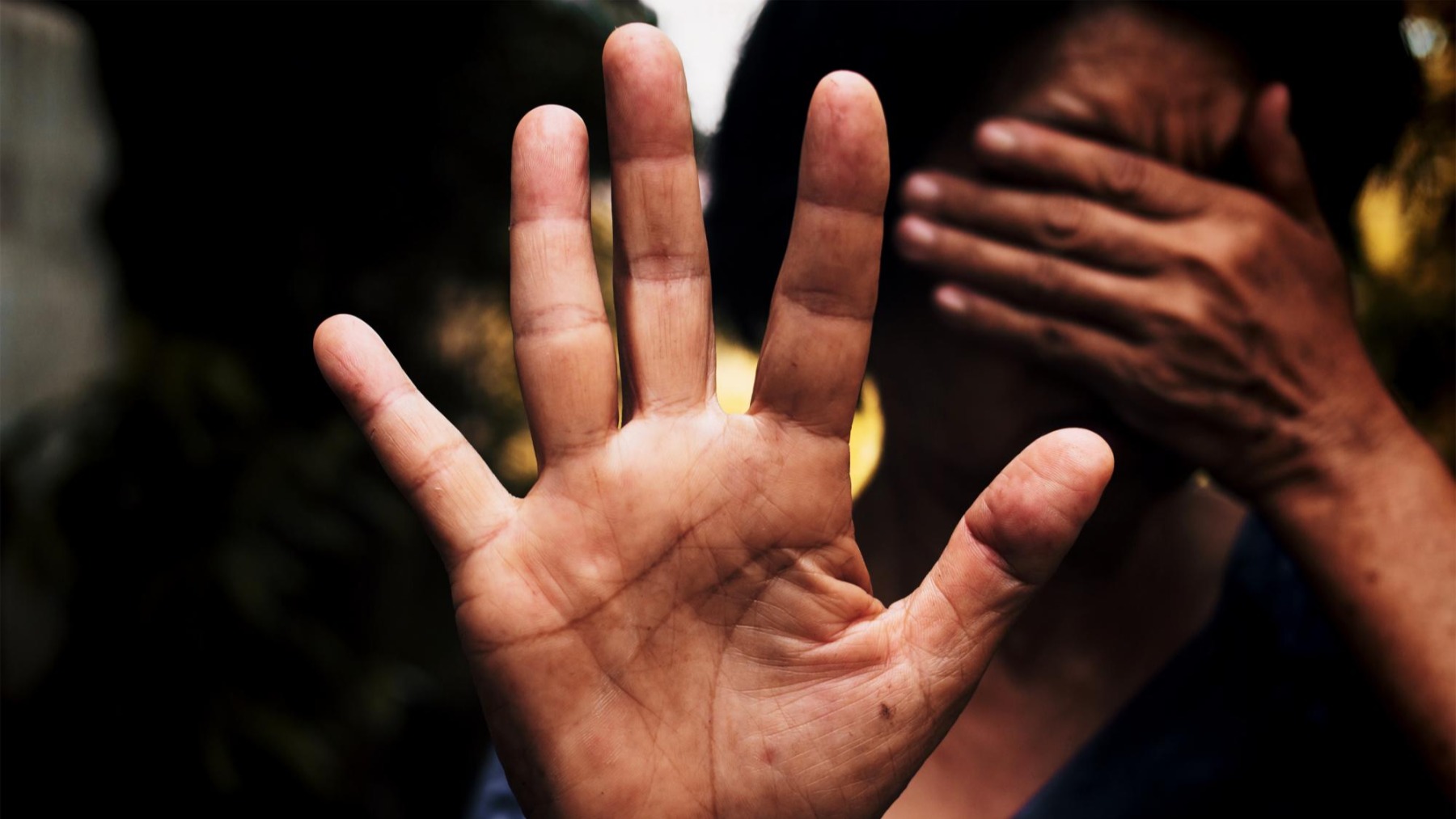
A video circulating on social media this week, showing a man violently assaulting a woman identified as his wife, has reignited public conversation in Zambia about gender-based violence and femicide, the killing of women and girls because of their gender.
MUVI is not detailing the specific video, since its full circumstances have not been independently verified, but the reaction to it reflects something the country's own data confirms: this is not a rare or isolated problem.
HOW COMMON IS THIS, REALLY?
Zambia recorded 10,231 cases of gender-based violence nationwide in the first quarter of 2026 alone, January to March, according to Zambia Police Service statistics, 6,879 of them criminal cases and 3,352 non-criminal. That figure was actually down 8.5 percent from the 11,177 cases recorded in the same period the year before, a decline police attributed to ongoing prevention and awareness efforts, but one troubling trend moved in the opposite direction. 2,586 of those cases involved child victims, up from 2,474 a year earlier, the large majority of them girls. Lusaka Province recorded the highest share of criminal cases, 1,677, or roughly a quarter of the national total, followed by Copperbelt, Western and Luapula provinces.
Those quarterly police figures likely undercount the true scale of the problem, since GBV is widely under-reported everywhere, including Zambia. Longer-run national survey data paints a starker picture: more than a third, 36 percent, of Zambian women have experienced physical violence since the age of 15, one in five women and girls have suffered sexual abuse before turning 18, and 17 percent of women report having experienced sexual violence at some point in their lives. Nearly half of Zambians, 48 percent, say violence against women and girls is "somewhat" or "very" common in their own communities, according to Afrobarometer survey data, even as 72 percent say it is never justified for a man to use physical force against his wife.
Perhaps most revealing is what happens after abuse is reported. More than half of Zambians, 54 percent, believe a woman who reports being a victim of GBV is likely to face criticism, harassment or shaming from her own community, a barrier that helps explain why so much abuse goes unreported in the first place, even though a solid majority, 73 percent, say they believe police are likely to take GBV cases seriously when they are reported.
WHEN VIOLENCE BECOMES FEMICIDE
The word femicide describes the most extreme endpoint of gender-based violence: women and girls killed specifically because of their gender, most often by an intimate partner or family member. UN Women estimates that roughly 50,000 women were killed by a partner or family member worldwide in 2024, the most recent year for which global data exists, and that Africa recorded the highest number of any region, an estimated 22,600 victims, more than Asia, the Americas, Europe and Oceania combined. That regional context matters for Zambia specifically: femicide is not a foreign problem imported through a viral clip, it is the outcome that sits at the far end of the same pattern of physical violence the country's own police statistics document every quarter.
WHAT TO DO IF YOU, OR SOMEONE YOU KNOW, IS EXPERIENCING THIS
Zambia does have a formal response system, even if too few people know how to reach it. The Zambia Police Service's Victim Support Unit exists specifically to receive GBV reports, investigate them, and support survivors through prosecution in the country's dedicated GBV Fast Track Courts; in the first quarter of 2026 alone, the Unit provided counselling to 8,943 individuals.
Survivors, or anyone concerned about someone else's safety, can report directly to their nearest police station's Victim Support Unit desk. The YWCA Zambia Helpline also offers counselling specifically for women experiencing GBV and sexual assault, reachable on +260 211 255 204, and Zambia's Gender Division operates a National GBV Call Centre for confidential reporting and referral. Anyone in immediate physical danger should treat it as an emergency and seek help from the nearest police station without delay.
Advocates in Zambia and researchers who study the problem point to the same underlying drivers repeatedly, economic dependence that makes leaving an abusive relationship financially frightening, power imbalances between men and women embedded in social norms, and a degree of social tolerance that still treats domestic violence as a private, family matter rather than a crime. Changing those numbers, researchers argue, depends less on any single viral video prompting outrage for a week, and more on whether survivors trust that reporting will actually be safe, taken seriously, and free of the shame more than half of Zambians say still surrounds it.
Stay with MUVI
Follow our reporting wherever you are