
Health
When Period Pain Becomes Unbearable, It Could Be More Than Just Cramps
·November 2, 2026
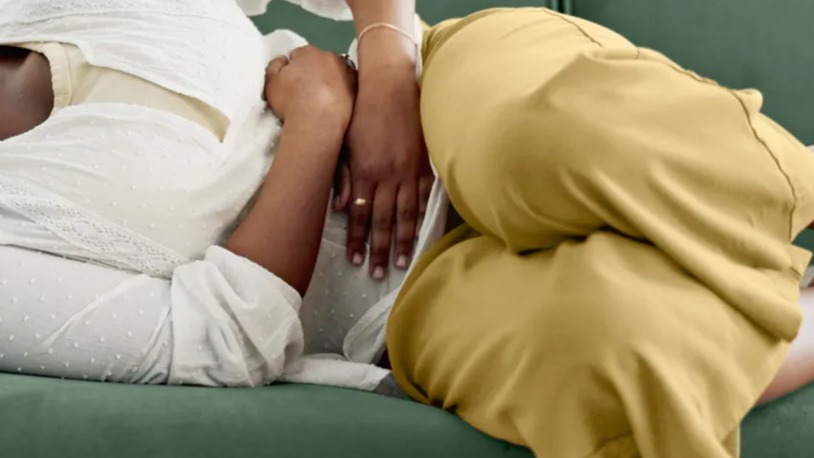
For millions of women, menstruation comes with pain. But when cramps become so severe that getting out of bed, going to work or attending school feels impossible, the suffering should not be brushed aside as simply part of being a woman.
Every month, some women quietly rearrange their lives around their periods. They cancel plans, miss work, stay away from school, endure sleepless nights and reach for painkillers just to get through the day. Others experience pain so intense that they vomit, faint or struggle to stand upright.
Yet, too often, the response is familiar: periods are painful, it is normal, and women simply have to endure them.
But there is an important distinction between the discomfort that can accompany menstruation and pain that repeatedly takes over someone's life. Severe menstrual pain is not something women should automatically be expected to tolerate. In some cases, it may be a sign of an underlying gynaecological condition that needs medical attention.
The issue is not that every painful period signals disease. Many women experience primary dysmenorrhoea — menstrual cramps that occur without an identifiable pelvic disorder. These cramps are commonly linked to prostaglandins, chemicals that cause the uterus to contract as it sheds its lining. The contractions can produce pain in the lower abdomen and back, sometimes accompanied by nausea, diarrhoea or headaches.
However, when pain is unusually severe, progressively worsens, persists beyond menstruation or does not respond to usual treatment, doctors may need to investigate whether something else is happening.
One condition that deserves particular attention is endometriosis.
Endometriosis: When menstrual pain signals something deeper
Endometriosis is a chronic condition in which tissue similar to the lining of the uterus grows outside the womb. These growths can trigger inflammation, pain and scar tissue, commonly affecting areas within the pelvis.
The World Health Organization estimates that endometriosis affects around one in ten women of reproductive age worldwide — approximately 190 million people.
Its symptoms vary. Some women experience severe pain during menstruation, while others have pelvic pain throughout the month. It can also cause heavy bleeding, painful sexual intercourse, pain during bowel movements or urination, bloating and, in some cases, difficulties becoming pregnant.
For women living with the condition, the impact can extend far beyond a few difficult days each month. Persistent pain can interfere with relationships, education, employment, mental health and everyday activities.
One of the challenges is that the severity of pain does not always reflect the extent of the disease. Some women with significant endometriosis may have relatively few symptoms, while others experience debilitating pain. This makes it particularly important that symptoms are assessed rather than judged by how a person appears or how much pain others assume she should be able to withstand.
Diagnosis can also take years. WHO reports that the average time between the onset of symptoms and diagnosis is estimated at four to 12 years. During that period, some women may make repeated visits to health facilities without getting a clear explanation for their suffering.
Endometriosis is not the only possible cause
Although endometriosis is a major concern, it is not the only condition that can cause severe menstrual pain.
Adenomyosis occurs when tissue similar to the lining of the uterus grows into the muscular wall of the womb. It can cause painful periods, heavy bleeding, pelvic discomfort and a feeling of pressure or bloating.
Uterine fibroids — non-cancerous growths in or around the womb — can also contribute to heavy or painful periods, pelvic pressure and other symptoms. The effects depend on their size and location.
Pelvic inflammatory disease, an infection involving the female reproductive organs, may cause lower abdominal pain, unusual vaginal discharge, fever, pain during sex and bleeding between periods. Ovarian cysts can also cause pelvic pain, and a cyst that ruptures or twists may lead to sudden, severe pain requiring urgent medical attention.
These conditions are different and require different approaches to diagnosis and treatment. That is why repeatedly treating severe pain without investigating its possible cause can leave an underlying problem unrecognised.
Why are women's pain experiences so often dismissed?
The medical challenge is only part of the story. There is also a wider social and healthcare problem: menstrual pain has long been normalised, and women's accounts of their symptoms are not always given the attention they deserve.
For generations, menstruation has been surrounded by silence, embarrassment and stigma. In some families and communities, girls grow up hearing that painful periods are simply a woman's burden. They may be encouraged to endure the discomfort rather than seek medical advice.
That thinking can follow women into adulthood. A woman who misses work because of severe cramps may be viewed as exaggerating. A teenager who repeatedly stays home from school may be told that painful periods are something she will eventually get used to. Even when women seek medical help, some report being reassured that their symptoms are normal without a thorough investigation.
Research examining the experiences of women with endometriosis has documented accounts of symptoms being trivialised or treated as an unavoidable part of womanhood. A systematic review of studies on barriers to timely diagnosis also identified menstrual stigma, the normalisation of pain, gaps in healthcare professionals' knowledge and delays in specialist referrals among the factors that can prolong diagnosis.
This does not mean every healthcare professional dismisses women's pain, or that every painful period has been overlooked. But the evidence points to a problem that deserves attention: when severe symptoms are routinely normalised, women may delay seeking care, and opportunities for earlier diagnosis can be missed.
Pain is subjective. A woman should not have to prove that she is suffering by collapsing, losing consciousness or being unable to function before her concerns are taken seriously.
## When should menstrual pain raise concern?
Not every cramp is a medical emergency, and mild to moderate period pain is common. However, women should consider seeking medical assessment when:
- Menstrual pain is severe enough to disrupt work, school, sleep or normal daily activities.
- Pain becomes progressively worse or periods become increasingly painful.
- Pain continues after menstruation or occurs at other times during the month.
- Periods are unusually heavy, prolonged or irregular.
- There is pain during or after sexual intercourse.
- Bowel movements or urination become painful, particularly around the time of menstruation.
- Painkillers or other usual treatments are not providing relief.
- There are difficulties becoming pregnant alongside other symptoms.
Sudden, severe pelvic pain — particularly when accompanied by fainting, dizziness, fever, vomiting or very heavy bleeding — needs urgent medical assessment. Severe pain or bleeding when pregnancy is possible should also be assessed promptly, as conditions such as an ectopic pregnancy can be life-threatening.
Getting answers: What women can do
A medical consultation is an important starting point for women experiencing persistent or debilitating menstrual pain. A healthcare professional may ask about the timing and severity of symptoms, bleeding patterns, family history and how the pain affects everyday life. Depending on the symptoms, an examination, ultrasound or other investigations may be recommended.
A normal ultrasound does not necessarily rule out endometriosis. Clinical guidelines recognise that some forms of the condition may not be visible on routine imaging, and further assessment or referral may still be appropriate when symptoms persist.
Keeping a record of menstrual dates, pain levels, bleeding, medication and other symptoms can also help women explain what they are experiencing and support discussions with a healthcare professional.
Treatment depends on the cause. Options may include anti-inflammatory pain medicines, hormonal treatments, other forms of pain management or surgery in selected cases. Endometriosis currently has no known cure, but symptoms can be managed, and treatment can improve quality of life.
Importantly, women should not be expected to diagnose themselves. The responsibility also lies with healthcare systems to listen carefully, investigate persistent symptoms and ensure that patients have access to appropriate care.
Pain should not be a monthly test of endurance
Menstruation is a normal biological process. Debilitating pain should not be treated as an inevitable part of it.
The fact that millions of women experience menstrual pain does not make severe suffering insignificant. Nor should the frequency of a symptom become a reason to stop asking what is causing it.
For a woman who has spent years being told to endure the pain, a proper assessment could be the first step towards an explanation, treatment and a better quality of life.
The message is simple: women deserve to be heard, their pain deserves to be taken seriously, and severe menstrual cramps should never be dismissed without considering whether there is something more behind them.
Stay with MUVI
Follow our reporting wherever you are