
Zambia Faces an Uncertain Rainy Season As El Nino Strengthens
·September 5, 2026
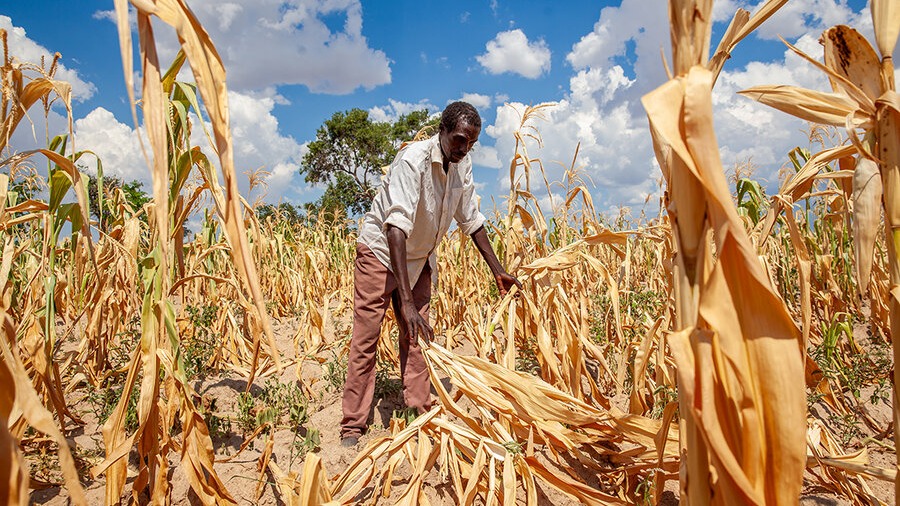
The rains may come. The bigger risk is whether they stay
For Zambia's farmers, the biggest problem this coming rainy season may not be a complete absence of rain.
It could be rain that arrives, stops and returns unpredictably.
Zambia is entering the 2026/27 agricultural season under the influence of El Niño, a climate pattern associated in Southern Africa with reduced rainfall, delayed onset and prolonged dry spells.
But El Niño does not mean Zambia will simply go without rain.
Heavy thunderstorms can still occur during an otherwise dry season. That combination of dry spells and sudden downpours could make the coming season particularly difficult for farmers trying to decide when to plant, fertilise and harvest.
The first rain may not be the rain farmers are waiting for
One of the most important periods will come at the beginning of the season.
An isolated thunderstorm in October or November may look like the start of the rains, but farmers need more than one good downpour to establish a crop.
They need rainfall that is sufficiently widespread and consistent.
If the first rains are followed by a long dry spell, newly planted crops can struggle to germinate or become stressed after emerging.
That makes the timing of the effective onset of the rains more important than simply recording the first rainfall of the season.
Southern Zambia faces the greatest concern
The risks are not expected to be evenly distributed across the country.
Southern and south-western Zambia are among the areas identified as being at greater risk of below-average rainfall and delayed rainfall onset.
Southern Province is particularly exposed because of its relatively dry climate and heavy dependence on seasonal rainfall.
Western Province also faces risks from late or erratic rainfall, while parts of Central and Lusaka provinces could experience rainfall variability and periods of high temperatures.
Parts of North-Western and Eastern provinces may also experience irregular rainfall, although their risks differ from those in the drier south and west.
Northern, Muchinga and Luapula provinces generally receive more rainfall and may not face the same level of drought risk, although interruptions within the rainy season remain possible.
Then comes the other problem, too much rain at once
A dry season does not necessarily mean a season without dangerous storms. A below-average seasonal rainfall total can still include episodes of intense rainfall.
For Zambia, that could mean farmers and communities having to deal with two very different hazards in the same season - prolonged dry spells and sudden heavy rainfall.
Heavy storms can cause flash flooding, soil erosion and damage to crops, roads and bridges. For farmers, that makes preparation more complicated. The same season that requires water conservation can also require protection against flooding.
Why the stakes are high
The consequences extend well beyond the farm.
Agriculture is expected to be among the sectors most vulnerable to reduced and erratic rainfall.
Poor rainfall can affect germination, crop development, maize production, pasture and livestock.
It can also reduce household incomes and contribute to higher food prices.
Water supplies could come under additional pressure if dams, streams and shallow wells receive less water, particularly in southern and western areas.
Electricity generation is another concern because Zambia depends significantly on hydropower. Reduced rainfall and lower inflows into major river systems can place additional pressure on the energy sector.
The calendar matters, but it is not a promise
The broad planning outlook points to possible isolated thunderstorms in October, potentially delayed or erratic rainfall in November and more established rainfall between December and February.
Rainfall normally begins to decline in many parts of Zambia from March and April.
But these should not be treated as fixed predictions for every district.
The supplied outlook specifically cautions that actual rainfall will depend on local atmospheric conditions and subsequent forecasts from the Zambia Meteorological Department.
That means farmers should continue to monitor official forecasts as the season develops rather than making major decisions based solely on a broad seasonal outlook.
Preparing for uncertainty
The practical message for farmers is therefore more complicated than simply preparing for drought.
They need to watch for the effective onset of the rains, conserve soil moisture, consider suitable early-maturing or drought-tolerant crops where appropriate and plan for reliable livestock water.
At the same time, communities should prepare for flash floods and avoid cultivating in vulnerable areas.
The Zambia Meteorological Department's seasonal, sub-seasonal and shorter-term forecasts will become increasingly important as the season progresses.
The coming season may ultimately bring more rain than some forecasts suggest, or less.
What is already clear from the current outlook is that the first storm will not tell the whole story.
For Zambia's farmers, the real test may be whether the rains arrive consistently enough to carry crops from planting to harvest.
Stay with MUVI
Follow our reporting wherever you are