
Zambia’s Youth Drug Problem Could Be Bigger Than We Think
·September 7, 2026
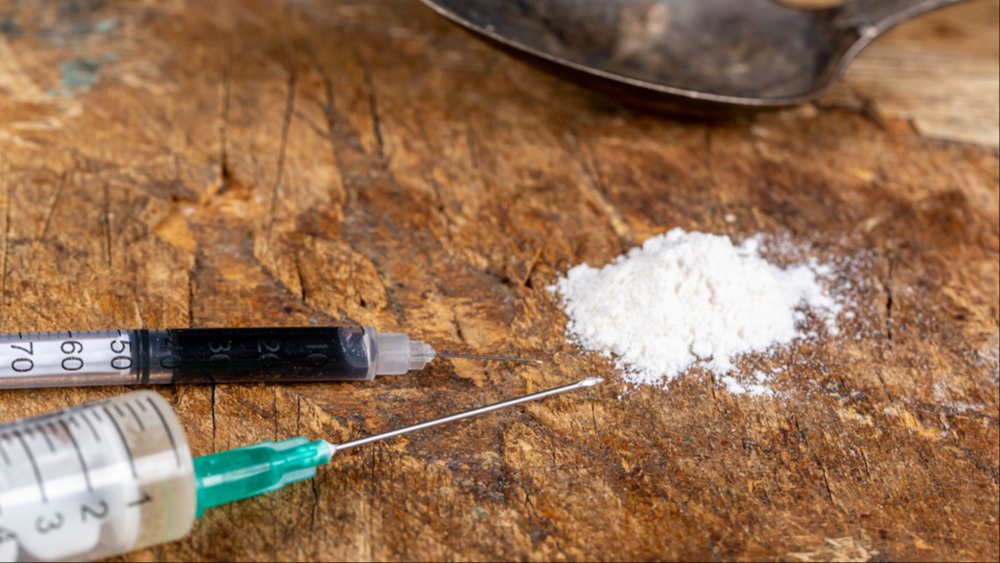
A systematic review of substance use among young people across sub-Saharan Africa, published in 2024, found something stark buried in its data. Of every country studied, Zambia recorded the highest lifetime prevalence of substance use among young people, at 40 percent, ahead of every other nation in the review. It is not a statistic that has driven national conversation the way politics, the economy or public health emergencies like HIV or malaria typically do. But behind it sits a generation of Zambian children and young adults for whom drug and alcohol use has become, in some communities, closer to the norm than the exception.
THE NUMBERS ARE HARD TO LOOK AWAY FROM
Zambia-specific research paints an even more detailed picture than the regional comparison. Among Zambian youth aged 15 to 21, studies have found lifetime prevalence of alcohol use at roughly 50 percent, marijuana use at 86 percent, and inhalant use at 47 percent, figures researchers say are comparable to rates seen among homeless and street youth in the United States. Among school-going children in grades 7 through 10, separate research found 45.1 percent engaged in what researchers classed as problematic drinking, and 42.4 percent reported episodes of drunkenness.
Government's own data shows the trend moving in one direction. Figures from the Drug Enforcement Commission show the number of people seeking counselling for drug dependency rose from 810 in 2021 to 1,212 in 2022, the majority of them aged between 12 and 35. Launching the National Policy on Drug and Substance Control, then Home Affairs Minister Jack Mwiimbu warned that most people who become addicted start with alcohol before progressing to harder substances such as marijuana and cocaine, calling it a serious risk to the country's social stability given that most of Zambia's population is under 35.
WHY IT IS HAPPENING
Researchers who have studied the drivers of substance use in Zambia point less to individual weakness and more to structural conditions that make drug and alcohol use easy to fall into and hard to escape. A qualitative study conducted by researchers including those from Zambia's Centre for Infectious Disease Research found that limited access to recreational facilities, poverty, unemployment, and the widespread availability of inexpensive substances all created what researchers called an enabling environment. Peer pressure, low self-esteem, and exposure to alcohol advertising were identified as compounding factors. Alcohol, in particular, is described as deeply embedded in Zambian social and cultural traditions, which researchers say complicates efforts to address its misuse without appearing to attack cultural practice itself.
The same research identified a second, quieter failure sitting alongside the drivers of use, the near-absence of adequate treatment. Researchers found no standardised treatment guidelines for substance use in Zambia, a lack of services specifically designed for adolescents and young adults, and pervasive stigma surrounding care for addiction, all of which discourage young people from seeking help even where some services exist. A parliamentary committee reviewing the issue found that rehabilitative services were concentrated in only a handful of provinces, Copperbelt, North-Western, Luapula, Muchinga and Northern, leaving large parts of the country without meaningful access to treatment at all. For young people who do come into contact with the justice system over drug-related offences, the same committee found many end up not in treatment but in correctional facilities such as Kansenshi, convicted for offences including shoplifting, burglary and vandalism linked to drug use rather than treated for the underlying dependency driving that behaviour.
WHAT IS BEING DONE
Zambia has taken some concrete legal steps. The Controlled Substance Act, No. 2 of 2023, updated the country's legal framework governing drugs, and the National Policy on Drug and Substance Control, launched under Mwiimbu, set out government's intended approach to prevention, enforcement and rehabilitation together. The UN Resident Coordinator's office in Zambia has separately used World Drug Day events to call for greater investment in prevention, treatment and rehabilitation, noting that globally only one in twelve people with substance use disorders receive any treatment at all, a gap researchers say is even wider across Africa, particularly for women.
WHAT THE NUMBERS ACTUALLY MEAN
A country where 86 percent of young people report having tried marijuana, where alcohol dependency counselling requests are rising year on year, and where treatment services exist in only a handful of provinces, is not describing a fringe problem affecting a small, troubled minority. It is describing something closer to a defining feature of what it means to grow up in parts of Zambia today. The researchers studying this crisis are consistent on one point, the solution is not simply telling young people to say no. It is recreational facilities that do not yet exist, jobs that have not been created, treatment services that have not been built, and a national conversation about addiction that has, so far, stayed remarkably quiet next to everything else competing for Zambia's attention.
Stay with MUVI
Follow our reporting wherever you are