
Zambian Youth Innovator Makes Top 5 In Africa Tourism Challenge
·September 15, 2026
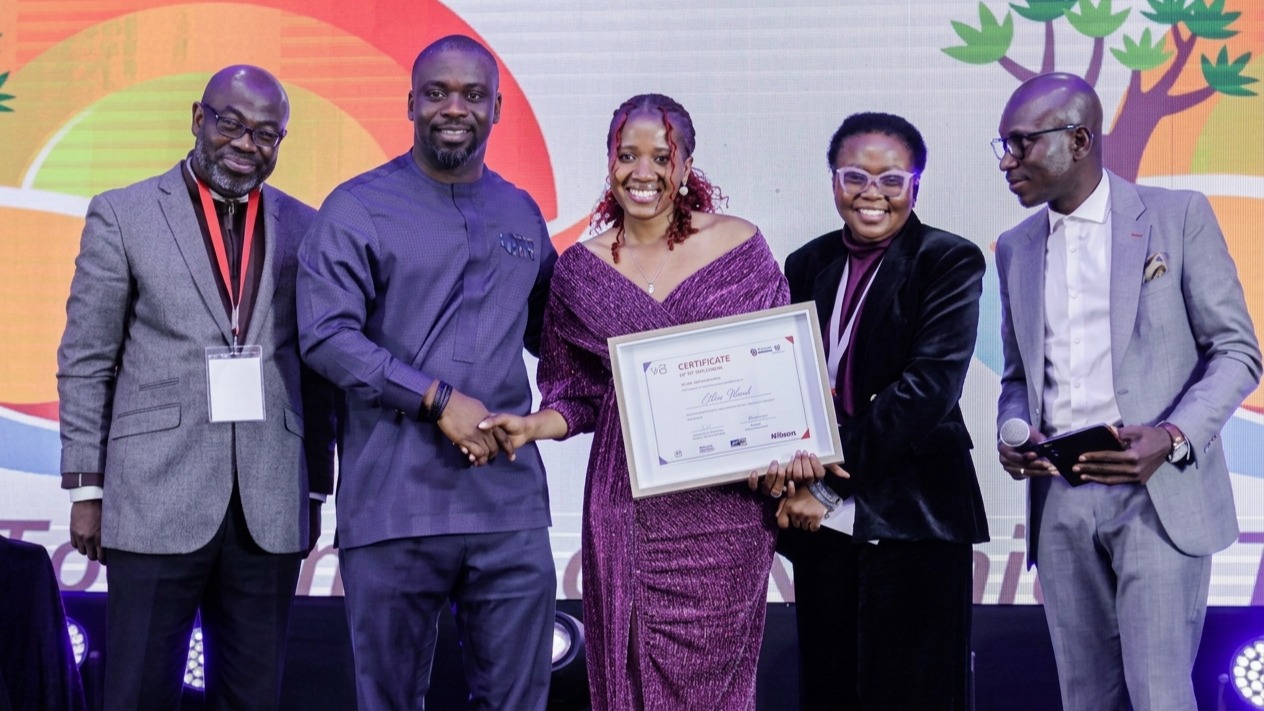
A Zambian tourism student is putting the country on the continental innovation map after making it into the Top 5 of the Africa Youth in Tourism Innovation Challenge with an idea designed to promote more sustainable travel.
Lillian Chungu Mumbi has advanced to the final stage of the competition with her EcoTourism Digital Passport, an innovation that uses technology to encourage sustainable tourism and reward environmentally responsible behaviour.
Mumbi progressed through the competition process in South Africa, first emerging among the leading innovators in Midrand before advancing to the final stage in Polokwane.
Her achievement places her among a select group of young African innovators whose ideas are being considered in a competition focused on finding new solutions for the continent's tourism industry.
The Africa Youth in Tourism Innovation Challenge, hosted by Africa Tourism Partners in collaboration with UN Tourism and BDO, is designed to showcase young entrepreneurs and innovators working on travel, tourism and related solutions. The organisers say the Top 5 finalists are also connected to industry leaders, mentors and potential funding or partnership opportunities.
For Mumbi, the recognition is another step in a growing journey in tourism innovation.
She is pursuing a Bachelor’s degree in Travel and Tourism Management at the Zambia Institute for Tourism and Hospitality Studies (ZITHS), where she also serves as Student Union President. Competition records identify her as the founder of Tourism Beyond Borders Africa, a venture focused on connecting travellers with destinations and experiences across Africa.
Her EcoTourism Digital Passport has previously attracted attention from the African tourism innovation community. Competition material describes the project as using blockchain technology to support sustainable tourism, while other profiles describe it as an application that promotes sustainable tourism and rewards eco-friendly behaviour.
The idea comes as the tourism industry increasingly looks to technology not only to market destinations, but also to encourage more responsible travel and strengthen the connection between visitors, communities and the environment.
Mumbi's progress is therefore about more than making a competition shortlist. It shows how young people entering the tourism industry can move beyond traditional tourism models and develop their own ideas around technology, sustainability and entrepreneurship.
Her journey also highlights the growing role of young African innovators in shaping how tourism could work in the future.
From a student developing an idea in Zambia to pitching that idea on a continental platform, Mumbi has already turned the EcoTourism Digital Passport into a project attracting attention beyond the country.
She now carries the Zambian innovation story into the final stage of the competition, with her EcoTourism Digital Passport competing alongside other ideas from across Africa.
Whatever the final outcome, reaching the Top 5 gives Mumbi and her innovation a much bigger platform to demonstrate what young Zambians can bring to the future of tourism.
Stay with MUVI
Follow our reporting wherever you are