Politics
Did Mundubile Pass the BBC Test?
·August 6, 2026
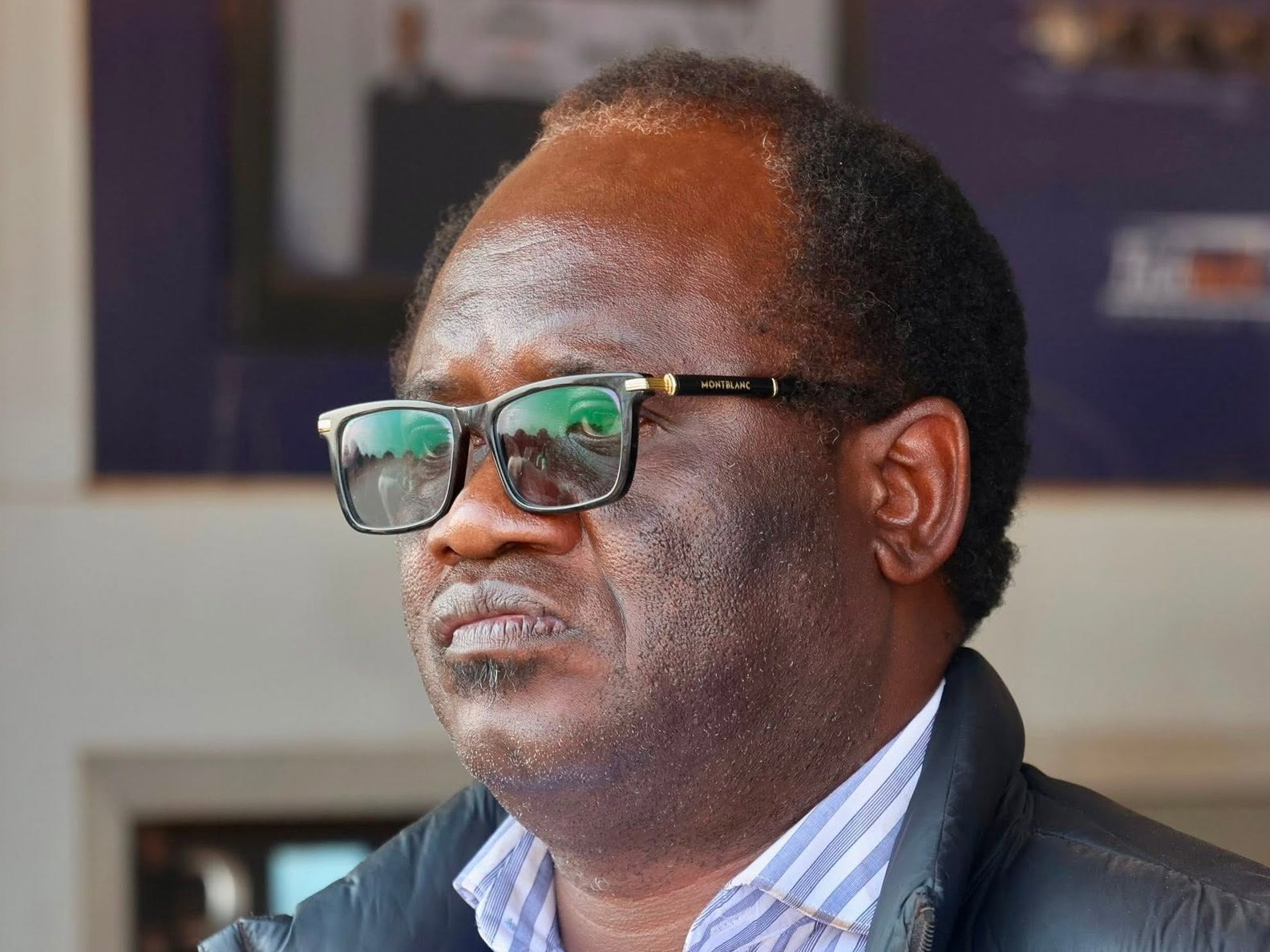
Presidential campaigns are not often defined by a single interview.
For Brian Mundubile, his recent appearance on BBC Focus on Africa, in an exchange with journalist Dingindaba Jonah Buyoya, may become one of those defining moments.
As the Tonse Alliance candidate, Mundubile entered the interview with an opportunity to introduce himself to a continental audience as a credible alternative to President Hakainde Hichilema. Instead, a significant part of the discussion centred on defending his record in the Patriotic Front government and explaining how his administration would finance its ambitious promises.
The exchange began with Mundubile setting out his economic philosophy. He argued that the PF government's record showed clear pro-poor intent, pointing to early investment in backbone infrastructure as evidence, and framing industrialisation as the pathway to job creation and, ultimately, poverty reduction.
When Buyoya pressed him on where the money for these "massive projects" would actually come from, Mundubile's answer was that it was "a question of priorities" and that "money is always there," pointing to the country's foreign reserves as proof that funds could be generated from within the economy.
That answer opened him up to the interview's sharpest challenge. Buyoya, drawing on his own experience in government, noted that PF had borrowed extensively during its time in office despite the same talk of "priorities," putting to Mundubile that a government can, in fact, run short of money regardless of stated intentions.
Rather than directly addressing the borrowing record, Mundubile shifted the discussion to copper prices, noting that prices have roughly doubled since PF was last in government, from around $6,000 per tonne to current levels. He argued that mining houses are earning significantly more than during PF's tenure, and that his government would need to "sit down with the mining houses" to secure "a fair return" for the country.
It was a pivot that answered a different question than the one asked. Buyoya's challenge was about PF's own past reliance on borrowing; Mundubile's response was a forward-looking argument about renegotiating mining revenue. Whether a Mundubile government could translate a "fairer return" from mining houses into financing for his stated promises, without the details of what that renegotiation would look like, was left unaddressed in this exchange.
None of this means Mundubile lacks political experience. He has served as a Cabinet minister, Leader of the Opposition and Member of Parliament, and his manifesto presents an ambitious vision for economic recovery and governance reform. Yet experience alone does not automatically translate into presidential readiness.
A presidential interview is more than a policy discussion; it is a test of composure, clarity and command of complex issues. On the question of financing his agenda, this exchange left Mundubile answering adjacent to, rather than directly confronting, the toughest part of Buyoya's challenge.
Campaigns can recover from difficult interviews. Candidates learn, refine their messaging and perform better in subsequent appearances. But in a tightly contested election, first impressions matter. For Brian Mundubile, this exchange may have done less to convince undecided voters than to reinforce questions about how he would fund the government he is promising.
Stay with MUVI
Follow our reporting wherever you are