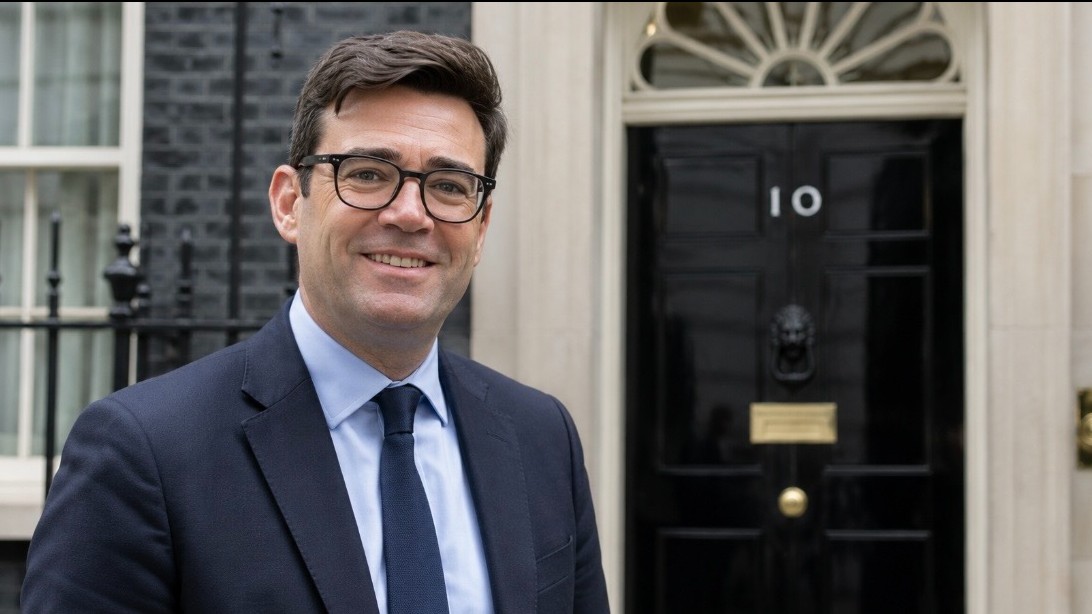
Britain has a new Prime Minister.
Andy Burnham officially took office today following the resignation of Sir Keir Starmer, inheriting an economy under pressure, strained public finances and a foreign policy still adjusting to life after Brexit.
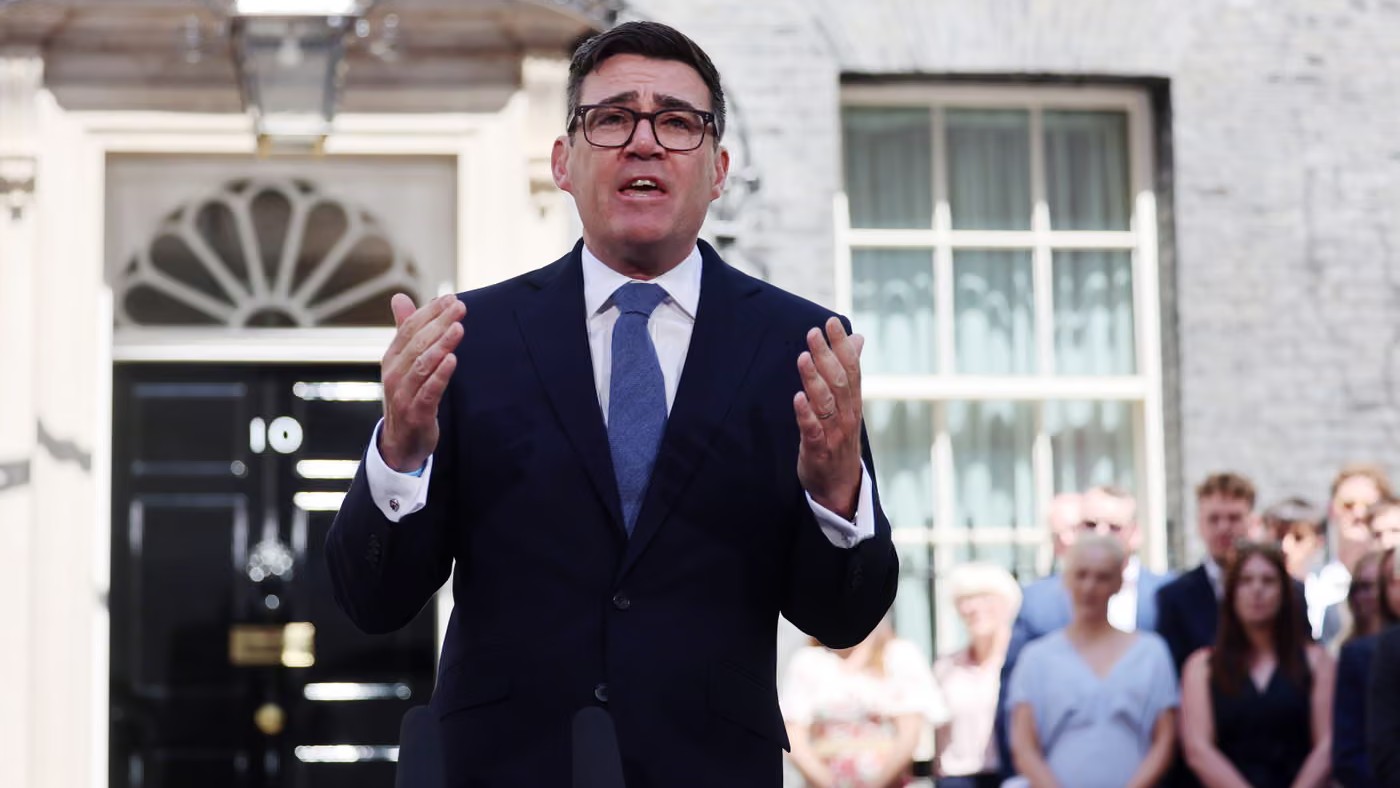
For many Zambians, however, the political transition in London raises a more practical question:
What does Britain's new leadership actually mean for Zambia?
Beyond Symbolism
The United Kingdom and Zambia share a long history.
Britain remains one of Zambia's largest development partners, an important investor and a destination for thousands of Zambian students, professionals and visitors each year. British companies continue to operate across sectors including mining, finance, agriculture and professional services.
Yet for many ordinary Zambians, the relationship is increasingly measured not by history, but by opportunity.
Can businesses access the UK market more easily?
Will investment increase?
Will it become easier for students and professionals to study and work in Britain?
Will trade create jobs in Zambia?
These are the questions many will be asking as Burnham begins his premiership.
The Promise of "Global Britain"
Following Brexit, successive British governments promoted the vision of a "Global Britain"—one that would strengthen ties with Commonwealth countries through expanded trade, investment and diplomatic cooperation.
The Commonwealth, made up of 56 member states, was presented as a natural partner based on shared institutions, language and historical links.
Supporters argued that leaving the European Union would allow Britain to negotiate more flexible trade agreements and deepen economic engagement with countries such as Zambia.
Nearly a decade later, many analysts say the results have been mixed.
Trade: Progress, But Few Breakthroughs
Trade between Zambia and the United Kingdom has remained steady, and British companies continue to invest in sectors such as mining, renewable energy and financial services.
However, many of the UK's post-Brexit trade arrangements with Commonwealth countries largely preserved existing market access rather than creating fundamentally new opportunities.
For exporters in Zambia, longstanding challenges—including production costs, logistics, financing and compliance with international standards—continue to limit access to the UK market.
While investment has continued, many businesses had hoped for a broader expansion in trade following Brexit.
Education and Mobility
The UK remains one of the most popular destinations for Zambian students pursuing higher education.
Thousands of healthcare professionals, engineers, accountants and other skilled workers also continue to build careers in Britain.
However, visa fees, health surcharges and other immigration costs have risen significantly in recent years, making studying, working and visiting the UK increasingly expensive.
The immigration system introduced after Brexit also places Commonwealth citizens under the same points-based framework as applicants from most other countries, reducing many of the historic advantages once associated with Commonwealth membership.
For many Zambians, easier mobility remains one of the most visible measures of whether the UK is truly strengthening its partnership with the Commonwealth.
Development and Investment
Britain continues to support Zambia through programmes focused on health, education, governance, climate resilience and economic development.
However, reductions in the UK's overseas aid budget in recent years have affected development funding across several countries, including those in the Commonwealth.
At the same time, Zambia is increasingly seeking partnerships centred on investment, infrastructure, industrialisation and value addition rather than traditional aid.
This shift presents both a challenge and an opportunity for the new British government.
What Burnham's Government Could Focus On
For Zambia, a stronger partnership with Britain could include:
Increased British investment in mining, energy and manufacturing.
Greater support for agricultural exports and value-added products.
Expanded scholarships and education partnerships.
Easier business and investment links between British and Zambian companies.
Closer cooperation on climate finance, technology and innovation.
Improved mobility for students, professionals and entrepreneurs.
Whether these priorities become reality will depend on policy decisions made in London over the coming months and years.
A Relationship at a Crossroads
Andy Burnham begins his premiership at a time when Britain is seeking economic growth and stronger international partnerships.
For Zambia, the relationship with the UK remains important—not simply because of shared history, but because of its potential to create jobs, attract investment and expand opportunities for young people and businesses.
The new Prime Minister now has an opportunity to redefine what the UK–Zambia partnership looks like in the post-Brexit era.
For many Zambians, the measure of success will not be speeches about the Commonwealth or declarations of friendship. It will be tangible outcomes: more investment, more trade, greater educational opportunities and policies that make it easier for people and businesses in both countries to prosper.
As Britain enters a new political chapter, Zambia—and the wider Commonwealth—will be watching to see whether this change in leadership delivers meaningful change, or simply marks another change of occupant at 10 Downing Street.