Politics
Why Turnout, Not Just Numbers, Could Decide Zambia's Election, DPP's Mwanza Argues
·August 8, 2026
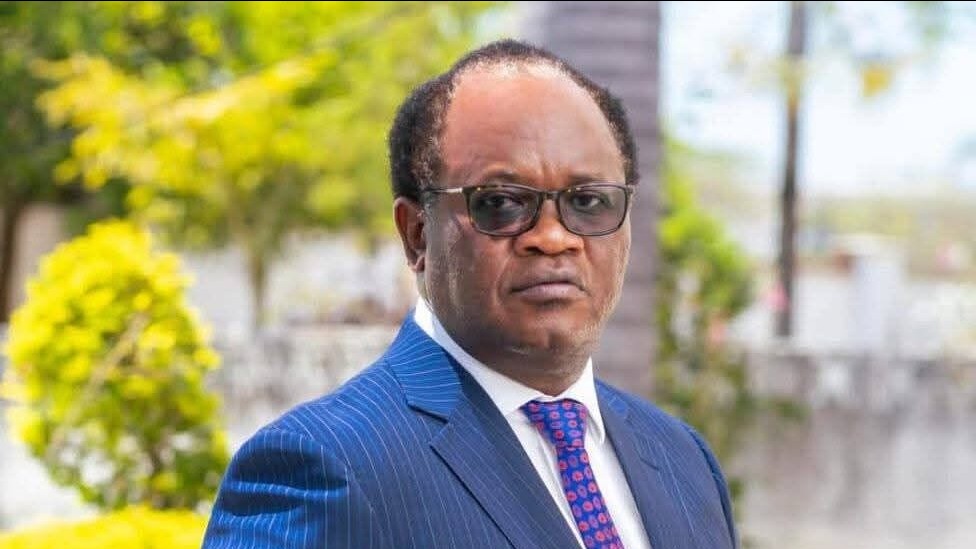
With Zambians voting Thursday, Democratic Progressive Party President Antonio Mourinho Mwanza has laid out an analysis arguing that the outcome may hinge less on which party has the most registered supporters and more on which one gets its supporters to the polls, wins its strongholds by the widest margins, and limits its losses elsewhere.
In a breakdown of the country's electoral geography, Mwanza noted that Southern, Western and North-Western provinces together account for 2,256,822 registered voters, while Luapula, Northern and Muchinga hold a combined 1,852,620. Lusaka and Copperbelt, the country's most urbanised provinces, form the largest bloc at 2,727,335 voters combined, with Eastern Province a further 1,129,444. Mwanza singled out Eastern and Central provinces for special attention, describing Eastern as "more of a swing province" and Central as "a battleground province," arguing both could shift between competing political forces on election day.
"The key is to significantly push the voter turnout and win by large margins in your strongholds and lose with respectable margins in your weakholds," Mwanza wrote, adding that registered support "only becomes politically meaningful when supporters actually turn up and cast their ballots."
His analysis sits against the backdrop of the Electoral Commission of Zambia's certified 2026 register, which puts the national total at 8,786,300 voters, 4,665,431 of them female and 4,120,869 male, spread across all 10 provinces, 116 districts, 226 constituencies and 1,858 wards.
Zambia will use 13,529 polling stations this election, up from 12,152 in 2021, though ECZ Chief Electoral Officer Brown Kasaro has stressed the increase does not mean thousands of new physical voting locations. The number of voting centres nationwide remains at roughly 9,000; the rise in polling stations instead reflects additional voting rooms added within existing centres to accommodate the larger voter register, with each room in a busy centre, such as the University of Zambia Sports Hall, counted as a separate polling station. To staff the exercise, the ECZ is deploying close to 90,000 electoral personnel, roughly seven per polling station, made up of five trained poll workers, one usher and one police officer, a scale that also underlines the logistical task facing political parties trying to post monitoring agents at every station.
Estimates cited alongside Mwanza's analysis suggest roughly 5.23 million of Zambia's registered voters, about 59.5 percent, live in rural areas, against approximately 3.56 million, or 40.5 percent, in urban areas. Those figures should be treated as estimates rather than official ECZ statistics, since the Commission's published register does not include a national rural-urban breakdown matching them, but if broadly accurate they underscore the scale of the mobilisation challenge in reaching rural voters given transport and distance constraints.
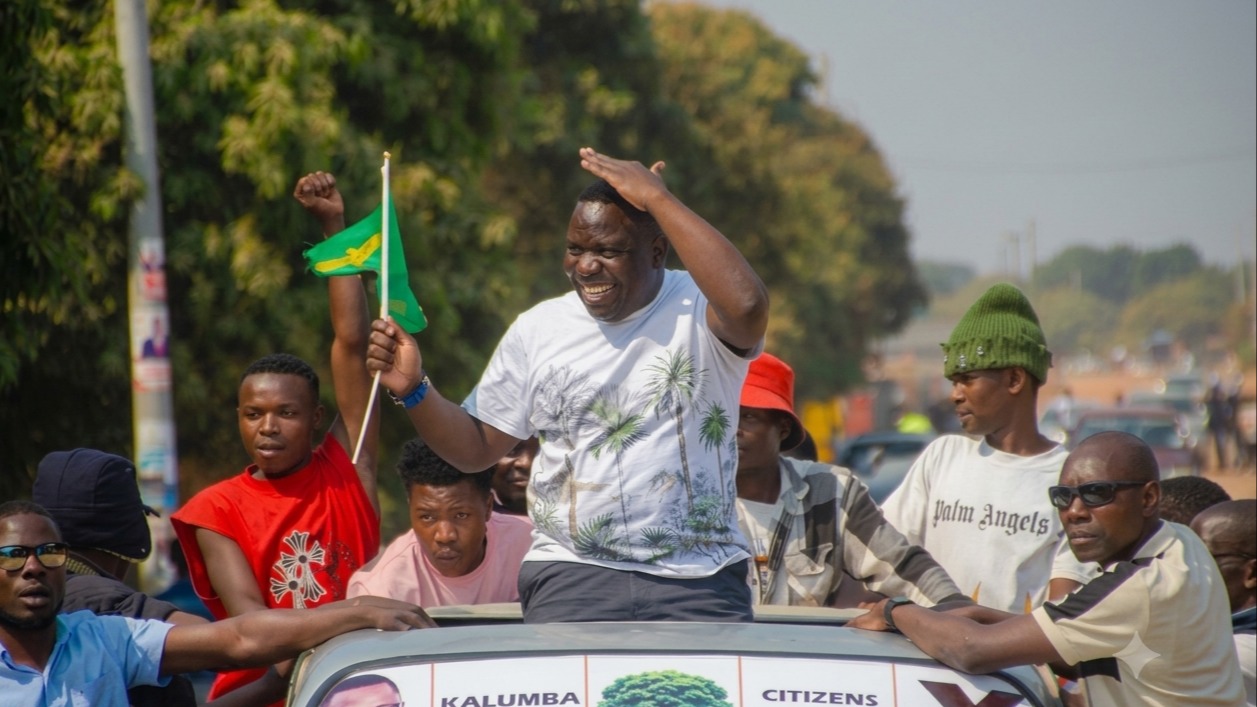
Taken together, Mwanza's argument is that Thursday's election will be decided as much by organisation and turnout on the ground as by a party's perceived popularity at rallies, a dynamic he has raised before, previously pointing opposition parties to Michael Sata's 2008 defeat, when Sata publicly lamented poor rural returns despite strong urban support, as a cautionary example of what happens when a campaign's ground game does not match its rhetoric.
Voting takes place on Thursday, 13 August 2026, from 06:00 to 18:00 hours.
Stay with MUVI
Follow our reporting wherever you are