Health
Africa's health systems are "under growing strain," a new report warns. Zambia is one of its starkest examples
By MUVI Editorial·September 24, 2026
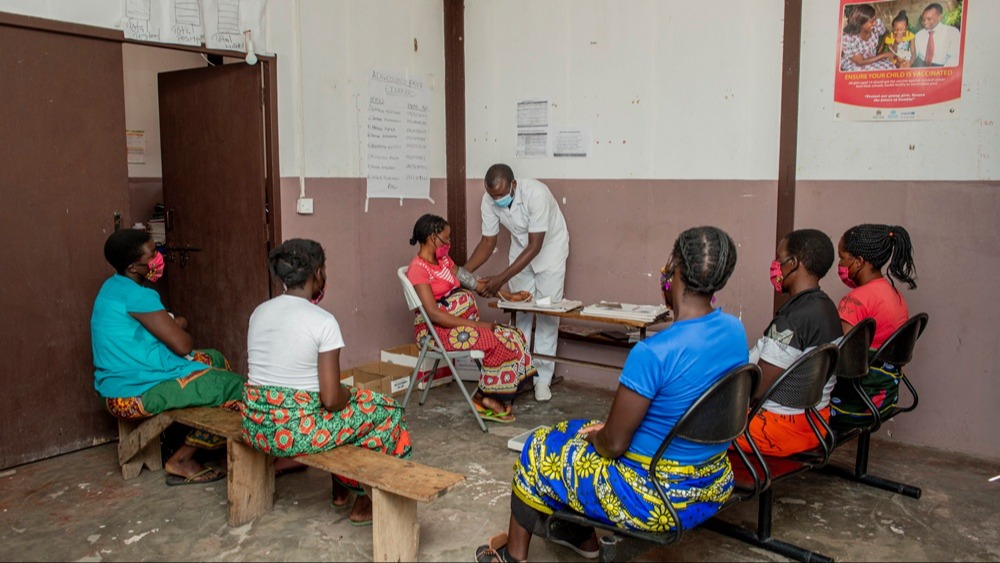
A new report warns healthcare across Africa is "under growing strain" after the US pulled back from major aid programmes, arguing the continent needs to take real ownership of its own health future instead of relying on foreign donors.
Zambia might be the clearest example of exactly why. The report, A Sovereign Future For Health, comes from Accra Reset.
A global health initiative says it all, Africa produces less than 1% of its own vaccines while carrying about 25% of the world's disease burden. Ghana alone lost $78 million when USAID programmes closed. Nigeria had to absorb 28,000 former USAID health workers at a cost of $200 million.
Now here's Zambia's story specifically. At the start of 2025, 84% of Zambia's entire HIV programme was funded by the US, the highest share of any high-burden country anywhere. In five provinces, USAID-employed workers provided direct clinical care in about 70% of health facilities. When the funding pulled out in January 2025, it wasn't gradual, 32 drop-in centres serving over 20,000 people with HIV shut down, along with youth-focused centres in 21 districts. Over 34,000 health workers were affected. Roughly 100,000 people stopped their HIV medication, and 40,000 of them still haven't been brought back into care.
Here's what makes Zambia's story unusually well documented, our own health officials modelled the fallout themselves. A study co-authored by Dr Lloyd Mulenga, Dr Kennedy Lishimpi and Professor Roma Chilengi, now Zambia's own Minister of Health, found that quickly restoring these services could save over 1.5 million lives and prevent a full HIV resurgence.
UNAIDS Zambia's Country Director put the bigger picture in perspective, "In 1997, life expectancy in Zambia was about 46 years due to HIV and AIDS. In 2023, it was nearly 66 years because of the investments made." Most Zambians who were on treatment before the cuts remain on it today, credit to government's emergency response. But testing and prevention have been scaled back so much that officials say they genuinely don't know how fast new infections might be rising right now.
Zambia is, in many ways, the exact case this global report is making, donor dependency left health systems dangerously exposed to one foreign government's political decisions. The real question now is whether the country moves fast enough to build its own lasting capacity, using a warning its own scientists helped write.
Stay with MUVI
Follow our reporting wherever you are