For years, many women have been told that irregular menstrual cycles are "normal," that stubborn acne is simply cosmetic, or that weight gain is a matter of diet and exercise. Others have accepted excessive facial hair, thinning scalp hair or difficulty conceiving as unfortunate but unrelated experiences.
Medical experts say these symptoms may, in some cases, point to a single underlying condition.
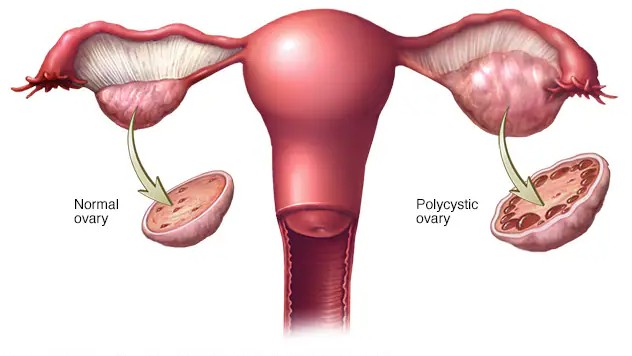
It is now known as Polyendocrine Metabolic Ovarian Syndrome (PMOS), a term increasingly being adopted to reflect a broader understanding of the disorder previously known as Polycystic Ovary Syndrome (PCOS). The updated name emphasizes that the condition affects not only the ovaries but also multiple hormone systems, metabolism and insulin regulation.
A Common Condition That Often Goes Undetected
According to the World Health Organization (WHO), PMOS affects an estimated 10 to 13 percent of women of reproductive age worldwide—roughly one in eight women.
Yet the WHO estimates that up to 70 percent of affected women remain undiagnosed, meaning many live for years without understanding the cause of their symptoms.
There are no nationally published estimates showing how many women in Zambia are living with the condition. However, if global prevalence is similar, the number could be substantial.
Why Fertility Is Often the First Warning Sign
For many women, the condition only comes to medical attention after they begin trying to conceive.
PMOS is the most common cause of anovulation, a condition in which the ovaries do not release eggs regularly. Without ovulation, pregnancy becomes much more difficult, even when other aspects of reproductive health appear normal.
Importantly, experts stress that PMOS does not mean a woman cannot have children. Many women with the condition conceive naturally, while others do so with lifestyle changes, medication or fertility treatment.
Early diagnosis often improves those chances.
More Than a Reproductive Condition
Although infertility receives much of the public attention, PMOS is increasingly understood as a lifelong metabolic and endocrine disorder.
The WHO says women living with the condition face an increased risk of:
Insulin resistance
Type 2 diabetes
Obesity
High blood pressure
Cardiovascular disease
Anxiety and depression
These risks can often be reduced through early diagnosis, healthy lifestyle changes and appropriate medical treatment.
Symptoms That Should Not Be Ignored
Doctors advise women to speak with a healthcare professional if they experience persistent symptoms such as:
Irregular or absent menstrual periods
Difficulty becoming pregnant
Persistent acne beyond adolescence
Excess facial or body hair
Thinning hair on the scalp
Unexplained weight gain, particularly around the abdomen
Having one or more of these symptoms does not necessarily mean someone has PMOS. Many other medical conditions can cause similar problems, which is why proper medical assessment is important.
What Women Can Do
Medical specialists recommend that women who suspect they may have PMOS seek evaluation from a qualified healthcare provider rather than relying on self-diagnosis or advice shared on social media.
Diagnosis typically involves a review of symptoms, blood tests to assess hormone levels and, where appropriate, an ultrasound examination. Treatment depends on an individual's symptoms and whether they are trying to conceive.
Lifestyle measures—including regular physical activity, a balanced diet, maintaining a healthy weight where possible and managing stress—can improve symptoms for many women, but these approaches should complement, not replace, professional medical care.
Why Awareness Matters
One of the greatest challenges surrounding PMOS is that many women simply do not know it exists.
Recognising persistent symptoms and seeking medical advice early may help explain years of uncertainty, improve quality of life and, for some women, increase the likelihood of a healthy pregnancy.
For those living with unexplained menstrual irregularities or fertility challenges, asking the right questions may be the first step toward finding answers.
Medical Disclaimer
This article is intended for general public education and should not be used as a substitute for professional medical advice, diagnosis or treatment. Experiencing one or more of the symptoms described does not necessarily mean you have PMOS. If you have concerns about your menstrual cycle, fertility or hormonal health, consult a qualified doctor or gynaecologist for a proper evaluation. Never delay seeking medical care because of information you have read online.