Health
Finally, A Vaccine For Cancer
By Muvi TV News Desk·November 17, 2026
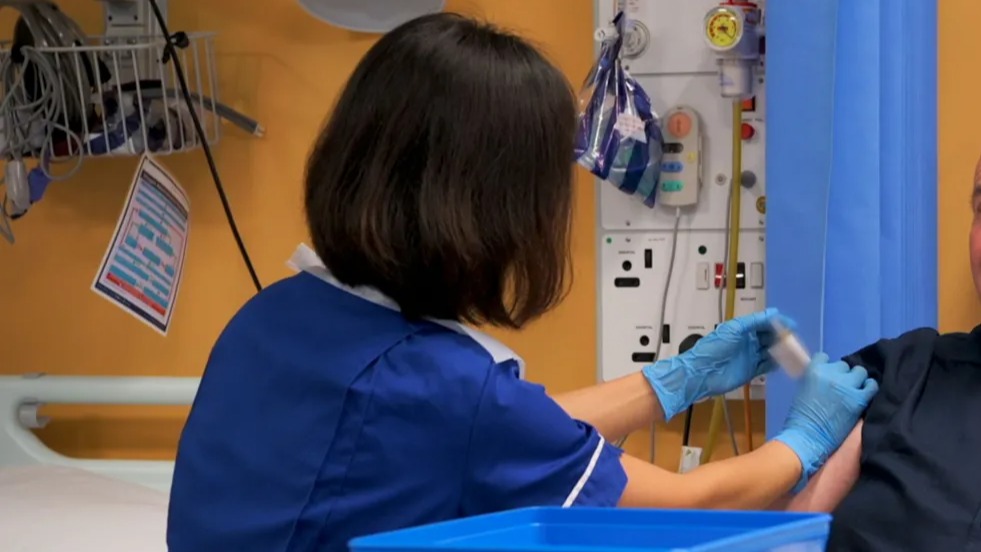
For people who have undergone cancer treatment, the fear of it returning can remain long after surgery.
An experimental vaccine developed by Moderna and Merck has brought encouraging news for patients with high-risk melanoma, a serious form of skin cancer.
In a trial involving 1,137 patients, adding the vaccine to an existing treatment helped more people remain alive without their cancer returning.
The vaccine, called intismeran autogene, is made using genetic information from each patient’s tumour.
It trains the immune system to recognise features of that person’s cancer and attack cells carrying them.
Patients received it after surgery alongside pembrolizumab, also known as Keytruda, which helps the immune system fight cancer.
After two years, about 82% of patients receiving both treatments were alive without a recurrence, compared with 70% receiving pembrolizumab alone.
The findings were published in the New England Journal of Medicine. Side effects occurred in both groups, with severe adverse events more frequent among patients receiving the combination.
Researchers are continuing to follow participants to establish whether the treatment also helps them live longer overall.
The vaccine remains experimental and has yet to receive approval for routine use. Its results apply to the melanoma patients studied, and further trials are investigating the approach in other cancers.
Vaccination already plays a role in cancer prevention through HPV and hepatitis B vaccines.
This latest research advances a different goal helping the body recognise a patient’s own cancer and reduce the chance of it returning.
Photo Source: BBC News
Stay with MUVI
Follow our reporting wherever you are