Health
Teenage Pregnancy More Likely to Lead to Marriage in Eastern Zambia, Study Finds
By Muvi TV News Desk·November 10, 2026
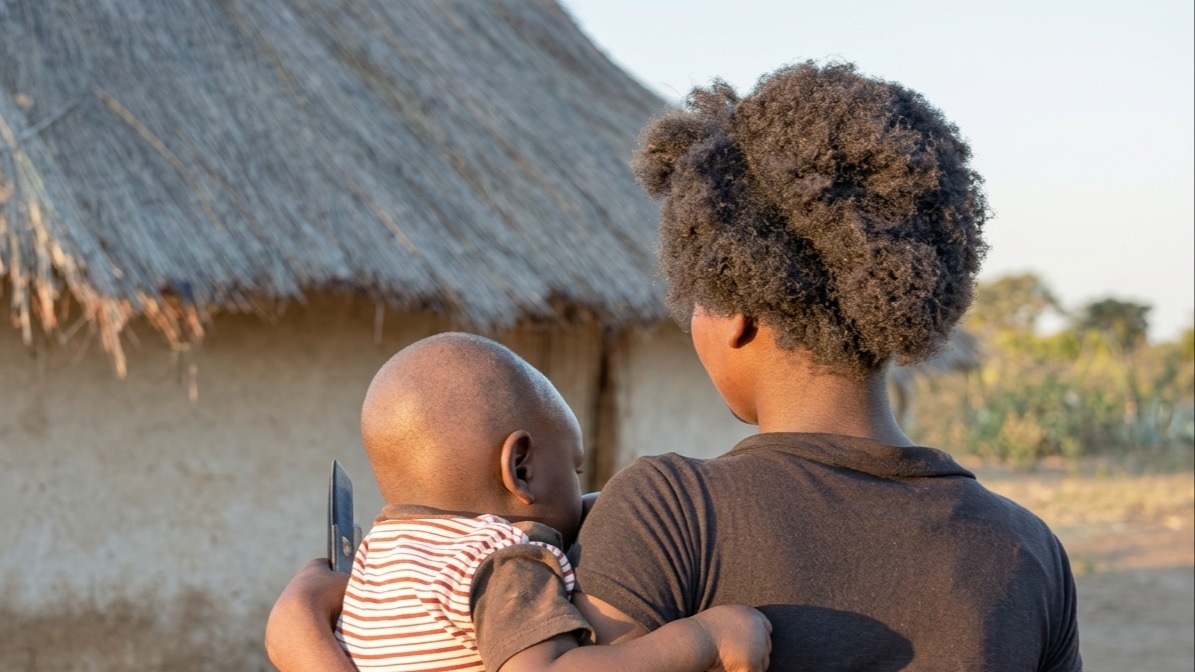
A study published in May 2026 has revealed striking differences in how communities in Zambia’s Eastern and Western provinces respond to teenage pregnancy.
Despite having similar teenage pregnancy rates, researchers found that girls who become pregnant in Eastern Province are more likely to enter early marriage, while those in Western Province are more likely to remain with their families and continue their education.
Published in the international journal Reproductive Health, the study by researchers Hannah Kabelka, Joseph M. Zulu, Pam Baatsen and Maryse Kok examined why child marriage is more common in Eastern Province despite its relatively lower poverty levels.
Drawing on existing research and consultations with community stakeholders in Chipata, Chadiza and Mongu, the researchers identified cultural expectations, attitudes towards education and the shame sometimes associated with teenage pregnancy as major factors influencing what happens to girls after becoming pregnant.
The researchers found that in some Eastern Province communities, teenage pregnancy can create social pressure for girls to marry, while in Western Province, a longstanding emphasis on education encourages families to support girls in completing school even after pregnancy.
The study also highlighted differences in educational attainment, reporting that 29% of people in Eastern Province had no formal education, compared with 4% in Western Province, according to figures cited by the researchers.
However, the findings describe broad social patterns and do not mean every family or community behaves the same way.
The study recommends stronger efforts to keep girls in school, including financial assistance to vulnerable families, improved access to reproductive health information and greater involvement of traditional and religious leaders.
Researchers argue that reducing child marriage requires more than tackling poverty alone; it also means changing social attitudes that determine whether a teenage pregnancy ends a girl’s education or whether she receives the support needed to build her future.
Photo Source: World Vision International
Stay with MUVI
Follow our reporting wherever you are