Agriculture
Government suspends wheat import duty for a month, as local shortfall keeps bread prices climbing
·September 11, 2026

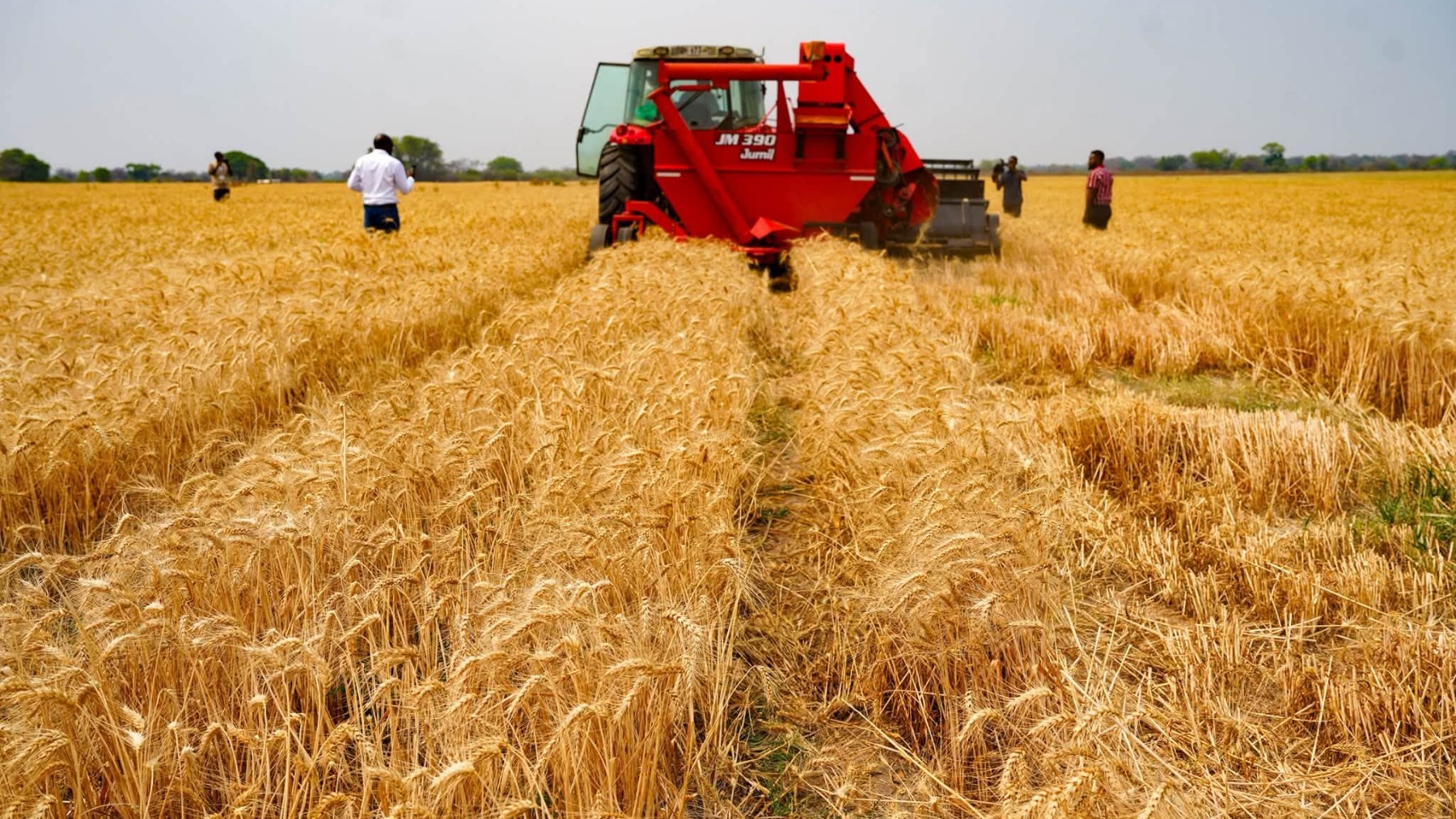
Government has temporarily zero-rated customs duty on wheat imports for a specific group of 26 companies, allowing them to bring in a combined 300,000 tonnes of wheat duty-free for the month of September, as the country continues to lean on imports to cover a domestic wheat shortfall that has pushed up the price of bread and buns.
The Zambia Revenue Authority said the suspension, provided for under Statutory Instrument No. 65 of 2026 and the Customs and Excise (Suspension) (Wheat) (No. 2) Regulations, 2026, is deemed to have taken effect retroactively from 1 September and will run only until 30 September, when the regulations are automatically revoked.
During that window, duty on wheat under tariff headings 1001.19.00 and 1001.91.90 drops to zero percent, but only for imports that meet all three conditions set out in the Statutory Instrument, the importer must hold a valid permit from the Ministry of Agriculture, must be one of the 26 companies named in the Schedule to the Regulations, and must stay within that company's individually approved quantity.
ZRA Corporate Communications Manager Oliver Nzala's statement was explicit that this is not a general waiver open to any wheat importer. "The suspension is not a general duty waiver for all wheat importers," the Authority said, adding that only qualifying imports meeting the Statutory Instrument's requirements would benefit from the zero rate during the prescribed period. Importers and clearing agents were urged to have permits and supporting documentation ready at clearance, and to complete their approved import quantities within the one-month window.
WHY THIS IS HAPPENING NOW
The measure follows a sharp fall in Zambia's own wheat harvest. Domestic wheat production dropped by roughly 35 percent in the most recent season, according to industry figures reported last year, a shortfall attributed partly to reduced smallholder participation in the crop and driving a documented rise in the price of bread and buns, staples that have become increasingly central to household diets in urban compounds. Grain traders and the Millers Association of Zambia estimated the country would need to import upwards of 200,000 tonnes of wheat simply to meet current consumption, a figure the 300,000-tonne allocation under this suspension now exceeds.
Zambia has used this same tool before. In 2024, government suspended wheat import duty for a five-month window, allocating 100,000 tonnes across 21 companies after the Bakeries Association of Zambia publicly pressed authorities to act on rising bread prices. This year's suspension is both larger in volume and narrower in duration, tripling the tonnage allocated while compressing the window to a single month, though ZRA's statement does not explain the reasoning behind that shorter timeframe.
A REGIONAL PATTERN
Zambia's approach mirrors a wider trend across Southern Africa, where bread pricing is treated as a politically sensitive matter precisely because so much of the region's wheat is imported and therefore exposed to currency swings and global price shocks. Governments across the region have repeatedly intervened through duty suspensions, controlled importation or price oversight to keep bread affordable, a caution reinforced by episodes elsewhere on the continent, including social unrest in Eswatini last November after a government-sanctioned bread price increase, and public protests in Malawi over rising bread prices in 2025.
Stay with MUVI
Follow our reporting wherever you are