Health
Heavy Periods Are Not Normal: Doctors Urge Women to Seek Help
By Muvi TV News Desk·July 25, 2026
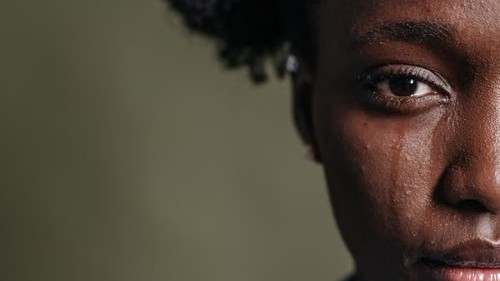
For many women and girls, painful and heavy menstrual periods have long been accepted as an unavoidable part of life. They miss school, stay away from work, avoid social events and quietly endure symptoms they believe are "just normal."
Health experts now say that belief is preventing millions from receiving treatment for a serious but often overlooked medical condition.
Heavy menstrual bleeding affects an estimated 10 to 30 percent of women of reproductive age, with some studies suggesting the true number could be even higher because many women never report their symptoms or realise that their bleeding is abnormal.
Doctors define heavy menstrual bleeding as bleeding that significantly interferes with a person's quality of life. While some medical guidelines also measure the amount of blood lost or the length of a menstrual cycle, many specialists say the most important question is simple: Is your period stopping you from living your normal life?
Medical experts say heavy menstrual bleeding is not a disease itself but often a symptom of an underlying health condition.
It can be caused by uterine fibroids, endometriosis, hormonal changes, blood-clotting disorders, polyps and, in some cases, certain cancers. Left untreated, persistent heavy bleeding can lead to iron deficiency and anaemia, causing fatigue, dizziness, shortness of breath, poor concentration and weakness.
These complications can affect every aspect of daily life, from education and employment to family responsibilities.
Although there are no comprehensive national statistics for Zambia, healthcare professionals say many women delay seeking medical attention because heavy periods are often considered a private matter or a normal part of womanhood.
In many communities, conversations about menstruation remain surrounded by stigma, making it difficult for girls and women to discuss symptoms openly or seek help early.
As a result, some women only discover they have conditions such as fibroids or endometriosis after years of living with excessive bleeding.
Health professionals advise seeking medical attention if you:
Soak through pads or tampons every hour for several consecutive hours.
Pass large blood clots regularly.
Bleed for more than seven days.
Feel dizzy, unusually tired or short of breath during your period.
Miss school, work or daily activities because of heavy bleeding.
Experience bleeding that suddenly becomes much heavier than usual.
Early diagnosis can help identify the underlying cause and prevent more serious complications.
The good news is that heavy menstrual bleeding is treatable.
Depending on the cause, treatment may include medication to reduce bleeding, hormonal therapy, iron supplements to treat anaemia, or surgery for conditions such as fibroids. Doctors stress that treatment should be tailored to each patient's condition and reproductive plans.
Researchers around the world are also working to improve diagnosis and develop better treatments, with growing recognition that menstrual health deserves far greater attention than it has historically received.
Medical professionals say one of the biggest barriers remains awareness.
Many women continue to believe heavy bleeding is something they simply have to endure.
But experts say that is a dangerous misconception.
A menstrual period should not leave someone unable to attend school, report for work or carry out everyday activities.
If it does, they say, it may be time to seek medical advice.
Adapted from BBC Future's reporting on heavy menstrual bleeding, with additional context for Zambian audiences.
Stay with MUVI
Follow our reporting wherever you are