Opinion
Just Months Ago, Hichilema Looked Virtually Unopposed. Not Anymore.
By Muvi TV News Desk·July 18, 2026
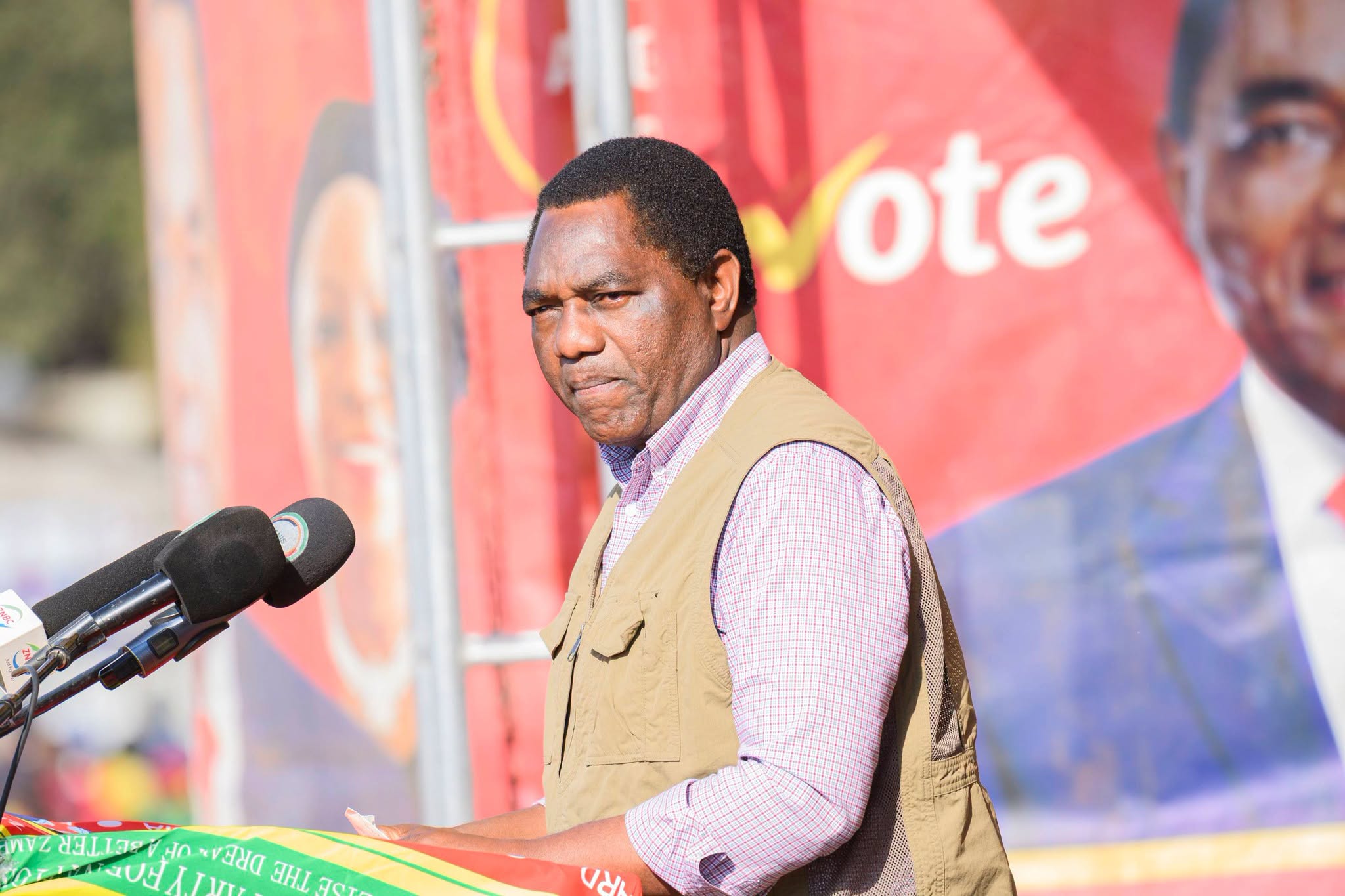
Only a few months ago, Zambia's presidential election appeared almost settled.
President Hakainde Hichilema had the advantages of incumbency, a fragmented opposition and a government eager to showcase achievements ranging from free education and increased Constituency Development Fund (CDF) allocations to debt restructuring and renewed investor confidence. For many observers, the biggest question was not whether Mr. Hichilema would win, but by how much.
Today, the political atmosphere feels markedly different.
The opposition has become more coordinated, campaign rallies have grown larger, and public debate has become increasingly confrontational. Rather than focusing solely on government achievements, the national conversation is now dominated by rising living costs, unemployment, governance, and accusations exchanged daily between political rivals.
What has perhaps changed most is perception.
The opposition is no longer campaigning as scattered parties pursuing separate agendas. Through the Tonse-Pamodzi Alliance, several political figures who once competed against one another now share platforms, messaging and campaign schedules. Whether that unity ultimately translates into votes remains uncertain, but it has undeniably changed the optics of the race.
The UPND, meanwhile, has intensified its own campaign.
President Hichilema has embarked on an aggressive nationwide tour, frequently responding directly to opposition criticism while urging voters to judge his administration on its record. Senior government officials and party leaders have also become increasingly vocal, defending the government's performance and challenging opposition claims.
The campaign has also become more personal.
Former diplomats, civil servants and senior political figures have entered public debates, arguing over constitutional provisions, the role of diplomats in politics and the conduct of public officials during the election period. Almost every day now brings a fresh political controversy that quickly dominates headlines and social media.
That does not necessarily mean the election has become a dead heat.
Incumbents traditionally enjoy significant structural advantages, including greater visibility and the ability to point to achievements made while in office. Opinion on the ground remains mixed across provinces, and no credible nationwide polling has yet emerged to conclusively show where the race stands.
But what is increasingly difficult to argue is that the campaign still feels one-sided.
The certainty that characterised Zambia's political conversation only months ago has largely disappeared, replaced by a far more competitive atmosphere in which every rally, endorsement and political statement attracts national attention.
With weeks still remaining before voters cast their ballots, the biggest shift may not yet be in the numbers—it may simply be that Zambians have begun treating this election as genuinely competitive again.
Stay with MUVI
Follow our reporting wherever you are