Politics
Lubinda Calls for Post-Election Reset, Demands Transparency and Due Process
By Muvi TV News Desk·September 30, 2026
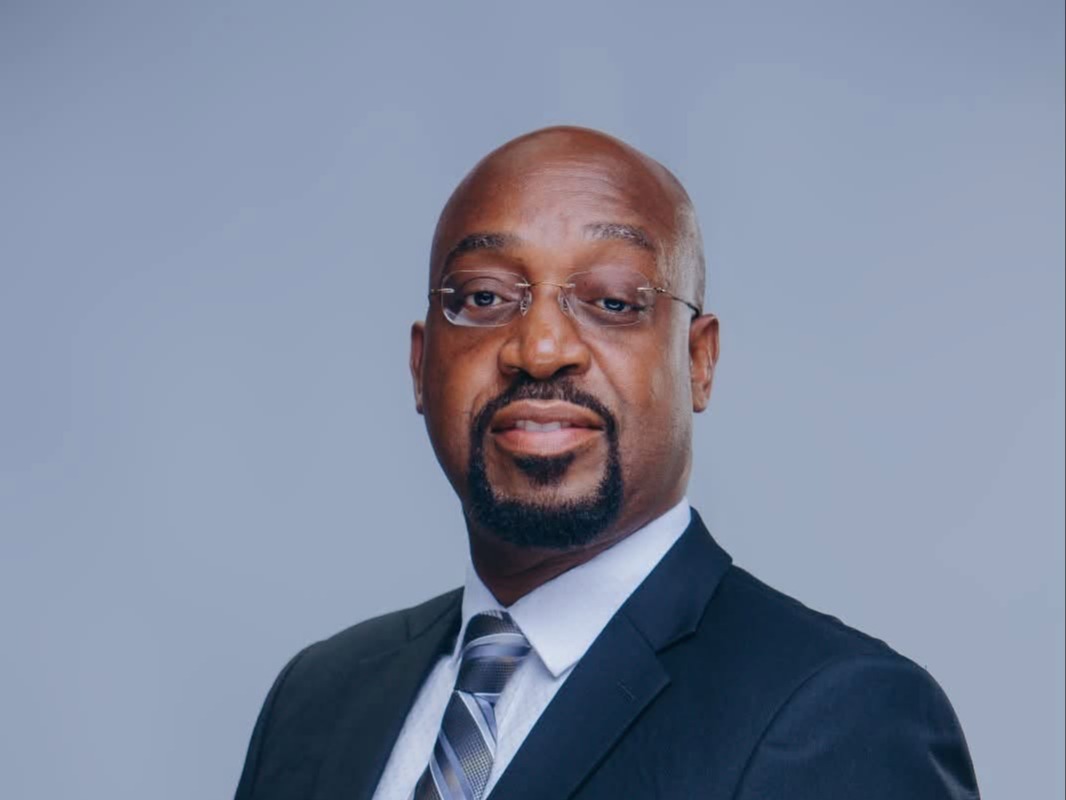
Former acting PF president Given Lubinda has called for a post-election national dialogue focused on transparency, constitutional rights and the rule of law, saying Zambia must emerge from the 2026 elections more united and confident in its institutions.
In a lengthy statement issued on Wednesday, Lubinda addressed a series of contentious issues arising from the election period, including the closure of the courts during the presidential election petition window, arrests over alleged national-security offences, the death of former minister Mutotwe Kafwaya and the recent arrest of Lusaka Archbishop Dr Alick Banda.
His central message was that political victory must not be treated as ownership of the country.
“Zambia belongs to all of us,” Lubinda said, arguing that elections determine who governs but do not remove the constitutional rights of citizens who disagree with those in power.
He called on Government, opposition parties, civil society, the Church and citizens to operate within the Constitution while allowing institutions established by law to perform their roles independently.
Questions over access to the courts
Lubinda devoted significant attention to the closure of courts on August 24, during the final days of the constitutional period for challenging the presidential election.
The Constitutional Court, High Court, Supreme Court and other courts were closed and cordoned off by security personnel amid stated security concerns. The International Commission of Jurists and other rights organisations have separately raised concerns about the closure and its effect on access to justice.
Lubinda stopped short of alleging that the security concerns were fabricated or that the closure was unlawful.
Instead, he called for Government to explain the legal basis for the closure, the nature of the security threat, how it was assessed and what measures were put in place to ensure citizens could still exercise their constitutional rights.
Under Article 103, a presidential election petition must be filed within the constitutionally prescribed period, while the Constitutional Court is required to hear and determine it within 14 days.
“Silence cannot provide lasting confidence. Transparency can,” Lubinda said.
Treason cases and detention
The former government minister also addressed arrests linked to allegations of treason and other national-security offences.
He stressed that such allegations must be investigated seriously but warned against allowing the gravity of the accusations to become a substitute for evidence.
“An allegation is not a conviction. An accusation is not proof,” he said.
Lubinda called for suspects to have access to legal representation and judicial oversight, while urging prosecutors and investigators to move cases forward where evidence and the law justify prosecution.
He also questioned how long suspects can lawfully remain in custody while investigations continue, arguing that liberty should not become indefinitely subordinate to administrative delays.
Lubinda calls for answers over Kafwaya death
Lubinda also called for an independent and lawful process to establish the circumstances surrounding the death of former minister Mutotwe Kafwaya.
Kafwaya was shot and killed on August 14 during a security operation in Lusaka, according to Amnesty International, which has called for a prompt, independent and transparent investigation. Authorities subsequently confirmed his death five days later.
Lubinda said the public should not be asked to accept competing accounts before the facts have been established.
He called for an appropriate inquest or other independent inquiry to determine what happened, who was present, the circumstances surrounding the use of force and how Kafwaya died.
“The Kafwaya family deserves answers. They deserve justice,” he said.
Archbishop Banda's overnight detention
Lubinda also revisited the detention of Archbishop Alick Banda following his arrest by the Drug Enforcement Commission over alleged possession of property reasonably believed to have been unlawfully obtained.
Banda pleaded not guilty and was granted K80,000 bail by the Lusaka Magistrates' Court, with three working sureties and an order to surrender his travel documents. He nevertheless spent the night at Chimbokaila because the bail formalities were not completed in time. He was released the following day after meeting the conditions.
Lubinda said the overnight detention raised questions about how bail conditions are administered, while maintaining that nobody, including the Archbishop, is above the law.
Seven demands
Lubinda called on Government to provide a public account of the circumstances surrounding the court closures, provide lawful information about national-security allegations where disclosure is possible, protect due process for detained suspects and ensure allegations against political actors are tested through evidence and the courts.
He also called for an independent inquiry into Kafwaya's death, reforms to strengthen the electoral system and reassurance that national security would be pursued alongside constitutional rights.
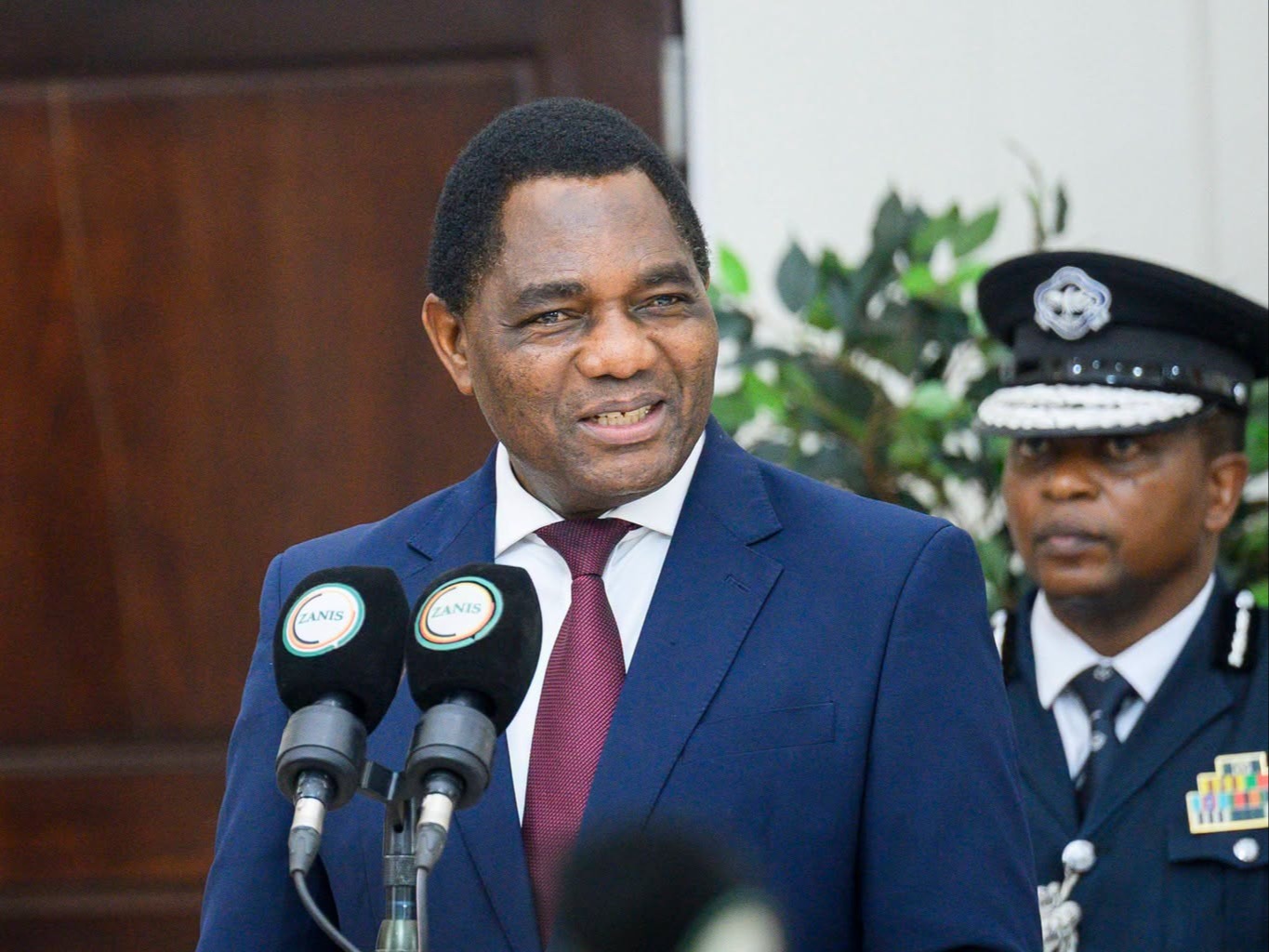
His appeal was ultimately directed at President Hakainde Hichilema.
Lubinda said the President's renewed mandate carries a responsibility to govern all Zambians, including those who disagree with the Government.
“The Government has a mandate. But a constitutional mandate is not a licence to disregard constitutional limits,” he said.
He also acknowledged that opposition parties, civil society, the media, faith communities and citizens have responsibilities to operate within the law.
For Lubinda, the central issue is therefore not simply what happened during and after the election, but whether Zambia's institutions can command public confidence when political tensions are high.
His closing message returned to the theme that runs through the entire statement- “Zambia belongs to all of us.”
Stay with MUVI
Follow our reporting wherever you are