Health
More Young Zambians Are Suffering Strokes
By MUVI Editorial·October 10, 2026
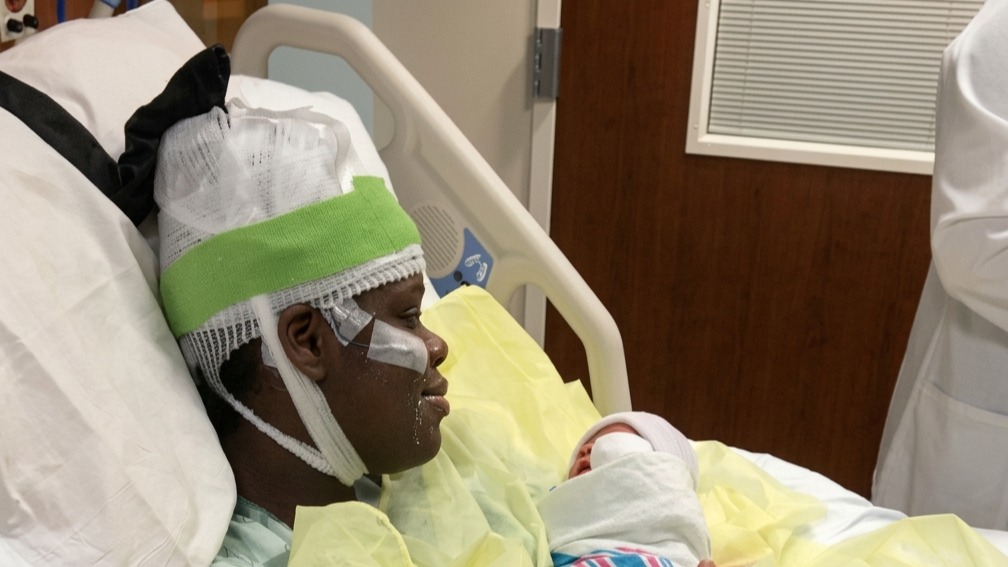
For many years, stroke has been regarded as a condition that primarily affects older people. But medical research in Zambia is challenging that assumption, revealing that young adults are also suffering strokes, sometimes with devastating consequences.
Imagine a young professional in their thirties, building a career, raising a family and planning for the future. Then, without warning, they suddenly struggle to speak, lose movement in one arm or collapse.
Within minutes, their life could change forever.
This is the reality of stroke, a medical emergency that does not discriminate by age.
One In Three Stroke Patients Studied Was 50 Or Younger
Research conducted at the University Teaching Hospital (UTH) in Lusaka provides important insight into the problem.
A study examining 323 stroke patients admitted between October 2018 and April 2019 found that 106 patients, approximately 33%, were aged 50 or below.
Even more strikingly, younger adults accounted for 53% of patients with haemorrhagic strokes, a particularly dangerous type of stroke involving bleeding in the brain.
The findings demonstrate that stroke is not exclusively a disease of old age. However, because the research examined patients at one hospital during a specific period, it does not establish that strokes among young Zambians are increasing nationally.
What Exactly Is A Stroke?
A stroke occurs when blood supply to part of the brain is interrupted.
This can happen when a blood clot blocks a blood vessel, preventing oxygen from reaching brain tissue. It can also occur when a blood vessel ruptures, causing bleeding inside the brain.
Without oxygen, brain cells begin to die, potentially resulting in paralysis, difficulty speaking, memory problems, permanent disability or death.
According to the World Health Organization, stroke is one of the leading causes of death and disability worldwide.
Although older adults face greater risks, younger people are not immune.
The Silent Danger: High Blood Pressure
One of the most significant risk factors for stroke is hypertension, commonly known as high blood pressure.
What makes hypertension particularly dangerous is that many people experience no obvious symptoms.
Someone can feel perfectly healthy while elevated blood pressure gradually damages their blood vessels.
In another UTH study involving 324 stroke patients, researchers found that approximately 80% had hypertension.
This makes regular blood pressure monitoring an important preventive measure, including for young adults who otherwise feel healthy.
Why Are Younger Adults At Risk?
Several factors can contribute to stroke among younger people.
High blood pressure: Uncontrolled hypertension can weaken or damage blood vessels, increasing the risk of blockages and bleeding.
Smoking and excessive alcohol consumption: Both can increase cardiovascular risks, particularly when combined with other health conditions.
Poor diet and physical inactivity: Diets high in salt, excess body weight and insufficient exercise can contribute to hypertension and other conditions associated with stroke.
Diabetes and heart conditions: These can damage blood vessels or increase the likelihood of blood clots.
HIV-related complications: Research from Zambia has also identified an important association between HIV and stroke among younger adults. In the UTH study, 39% of patients aged 50 or below were living with HIV, compared with 12% of older patients. This does not mean everyone living with HIV will suffer a stroke, but it highlights the importance of comprehensive medical care and management of cardiovascular risks.
The Warning Signs Every Zambian Should Know
One of the biggest challenges with stroke is that symptoms can appear suddenly.
Medical professionals encourage the public to recognise the warning signs using the BE FAST approach:
* B — Balance: Sudden dizziness or loss of coordination.
* E — Eyes: Sudden difficulty seeing or loss of vision.
* F — Face: One side of the face suddenly droops.
* A — Arms: Weakness or numbness in an arm.
* S — Speech: Slurred speech or difficulty speaking.
* T — Time: Seek emergency medical attention immediately.
A sudden, unusually severe headache can also be a warning sign, particularly of bleeding in the brain.
Anyone experiencing these symptoms should be taken to an appropriate medical facility urgently.
Do not wait for the symptoms to disappear. Even temporary symptoms can indicate a serious problem requiring immediate assessment.
Can Stroke Be Prevented?
Not every stroke can be prevented, but many risk factors can be reduced.
Regular blood pressure checks are among the simplest and most important steps.
People diagnosed with hypertension should follow their prescribed treatment and attend medical reviews, even when they feel well.
Maintaining a healthy diet, reducing salt consumption, exercising regularly, avoiding tobacco and limiting alcohol can also lower stroke risk.
People living with diabetes, HIV or heart conditions should work with healthcare professionals to manage their overall health and identify additional risk factors.
Early diagnosis and consistent treatment can make a significant difference.
Zambia Must Take Stroke Awareness Seriously
The consequences of stroke extend beyond the individual patient.
When a young adult suffers a severe stroke, families can lose an important source of income. Children may suddenly require additional care, while relatives take on financial and caregiving responsibilities.
Survivors may face months or years of rehabilitation, and some never fully regain their independence.
This makes stroke prevention and treatment both a public health concern and a socioeconomic issue.
Zambia needs greater awareness of hypertension, accessible screening services, faster recognition of stroke symptoms and timely emergency treatment.
The research conducted at UTH is a reminder that stroke prevention should not begin only when people reach old age.
The Message To Young Zambians
You may be 25, 30 or 40.
You may exercise occasionally, work long hours and feel perfectly healthy.
But none of these things guarantees protection against stroke.
Know your blood pressure. Understand your risk factors. Recognise the warning signs.
Because when it comes to stroke, being young does not mean being safe.
And sometimes, the difference between life and death is how quickly someone recognises that something is wrong.
Photo Source: CNN
Stay with MUVI
Follow our reporting wherever you are