Mining
The hidden dangers of illegal mining in Zambia, and why the risk is growing
·September 9, 2026
Illegal mining continues to pose serious dangers to communities and the environment across different parts of Zambia, and two fatal accidents in the space of little more than a week have shown just how real those dangers are. Understanding what actually makes illegal mining so dangerous, to the miners themselves and to the land and water around them, helps explain why authorities are treating this as a growing national concern rather than a series of isolated incidents.
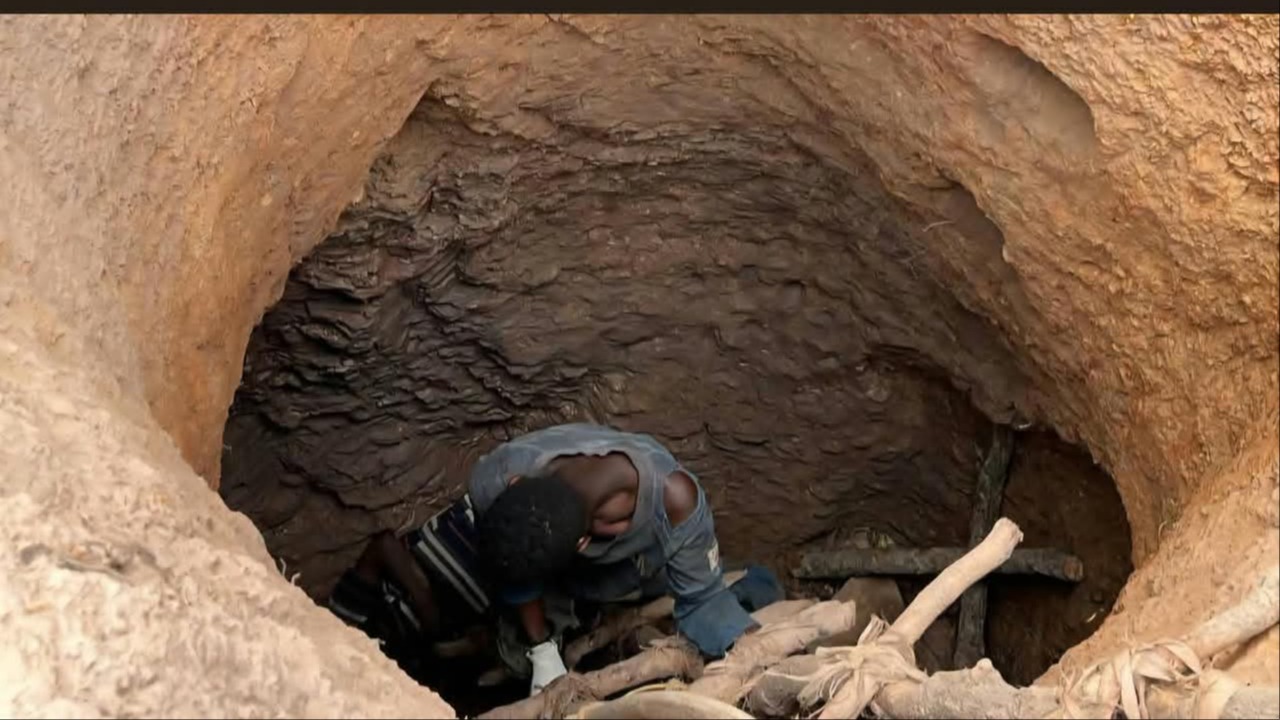
Illegal mining activities are typically carried out without proper safety measures, putting the people doing the digging at direct risk of mine collapses, suffocation, injury and death. Two recent accidents illustrate exactly how that risk plays out underground.
In Milenge District, Luapula Province, four people died and one survived after an accident at the Kalali Resettlement Scheme. Luapula Province Permanent Secretary Prudence Chinama-Kangwa said the five had been mining in a pit roughly 20 metres deep, connected by tunnels, when the accident happened. Preliminary findings suggest the victims died from suffocation, caused by dangerously low oxygen levels inside the pit, worsened by the fact that a generator and water pump had also been taken underground with them. The bodies have since been retrieved, and the survivor is being treated at Samfya District Hospital.
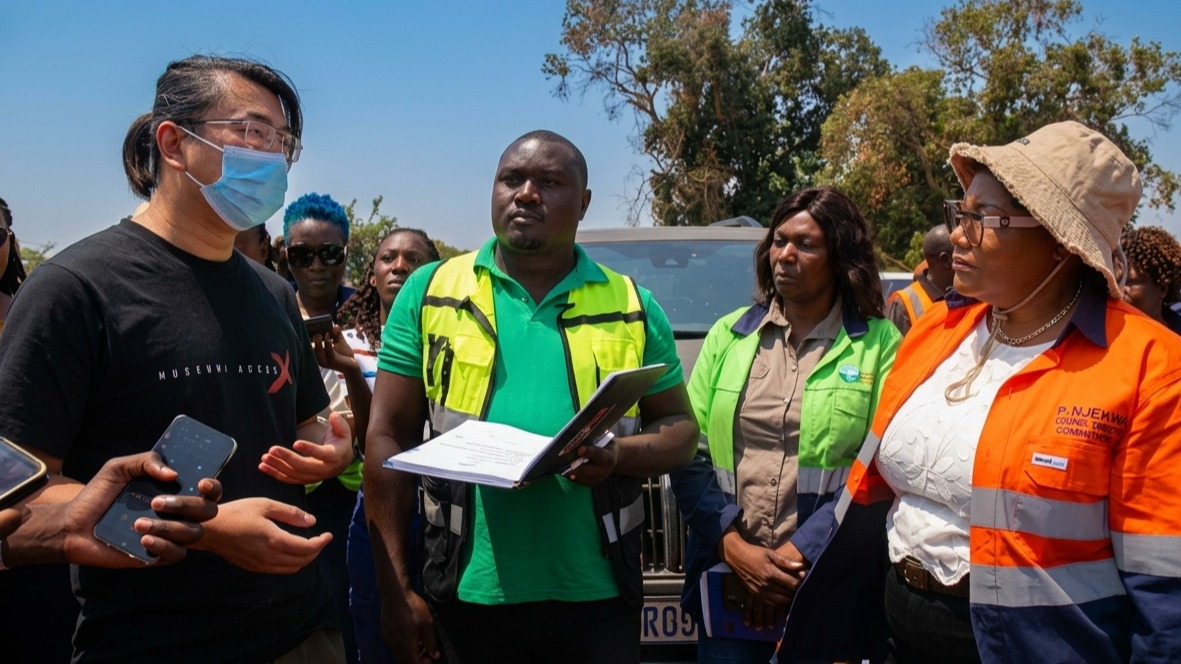
Days earlier, in Central Province, four illegal miners died at Mulaushi Mine in the Katikulula Resettlement Area. Deputy Inspector General of Police Fred Hamaamba, who visited the site afterward, said the sites involved were unsafe and warned that continued mining without appropriate protective clothing and safety equipment exposed miners to avoidable risk of serious injury or death. In the aftermath, police removed an estimated 10,000 illegal miners from the resettlement area altogether, and arrested 29 people who continued mining without documentation despite the warning.
Both accidents point to the same underlying problem, unregulated sites with no enforced safety standards, where basic protections like structural support, ventilation and protective equipment are often absent entirely.
THE DANGER TO THE ENVIRONMENT
Beyond the immediate risk to human life, illegal mining also causes lasting damage to land and water. The activity is closely linked to land degradation and the destruction of forests and other natural resources, as unregulated digging strips vegetation and topsoil without any requirement for rehabilitation afterward. The use of dangerous chemicals in processing minerals, combined with poor waste disposal, can contaminate rivers and other water sources that communities rely on for drinking, farming and livestock, turning an immediate safety hazard into a longer-term public health and food security concern for entire communities downstream.
WHY THE PROBLEM APPEARS TO BE GROWING
Officials say the risk is not static. Mkushi Police Station Officer-in-Charge Judith Mfune said the district had recorded a rise in illegal mining activity, particularly during the recently concluded election period, prompting the District Joint Operations Committee to run joint operations specifically aimed at curbing it. Speaking on behalf of Inspector General of Police Graphel Musamba during an inspection of Mkushi and Chitambo Districts, Hamaamba warned illegal miners operating in Central Province to vacate mining areas immediately or face intensified police operations. "The Police have a duty to protect mineral deposits from being exploited by illegal miners," he said. "A permanent solution will be devised, and more Police officers will be deployed to the area to stop the illegality."
WHAT AUTHORITIES ARE ASKING FOR
Authorities have consistently urged illegal miners to formalise their operations and follow required legal and safety standards rather than operate outside the law entirely. Chinama-Kangwa, addressing the Luapula accident, urged miners to formalise their operations and follow proper safety procedures going forward. Communities have separately been urged to avoid entering abandoned or unsafe mining areas, and to report illegal mining activity to authorities where they encounter it, both to prevent further deaths and to limit the environmental damage that follows in these sites' wake.
With two fatal accidents claiming eight lives between them in barely more than a week, officials say the pattern underscores an urgent need for stronger enforcement, and for miners themselves to recognise that operating outside the law carries a cost that, as recent events show, can be fatal.
Stay with MUVI
Follow our reporting wherever you are