Politics
The Women Who Helped Win Zambia’s Independence — But Are Often Left Out Of The Story
By MUVI Editorial·October 24, 2026
When Zambia’s independence struggle is remembered, names such as Kenneth Kaunda, Simon Mwansa Kapwepwe and Harry Mwaanga Nkumbula often dominate the story. But alongside those men were women who organised protests, carried messages, raised money, sheltered activists, mobilised communities and confronted the colonial authorities themselves.
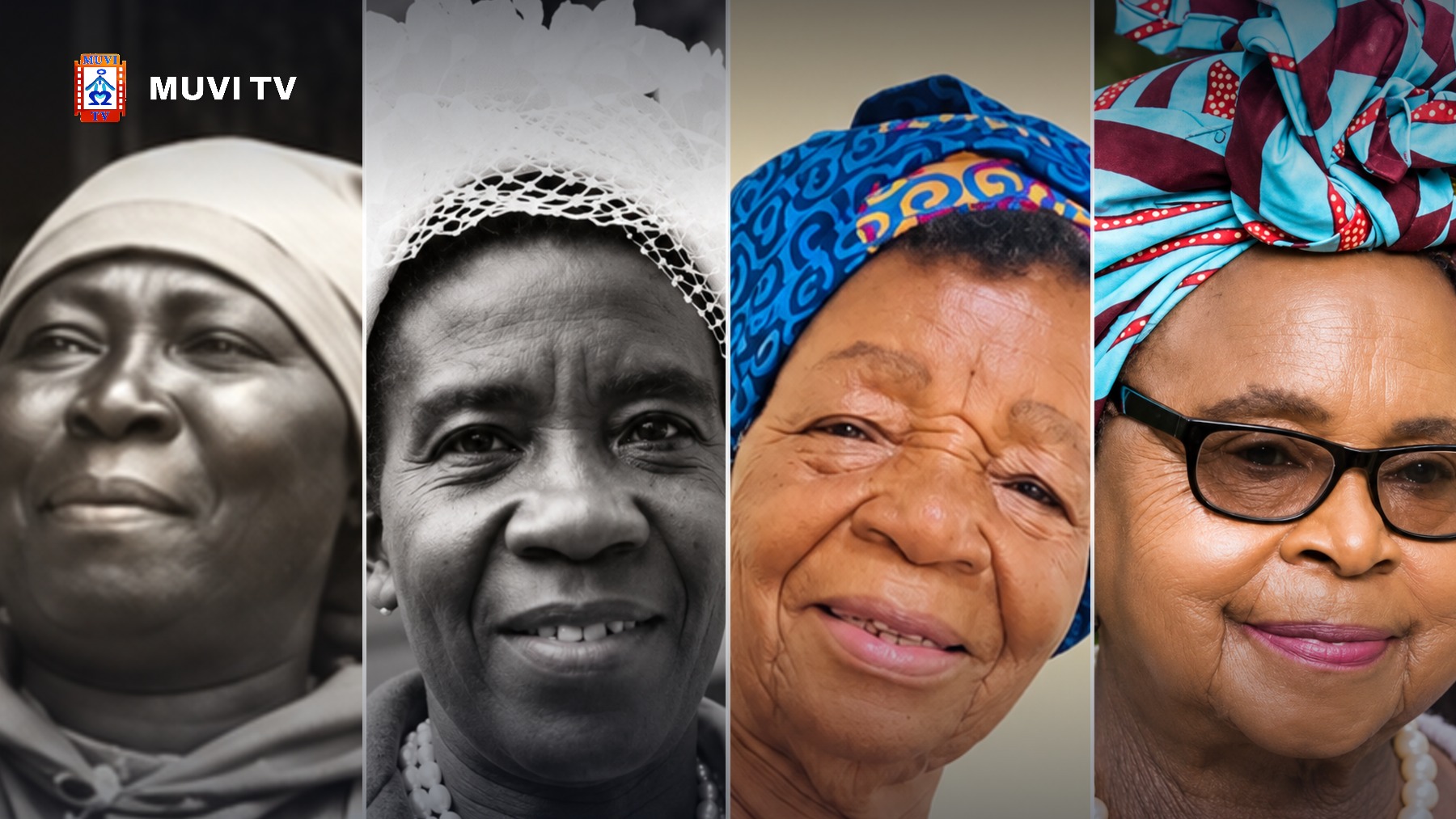
One of the most prominent was Julia “Mama” Chikamoneka. She mobilised women in Lusaka, organised demonstrations and encouraged resistance to racial discrimination.
In one of the most memorable protests of the independence era, she and other women bared their breasts before colonial officials — a powerful traditional expression of outrage and defiance.
Another was Betty Chilombo Chilunga, a teacher and freedom fighter whose home in Zambezi became a meeting place for nationalist activists. Chilunga recalled standing guard outside political meetings with her baby on her back, using coded knocks to warn those inside when danger approached.
She also mobilised women through local women’s clubs and participated in the Cha-Cha-Cha campaign, including organising women to burn colonial documents that restricted Africans’ movement.
Women sustained the struggle in many other ways that rarely made headlines. They carried information, prepared food for activists and detainees, provided shelter, raised funds and recruited others into the nationalist movement. Some performed these roles while raising children and working as teachers, traders and farmers.
Women such as Chibesa Kankasa and Nakatindi Nganga would also become important figures in Zambia’s political life, helping demonstrate that women were not merely supporting characters in the struggle. They were organisers, political actors and nation builders in their own right.
Yet much of Zambia’s independence history has traditionally centred on male leaders. The contribution of women at grassroots level — in homes, markets, villages and political organisations — has often received far less attention.
So when Zambia celebrates independence, the story is not only about the men whose names eventually appeared on roads, airports and public buildings.
It is also about women like Julia Chikamoneka and Betty Chilunga, and many others whose names are less familiar, who organised, protested, hid activists, carried messages and took enormous risks for a country that did not yet exist.
Photo, from left: Julia Chikamoneka, Princess Nakatindi Nganga, Betty Chilunga and Chibesa “Mama” Kankasa.
Stay with MUVI
Follow our reporting wherever you are