Africa
US Revives Health Deal Talks With Ghana
By Muvi TV News Desk·October 13, 2026
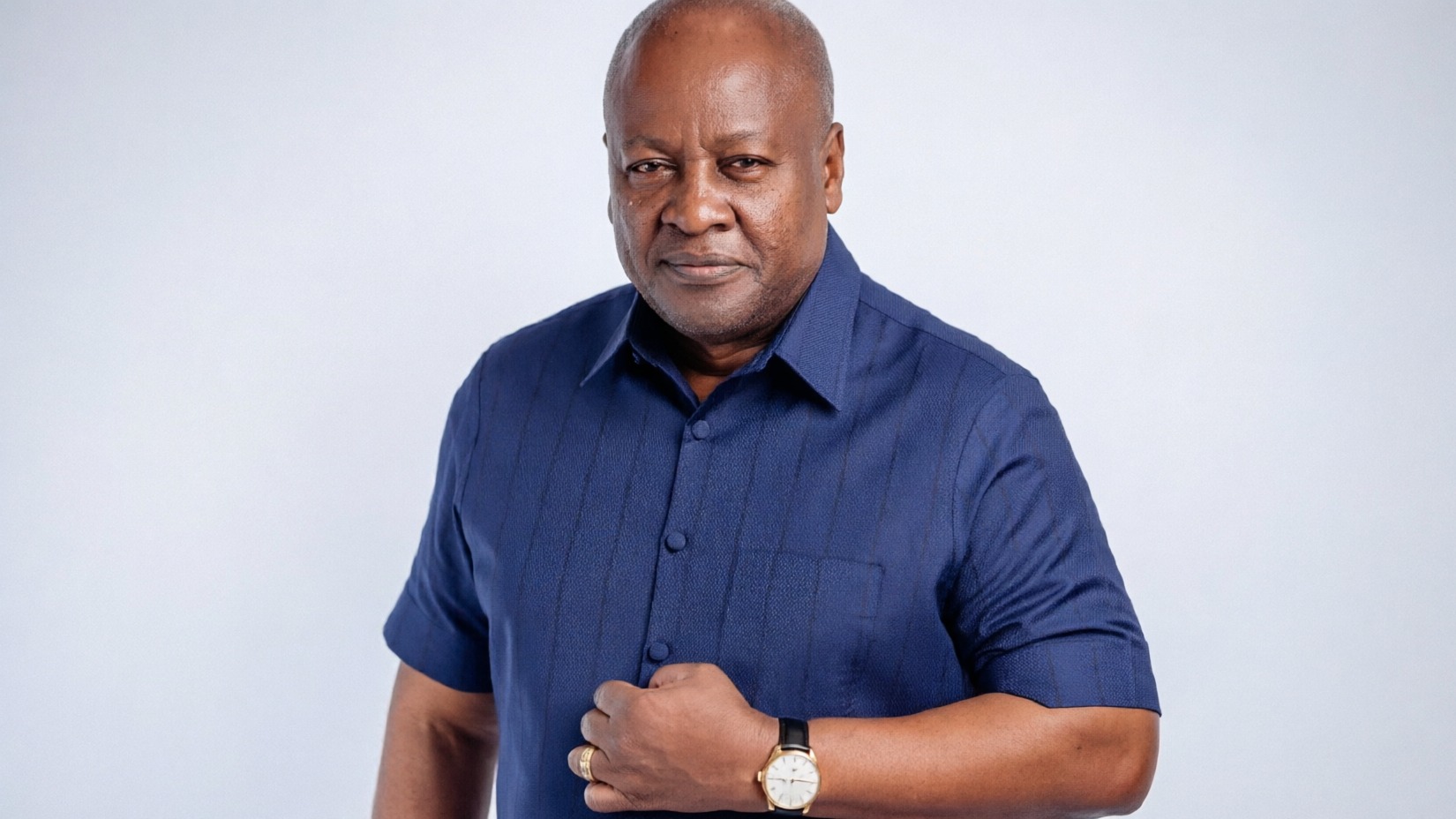
The United States has approached Ghana to reopen negotiations over a proposed US$109 million health financing agreement, months after President John Dramani Mahama’s government rejected the original offer over concerns about access to sensitive health information and other conditions.
The renewed engagement creates a possible path to an agreement, but Ghana has not announced that it will sign. President Mahama says Washington wants the two sides to review provisions Ghana previously objected to, with the possibility of amending or removing them.
The development comes just days after Zambia signed a revised health financing pact with the US, following negotiations that resulted in the removal of controversial clauses on sharing medical specimens and individual patient data.
The two countries’ experiences highlight a key question surrounding Washington’s new health financing arrangements across Africa: can governments secure American support without accepting conditions they consider a threat to their data privacy, regulatory authority or national interests?
Speaking during a citizens’ engagement in Goaso on October 10, Mahama said the US had returned to Ghana seeking further discussions on the rejected agreement.
“I have spoken about it at the time I was in New York, however they have come again and they want us to sit down and review the agreement, so that things that we are not happy about they would either change them or remove them,” he said, according to the Ghana News Agency.
The proposed compact was intended to provide approximately US$109 million in American health assistance over five years.
Ghana rejected the original terms after raising concerns about provisions requiring access to national pathogen profiles and citizens’ private medical records. The government also questioned its proposed financial commitments and provisions affecting the authority of Ghana’s Food and Drugs Authority to inspect medicines and other medical products.
The rejection put Ghana among the African countries that have pushed back against aspects of the US administration’s revised approach to international health assistance.
Now, with Washington seeking another round of discussions, the possibility of a deal remains open. But the crucial issue is whether the revised terms will address the concerns that led Ghana to reject the original proposal.
Zambia’s negotiations provide a recent example of how such disagreements can affect the final agreement.
On October 8, Zambia and the US signed a five-year health financing pact valued at US$2.49 billion. The US is contributing US$1.52 billion, while Zambia has committed US$975 million to its health system.
The agreement followed negotiations over provisions that had raised concerns about sharing medical specimens and patient data. Those clauses were removed from the final pact, with Health Minister Roma Chilengi confirming that Zambia would not be required to share specimens under the agreement.
The final deal is smaller than the US$3.6 billion figure discussed publicly earlier in the week, underlining the importance of distinguishing preliminary estimates from the value of the signed agreement.
Zambia’s outcome does not mean Ghana will automatically secure the same changes. The agreements are negotiated separately, and their final terms depend on the discussions between each government and Washington.
But Zambia’s experience shows that objections to specific clauses do not necessarily end the prospect of US health financing. They can become part of negotiations over what a country is willing to accept.
For Ghana, the proposed US$109 million could support important health programmes at a time when the country is navigating changes in the international aid system. Rejecting funding also carries potential costs if existing programmes face financing gaps.
Yet the amount on offer cannot be considered in isolation from the obligations attached to it.
Pathogen profiles and individual medical records are not the same thing. Information about pathogens can help researchers and public health authorities monitor disease threats and respond to outbreaks. Individual medical records, meanwhile, can contain private information about identifiable patients and require strong protections against inappropriate access or use.
The central issue is not whether countries should ever share health information. International cooperation can be essential to detecting and controlling infectious diseases. The question is what information is shared, who can access it, for what purpose, under whose oversight and with what safeguards.
Ghana’s concerns about financing obligations and the authority of its medicines regulator also matter. Any final agreement will need to make clear what Ghana must contribute, how the funding will be used and whether its national regulatory institutions retain the powers the government considers necessary.
These are questions that cannot be settled by the headline funding figure alone.
Mahama’s announcement signals a reopening of discussions, not a completed agreement. Neither the final terms nor a signing date has been announced.
For Ghana, the next step is to determine whether Washington is prepared to make changes that satisfy the government’s concerns while preserving the health support the agreement is intended to provide.
Zambia’s revised pact gives Ghana a recent regional example of contentious data-sharing provisions being removed during negotiations. It does not guarantee the same outcome, but it provides a concrete point of comparison as the two sides return to the table.
If Ghana eventually signs, the significance will lie not simply in securing US$109 million, but in whether the revised agreement establishes clear safeguards for health information, protects national regulatory authority and sets out transparent financial obligations.
For now, the US has reopened the door. Whether Ghana walks through it will depend on the terms Washington is willing to put on the table.
Stay with MUVI
Follow our reporting wherever you are