Health
When “Be Strong” Isn’t Enough. Can We Break the Mental Health Stigma?
·September 10, 2026
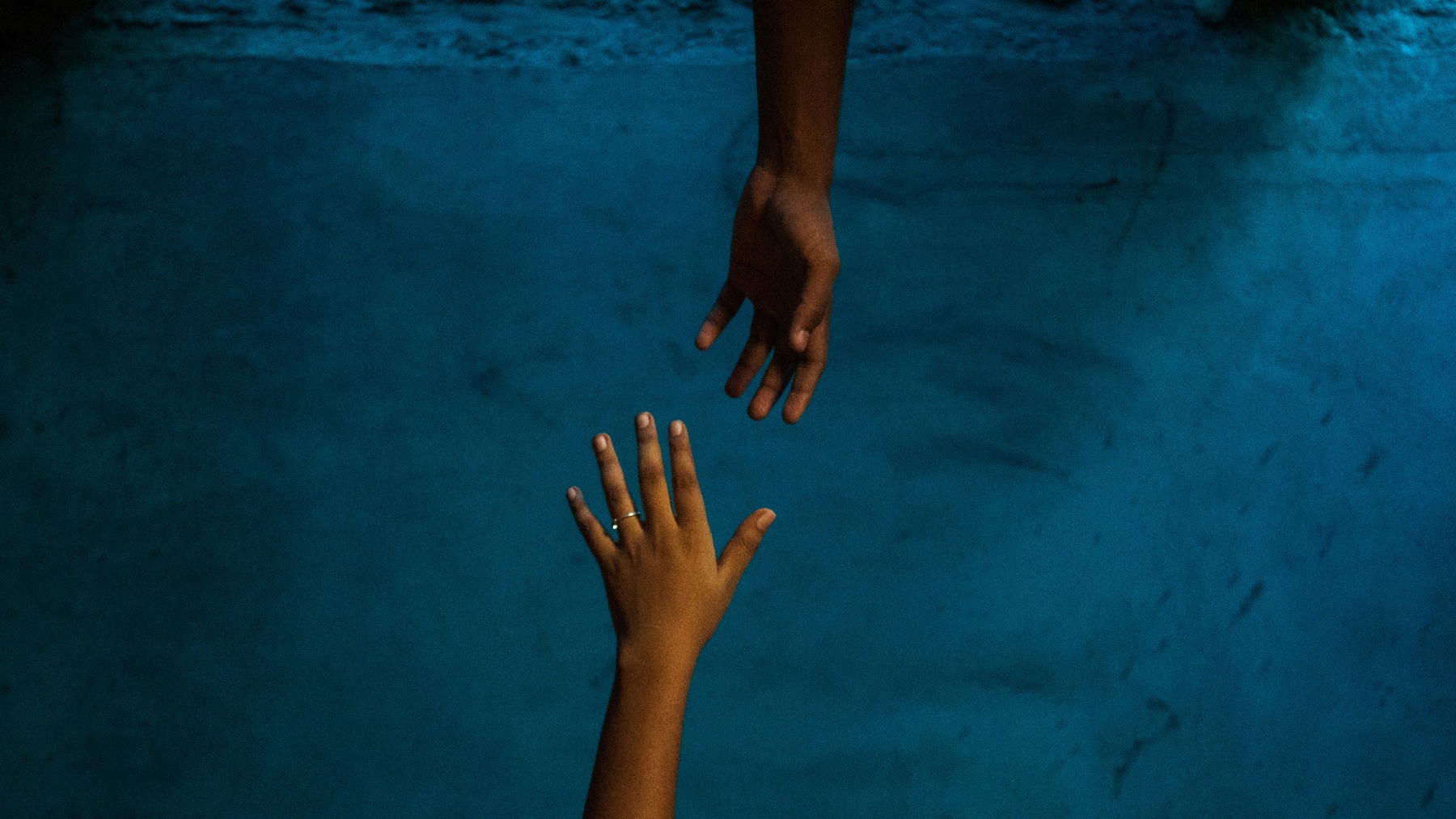
There is a particular kind of silence that settles over a Zambian household when someone is struggling on the inside. It is not always hostile. Often it is well-meaning, a mother who tells her son to pray harder, an uncle who says he is "just being lazy," a church that offers deliverance instead of a listening ear. Nobody in that room means harm. But the silence itself, the sense that some things simply are not discussed, can be its own kind of danger.
Today, 10 September, is World Suicide Prevention Day, marking the final year of a three-year global theme, "Changing the Narrative on Suicide," with a simple, direct call to action. Which is start the conversation.
WHY THE CONVERSATION MATTERS AS MUCH AS THE CARE
Suicide is not, researchers stress, a sign of weakness, selfishness, or moral failing. It is most closely associated with treatable conditions, depression and alcohol use disorder chief among them, alongside chronic physical illness that wears a person down over time.
A national study of suicidal behaviour in Zambia found measurable rates of suicidal thinking, planning and attempts among adults, consistent with patterns seen across other low- and middle-income countries, where researchers note four in five of the world's suicide deaths occur. What the same body of research consistently finds is that only a fraction of people who attempt suicide, roughly a third to two-fifths globally, ever seek any kind of help beforehand. The gap is not usually about care being unavailable. It is about people not feeling able to ask.
WHAT SILENCE ACTUALLY COSTS
Picture a young man in his final year of secondary school, quietly withdrawing from friends, sleeping too much or too little, no longer interested in things he once loved. In many Zambian communities, those changes might be read as attitude, laziness, or a phase, rather than what mental health professionals would recognise as warning signs worth taking seriously.
Picture a woman carrying the weight of a difficult marriage or the loss of a child, told repeatedly to be strong, to pray, to endure, because openly naming her pain risks being seen as weak, cursed, or attention-seeking. These are not unusual stories. They are, for many Zambian families, uncomfortably familiar ones, illustrative of a pattern rather than any one person's specific experience.
The stigma runs in more than one direction. It silences the person struggling, who fears judgment, shame or spiritual blame more than they fear their own pain. And it silences everyone around them, family members who notice something is wrong but do not know how, or feel entitled, to ask directly.
Research and reporting on the issue across the region consistently point to the same compounding factors, limited access to mental health care, particularly outside major towns, financial and economic strain, and a cultural instinct to treat emotional distress as a private failing rather than a health condition deserving of care.
WHAT "STARTING THE CONVERSATION" ACTUALLY LOOKS LIKE
Changing that culture does not require every Zambian to become a counsellor. Mental health advocates consistently point to something far simpler and more achievable, noticing, asking directly, and listening without rushing to fix or judge.
Asking someone plainly whether they are okay, and truly listening to the answer, does not increase risk, contrary to a persistent myth; it is, in fact, one of the most protective things another person can do. Recognising warning signs, withdrawal, hopelessness, talk of being a burden, sudden calm after a period of visible distress, and taking them seriously rather than dismissing them, matters more than having the perfect words.
If you are struggling, or worried about someone who might be, reaching out to a trusted person, a family member, a friend, a pastor willing to listen without judgment, or the nearest health facility, is a reasonable and important first step. Zambia's Victim Support Unit and local clinics can also help connect people to further support. You are not a burden for asking for help, and you are not alone in needing it.
This story touches on suicide, a sensitive subject. If you are personally experiencing thoughts of suicide or serious emotional distress, please reach out to someone you trust or seek help at your nearest health facility as soon as possible.
You do not have to be in crisis to reach out. If something is weighing on you, if you are struggling, or if you simply need to talk to someone, help is available and it is free.
Young people can call ChildLine on 116.
Adults can call LifeLine on 933.
Both lines are open 24 hours a day, every day, and are free from Airtel, MTN and Zamtel. Counselling is available in Bemba, Nyanja, Lozi, Tonga and English.
Stay with MUVI
Follow our reporting wherever you are