Opinion
Why Politicians Dance at Campaign Rallies – The Strategy Behind the Moves
By Muvi TV News Desk·July 18, 2026
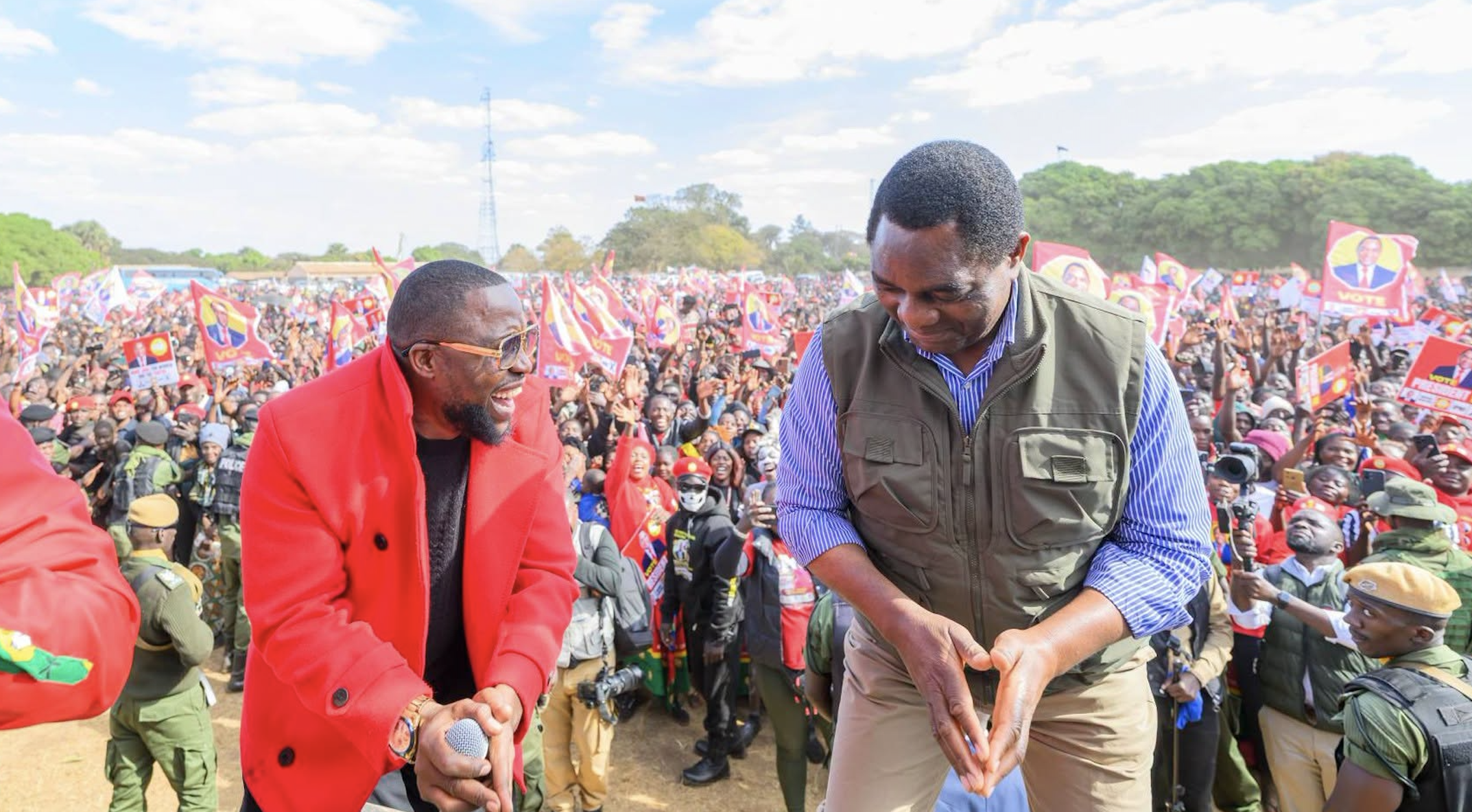
If you've attended a political rally in Zambia, one thing is almost guaranteed before the speeches begin: the politicians will dance.
Whether it's President Hakainde Hichilema, Brian Mundubile, Late former President Dr Edgar Lungu in years past, or opposition candidates on the campaign trail today, dancing has become an almost universal feature of election campaigns.
But behind the music lies a carefully understood political strategy.
Political communication experts say that voters rarely make decisions based on policy alone. Emotions play a major role.
Dancing helps politicians appear approachable, confident and energetic. It creates a sense of excitement before speeches begin and signals optimism rather than tension.
In psychology, this is often referred to as emotional contagion—the idea that emotions spread through groups. When supporters are singing, clapping and dancing together, that positive energy can become associated with the candidate.
Campaign rallies bring together people from different backgrounds, many of whom spend their days working hard to earn a living.
By joining supporters in traditional dances or popular local songs, politicians send a simple message:
"I am not above you—I am one of you."
It helps reduce the distance between leaders and ordinary citizens.
Across Africa, politics and music have long gone hand in hand.
Campaign songs are remembered years after elections end. Dancing has become part of political identity, helping parties create memorable moments that supporters carry back into their communities.
In Zambia, campaign songs often become unofficial anthems that continue playing long after polling day.
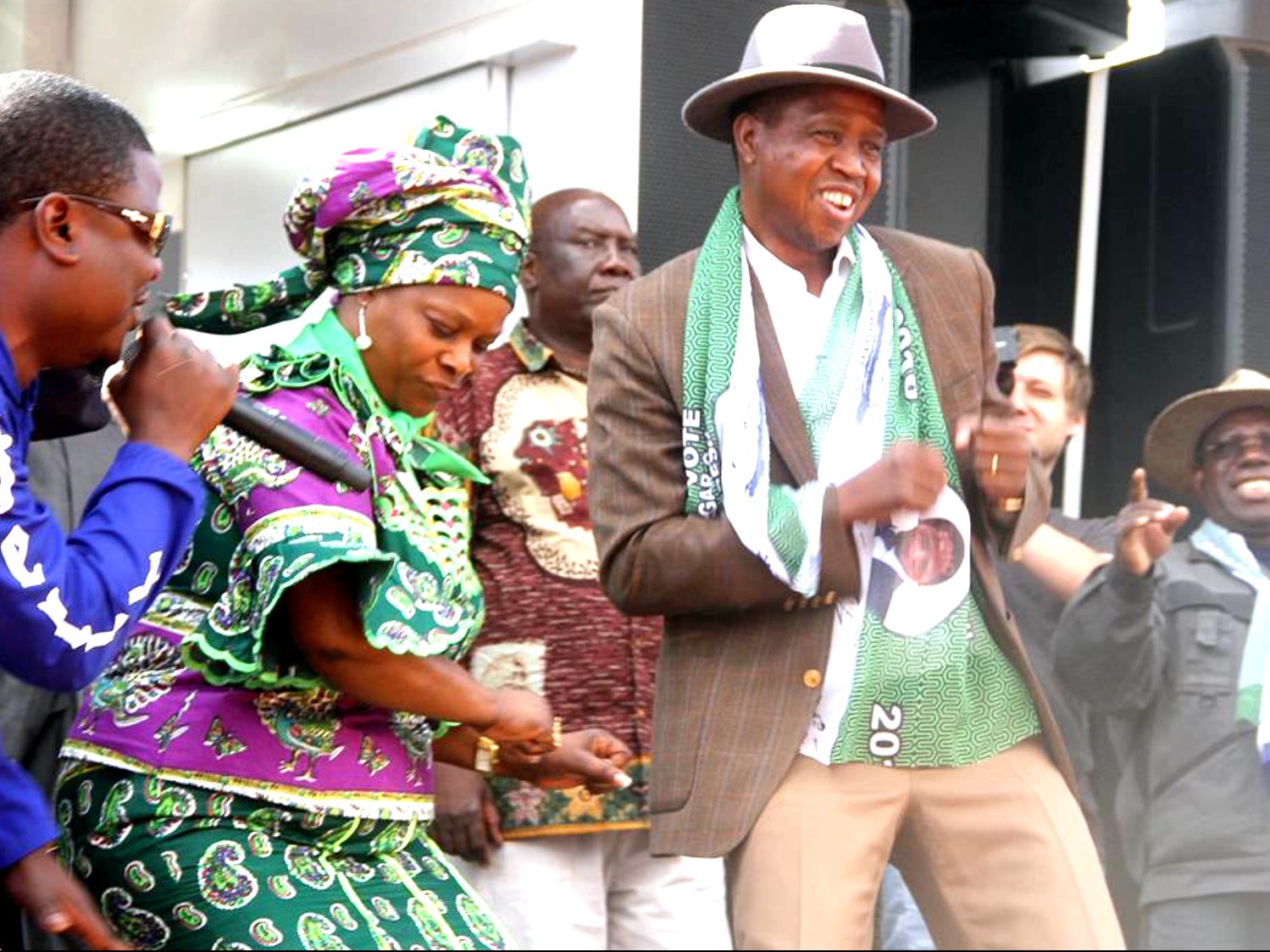
Today, a 30-second dance clip can reach millions of people online.
A speech about taxation may receive little attention on social media, but a politician dancing with supporters can quickly go viral.
Campaign teams understand this reality. Short, energetic videos are more likely to be shared on Facebook, TikTok, Instagram and WhatsApp, giving candidates free publicity beyond the rally itself.
Campaigning is demanding, often involving several rallies in different parts of the country in a single day.
When politicians dance enthusiastically, they project stamina and vitality. Voters may see this as evidence that the candidate has the energy needed for the demands of public office.
While dancing can help candidates connect with voters, some critics argue that campaigns can become too focused on spectacle.
Political analysts caution that entertainment should not replace discussions about key issues such as the economy, education, healthcare, jobs and the cost of living.
Ultimately, voters must weigh both the personality a candidate projects and the policies they promise to deliver.
When politicians dance, they are doing more than entertaining a crowd.
They are building emotional connections, reinforcing their public image, energising supporters and creating memorable moments that extend far beyond the rally grounds.
In modern politics, a dance can be just as much a campaign message as a speech.
Stay with MUVI
Follow our reporting wherever you are