
World
Why Western Governments Are Urging Citizens To Keep Food And Emergency Supplies At Home
·October 31, 2026
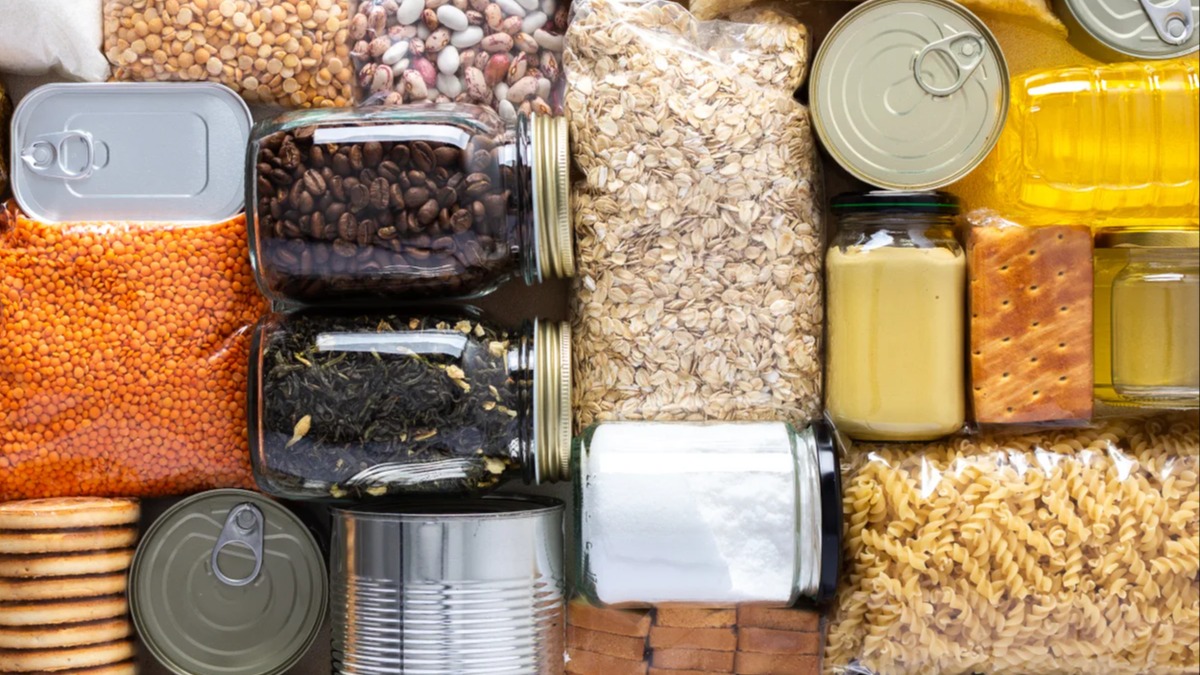
From Britain to the Nordic countries, governments are increasingly asking people to keep basic food, water and other emergency supplies at home.
The advice has raised questions about why citizens are being urged to prepare for possible crises and whether governments are anticipating a major emergency.
The recommendations are part of a wider effort to make households more resilient to disruptions that could affect electricity, water, transport, communications and access to essential goods.
In Britain, the government launched its “Be Ready” campaign on 22 October 2026, encouraging households to keep enough non-perishable food and bottled water to manage for three days if essential services are interrupted.
The campaign follows years of similar advice in other European countries and is intended to help people cope with emergencies while authorities concentrate on those who need immediate assistance.
### A changing security environment
One of the main reasons behind the growing emphasis on preparedness is the changing security situation in Europe.
Russia’s war in Ukraine has increased concerns about the possibility of wider conflict and the vulnerability of critical infrastructure. Governments are also increasingly alert to cyberattacks, sabotage and other forms of disruption that can affect essential services without a conventional military attack.
The European Commission's Preparedness Union Strategy, launched in March 2025, identifies geopolitical tensions, armed conflict, cyber threats, disinformation, climate change and natural disasters among the risks facing the continent.
The strategy includes 30 actions aimed at strengthening Europe's ability to respond to crises. It also encourages households to maintain essential supplies that would allow them to manage independently for at least 72 hours.
Sweden has been particularly direct about the security concerns behind its advice. In November 2024, the government distributed a booklet titled “In Case of Crisis or War” to households across the country.
It warns residents about military threats, terrorism, cyberattacks and disinformation, and says people should be able to manage without outside assistance for at least one week if a serious crisis occurs.
The guidance does not mean an attack is expected. Rather, Swedish authorities say the population must be prepared for the possibility of a crisis or war.
### The threat is not only military
Governments are also concerned about emergencies that can occur without any armed conflict.
Severe storms, floods, wildfires and extreme temperatures can damage infrastructure, interrupt electricity and water supplies, affect mobile networks and make transport difficult.
Britain's latest campaign follows storms that disrupted services during the previous winter and wildfires during the summer of 2026. The government says such events demonstrate how quickly normal daily life can be affected.
Cyberattacks present another risk. A major attack on government systems, banks, telecommunications networks or energy infrastructure could interrupt services people rely on, including digital payments and access to information.
The effects may extend beyond the systems directly targeted. If electricity or communications fail, shops may struggle to operate, electronic payments may become unavailable and households may find it difficult to obtain essential goods.
### Lessons from the pandemic and supply disruptions
The COVID-19 pandemic also exposed how vulnerable modern supply chains can be.
Shortages of medical equipment, food products and other essential goods during the pandemic showed how disruptions in one part of the world can affect supplies elsewhere.
Russia's invasion of Ukraine further highlighted the impact that conflict can have on energy and agricultural markets.
In its 2025 stockpiling strategy, the European Commission said recent crises had demonstrated that access to essential goods could no longer be taken for granted. It called for stronger coordination and strategic reserves of critical materials and supplies.
The concern is that countries and households should not assume that shops, transport networks and delivery systems will continue operating normally during every emergency.
### Why are people being asked to prepare for 72 hours?
The three-day recommendation is based on the need to give emergency services and authorities time to respond when a crisis occurs.
During a major disruption, emergency workers may be dealing with several affected communities at once. Electricity, water and transport systems may also take time to restore.
If households can manage their basic needs for the first 72 hours, emergency services can prioritise people who are injured, vulnerable or unable to look after themselves.
The advice varies between countries. The European Union and Britain recommend at least three days of essential supplies. Denmark also advises households to prepare for three days, while Norway recommends that people keep enough supplies to manage for one week. Sweden's guidance also calls for at least a week's preparedness, while Germany advises households to aim for ten days if possible, noting that even three days of supplies can make a difference.
### What should households keep?
The recommendations generally include drinking water, non-perishable food, essential medicines, first-aid supplies, torches, spare batteries and a battery-powered or wind-up radio.
Households are also encouraged to consider power banks, cash, warm clothing, hygiene products and copies of important documents.
The British guidance recommends three litres of drinking water per person per day, with additional water needed for cooking and washing.
Authorities advise people to build their supplies gradually, using their normal shopping trips rather than buying everything at once. Supplies should be checked regularly and adjusted to household needs, including those of children, older people, people taking medication and pets.
Importantly, the advice is not a call for panic buying or excessive stockpiling.
### Preparing, not predicting
The growing number of preparedness campaigns reflects a recognition that modern societies depend heavily on interconnected systems that can be disrupted by conflict, extreme weather, cyber incidents or technical failures.
For governments, the aim is to reduce the impact of such events by ensuring that citizens know what to do and can manage for a short period without immediate assistance.
The warnings should therefore be understood as precautionary planning rather than proof that a major war or disaster is about to happen.
The message from governments is that while the timing and nature of the next emergency cannot be known, households can take practical steps to reduce their vulnerability when one occurs.
Stay with MUVI
Follow our reporting wherever you are