Environment
WWF ZAMBIA COUNTRY DIRECTOR CALLS FOR URGENT SHIFT FROM BIODIVERSITY COMMITMENTS TO DELIVERY AS NEW AFRICA REVIEW REVEALS PROGRESS AND GAPS
By Pauline Ngozoh·October 30, 2026
By Pauline Ngozoh
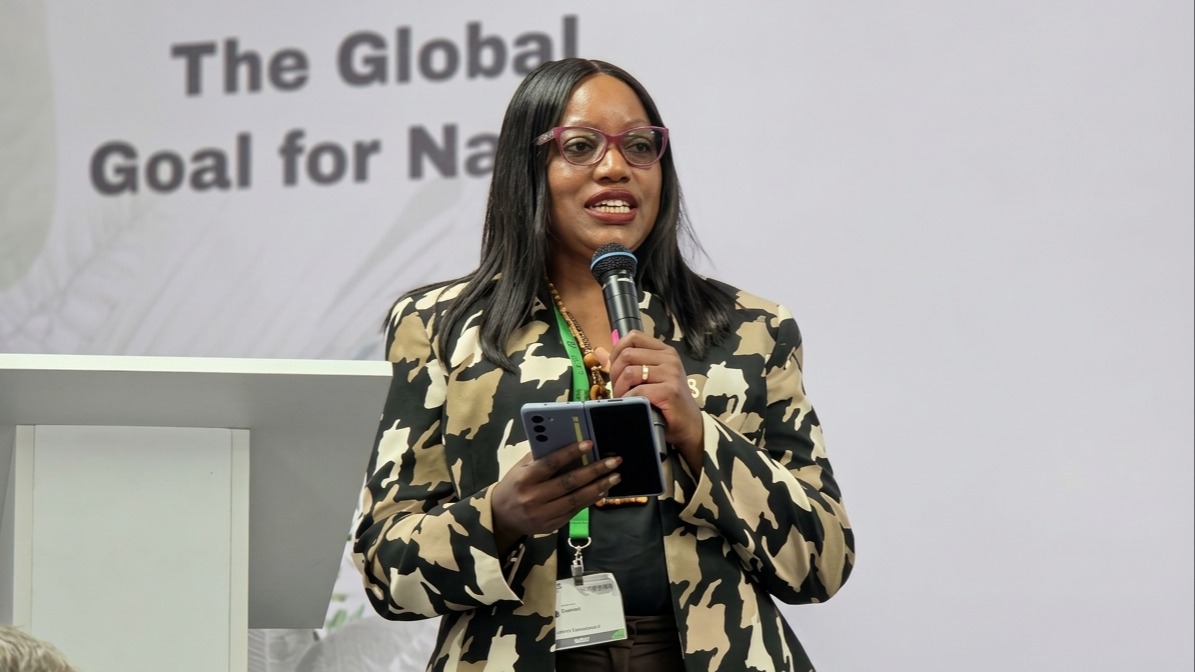
WWF Zambia Country Director, Nalucha Nganga-Ziba, has called for greater action to translate global biodiversity commitments into tangible results for people and nature, as a new WWF Africa Review shows that while biodiversity action is possible, COP17 must unlock delivery.
Ms. Nganga-Ziba was speaking at the ongoing UN Biodiversity Conference (CBD COP17) in Yerevan, Armenia, where she opened the WWF side event titled “From Commitments to Action: What Africa's Seventh National Reports Reveal about Progress on the Global Biodiversity Framework.”
She said the success of the Kunming-Montreal Global Biodiversity Framework (GBF) would be measured not by the commitments made, but by the outcomes delivered for nature and communities. She urged the scaling of successful conservation efforts, strengthening of partnerships, mobilisation of resources, and recognition of Indigenous Peoples and local communities as essential biodiversity partners.
Her remarks were anchored in the findings of the new WWF Africa Review of biodiversity progress across 16 African countries, released as ministers prepared for the COP17 High-Level Segment to inform negotiations on the Global Review, resource mobilisation and accountability mechanisms.
The review, dubbed From Commitments to Action: What Africa's Seventh National Reports Reveal about Progress on the Global Biodiversity Framework, found that governments are increasingly aligning national policies and strategies with the GBF.
The report revealed encouraging political and institutional engagement. Across Africa, 98% of countries have submitted national biodiversity targets, 80% have submitted their Seventh National Reports, and 67% have submitted updated National Biodiversity Strategies and Action Plans.
It further highlighted encouraging examples of action on the continent, including Namibia's community conservancy model which has helped expand conservation across vast landscapes, Senegal's large-scale restoration of degraded land, Madagascar's ecosystem restoration efforts, Cameroon's nearly 400 community forest management plans covering more than 1.4 million hectares, and Uganda's work to restore forests and wetlands while supporting local livelihoods.
Yet the Review warned that these advances conceal a troubling reality — commitments on paper are not consistently translating into tangible improvements for wildlife, ecosystems and communities. It cited financing gaps, limited institutional capacity, weak monitoring systems and challenges in coordinating implementation as key factors slowing progress.
WWF Africa's Head of Policy and Partnerships, Durrel Halleson, said Africa does not suffer from a shortage of biodiversity commitments. He said what is missing is the financing, political determination and accountability needed to turn those commitments into results. He said protecting nature must become a national development priority, backed by budgets, measurable targets and meaningful community participation, and that COP17 must help close the gap between what governments promise and what they deliver.
Ms. Nganga-Ziba said as the world works towards the 2030 biodiversity targets, Africa must be empowered, equipped and supported to lead solutions that respond to its realities, priorities and people.
She reaffirmed that WWF remains committed to working alongside governments, civil society, researchers, development partners and communities to turn biodiversity commitments into action, contributing to a world where people and nature thrive for generations to come.
Stay with MUVI
Follow our reporting wherever you are