World
England's FA Turns on Infantino as FIFA Boycott Standoff Continues
·August 8, 2026
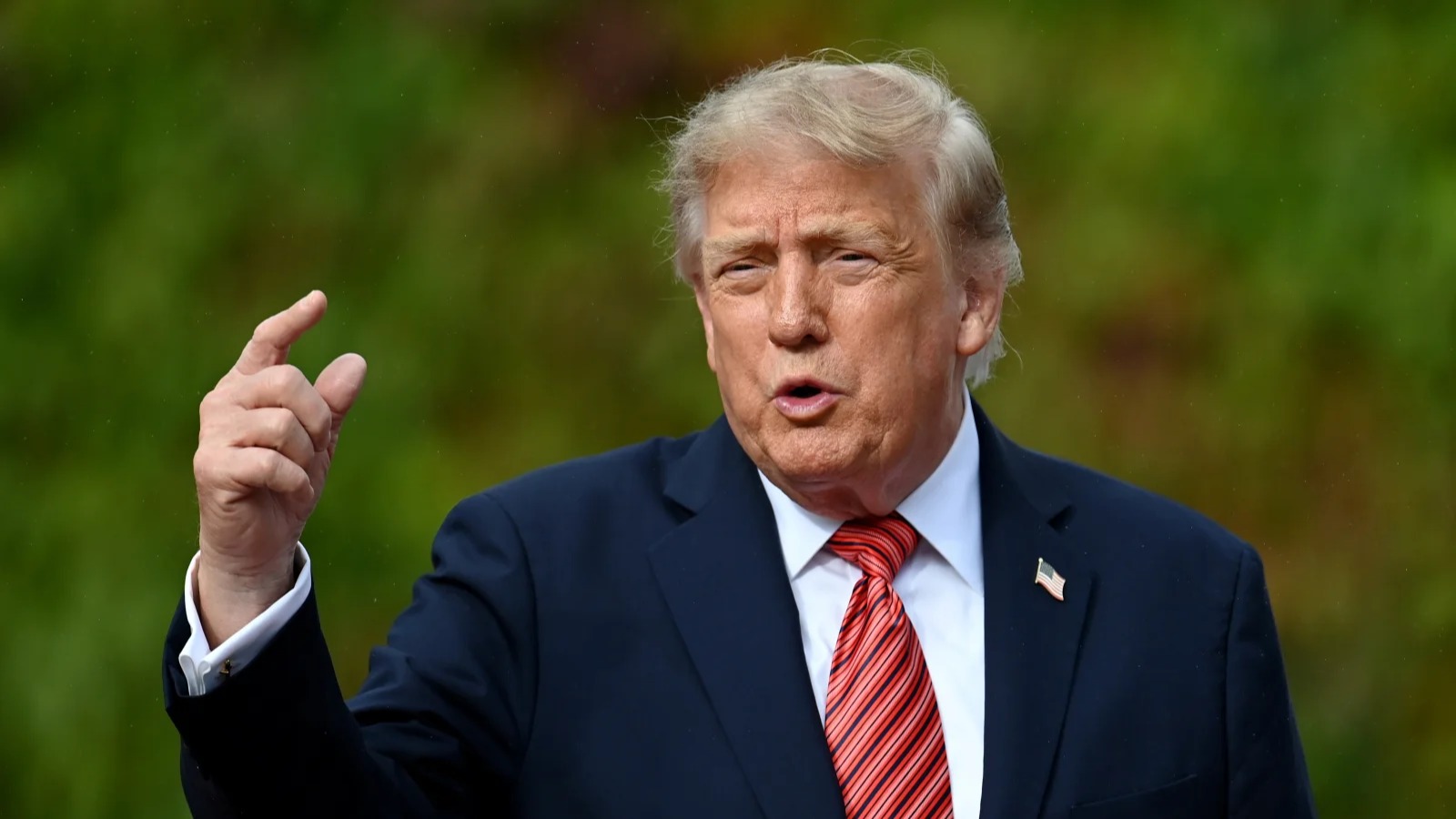
European football's governing body UEFA says its threatened boycott of FIFA competitions, including the World Cup, still stands, even after FIFA president Gianni Infantino abandoned a controversial plan to sell stakes in the tournament to private investors.
The dispute began after Infantino proposed selling minority stakes in World Cups and other FIFA events to private investors through a subsidiary called FIFA Forward Enterprise, reportedly offering member associations $40 million each to back the plan. UEFA's 55 member associations voted unanimously on 30 July to boycott FIFA competitions if the proposal went ahead, calling it a "shabby, back-room, opaque deal." Facing intense and rapid opposition, including the resignation of Infantino adviser Carlos Cordeiro and a wave of criticism from politicians and player unions, FIFA abandoned the plan within days, on 1 August, before it reached a formal vote.
Despite the U-turn, UEFA has refused to stand down. In a statement, the body said Infantino's retreat "changes nothing" and that its conditions for ending the boycott had not been met. "First, the proposals to sell off the major competitions had to be withdrawn," UEFA said, "and secondly, assurances have to be made that such attempts to disfigure the game in this way will never be made again." UEFA said it had lost confidence in Infantino entirely, going beyond opposition to the specific proposal.
FIFA's management board responded by giving Infantino its "full support" despite the controversy. In turn, England's Football Association formally withdrew its backing for Infantino's re-election, which is scheduled for a vote in March 2027, becoming one of the most prominent associations to do so. Players' union FIFPRO also criticised FIFA, alleging an "abuse of presidential power."
Other confederations have been more cautious. CONMEBOL, South America's governing body, said it would not support "any action or procedure that disregards" FIFA's own mechanisms ahead of the presidential election, while national federations including Mexico and Argentina publicly backed Infantino and FIFA's current leadership. Jordan is so far the only federation outside UEFA to say it will not support Infantino's re-election.
Should Infantino refuse to resign, his position would ultimately depend on a formal numbers game: 20 percent of FIFA's 211 member associations, 43 in total, are needed to call an Emergency FIFA Congress, where a vote of no confidence requiring a majority of 106 votes could remove him. UEFA controls a significant bloc but would need support well beyond Europe to reach that threshold.
The standoff faces its first real test soon, with the FIFA Women's Under-20 World Cup set to begin in Poland on 5 September. Six European countries, including England, are due to compete, raising the question of whether UEFA's member associations will actually withdraw from FIFA-run tournaments or allow the boycott threat to lapse in practice.
Stay with MUVI
Follow our reporting wherever you are