Education
The Long Road Back to School for Zambia’s Young Mothers
·September 12, 2026
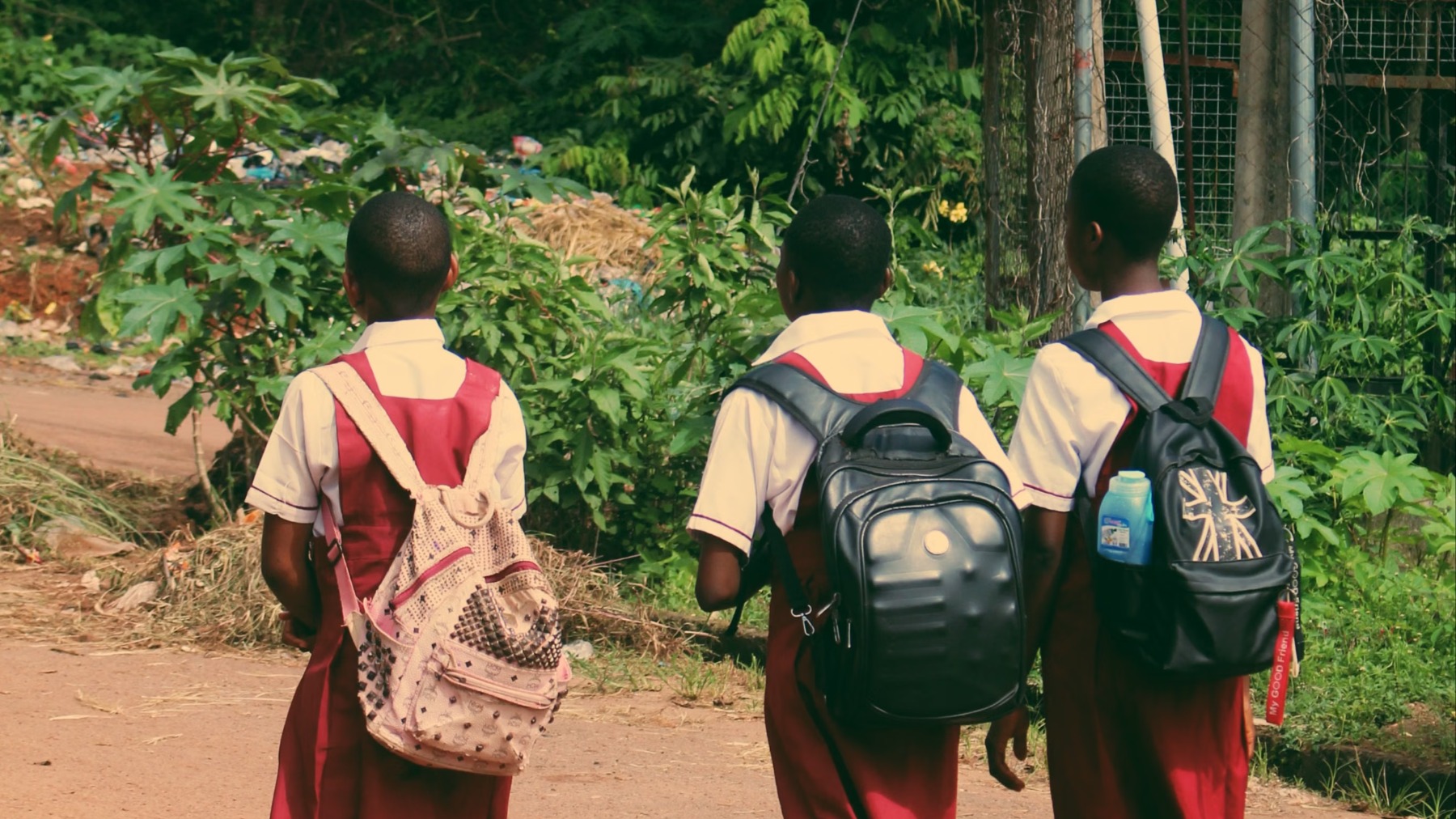
In rural Zambia, more than a third of girls give birth before turning eighteen. Behind that single number sits one of the quietest, most persistent forces pulling young women out of school and out of the futures they might otherwise have built for themselves.
Zambia introduced its School Re-entry Policy in 1997, replacing an earlier rule that simply expelled any girl who became pregnant while still enrolled. The re-entry policy was meant to give young mothers a path back into the classroom rather than closing the door on their education permanently. Nearly three decades later, researchers studying the policy's actual effect have found that good intentions on paper have not always translated into girls genuinely returning to school in practice.
WHY GIRLS STRUGGLE TO GO BACK
Studies conducted in Zambian communities describe a familiar set of obstacles standing between a young mother and her old classroom seat. Stigma from classmates and even teachers discourages many girls from returning at all. Childcare is rarely available near schools, leaving new mothers with no safe place to leave a baby during lessons.
Poverty compounds every other barrier, since families already struggling to cover school costs often see little reason to prioritise a daughter's return once a baby has arrived. Researchers examining the policy's implementation in Chongwe found these pressures playing out consistently across different communities, with the policy's formal existence doing little to remove the practical and social barriers standing in a young mother's way.
THE WIDER PATTERN ACROSS THE REGION
Zambia's experience mirrors a pattern researchers have documented across much of sub-Saharan Africa. Poverty, low secondary school enrolment, and community norms that treat early motherhood as simply a woman's expected path all feed into the same outcome, a generation of girls whose education ends earlier than it needed to. Health researchers have also pointed to the physical risks tied to early childbirth, noting that pregnancy complications remain one of the leading causes of death among adolescent girls in low and middle income countries, a risk that grows sharper the younger the mother happens to be.
WHAT IS BEING TRIED
Researchers and health organisations working in Zambia have tested approaches beyond the re-entry policy itself. Programmes offering direct economic support to girls and their families, alongside community education on sexual and reproductive health, have shown promise in reducing early childbearing in rural trial communities.
The underlying logic is straightforward. A family under less financial strain has less pressure to see a daughter married or mothering early, and a community that understands the health risks involved is more likely to support a young woman's return to school rather than quietly steering her away from it.
WHAT IT MEANS FOR ZAMBIA
The scale of this issue means it touches nearly every district in the country, particularly rural communities where poverty and limited secondary school access already put girls at a disadvantage before pregnancy ever enters the picture.
Keeping a policy on the books has proven far easier than making it work in practice for the girls it was designed to help. Closing that gap will likely require the same combination researchers keep pointing to, economic support for struggling families, genuine childcare options near schools, and a shift in how communities themselves treat a young mother's right to keep learning.
Stay with MUVI
Follow our reporting wherever you are