Education
Zambia’s Libraries, A Forgotten Treasure Ready for Revival
·October 25, 2026
As Zambia celebrates 62 years of Independence, there is growing optimism as the nation rediscovers some of the institutions and infrastructure that were established to support education, learning and community wellbeing. Among these are Zambia’s public libraries, long-standing community assets that are now finding their way back into public conversation.
Many Zambians will have seen the popular social media videos where members of the public are asked to define everyday words such as "antibiotics", only to provide humorous and often unrelated answers. While these clips provide entertainment, they also highlight a more serious challenge. Zambia's adult literacy rate is estimated to be between 62% and 71.8%, reflecting the proportion of adults who can read and write a simple statement about their daily lives.
Recent attention has turned towards Lusaka’s libraries following the launch of the "Make Lusaka Clean" campaign, widely known as the Doba Apo initiative. During Operation Clean Path, Phase 2, Lusaka Mayor, His Worship Chitambala Mwewa, visited the Lusaka City Library on Katondo Street and announced plans to refurbish and modernise the facility for use by families, learners and the wider community.
The announcement has been warmly welcomed by educators, readers and advocates of literacy development. The timing could not be more important. According to the World Bank (2022), Zambia’s Learning Poverty rate, defined as the percentage of children unable to read and understand a simple text by the age of ten, stands at an estimated 98.5%. This statistic underscores the urgent need for greater access to reading materials and literacy-promoting environments.
Interestingly, the recent spotlight on the Katondo Street library has also revealed how little many residents know about the city's library services. For some, it was a surprise to discover that Lusaka even has a public library. Yet encouragingly, this renewed visibility has sparked public debate and community action, with social media groups and literacy advocates rallying support for the restoration and promotion of library services.
Lusaka is home to four council libraries located in Katondo Street, Matero, Mtendere and Chilenje. Established during the 1960s and 1970s with support from the British Council, these libraries were designed to serve local communities by providing free access to books, information and learning opportunities. Today, they continue to be managed by the Lusaka City Council.
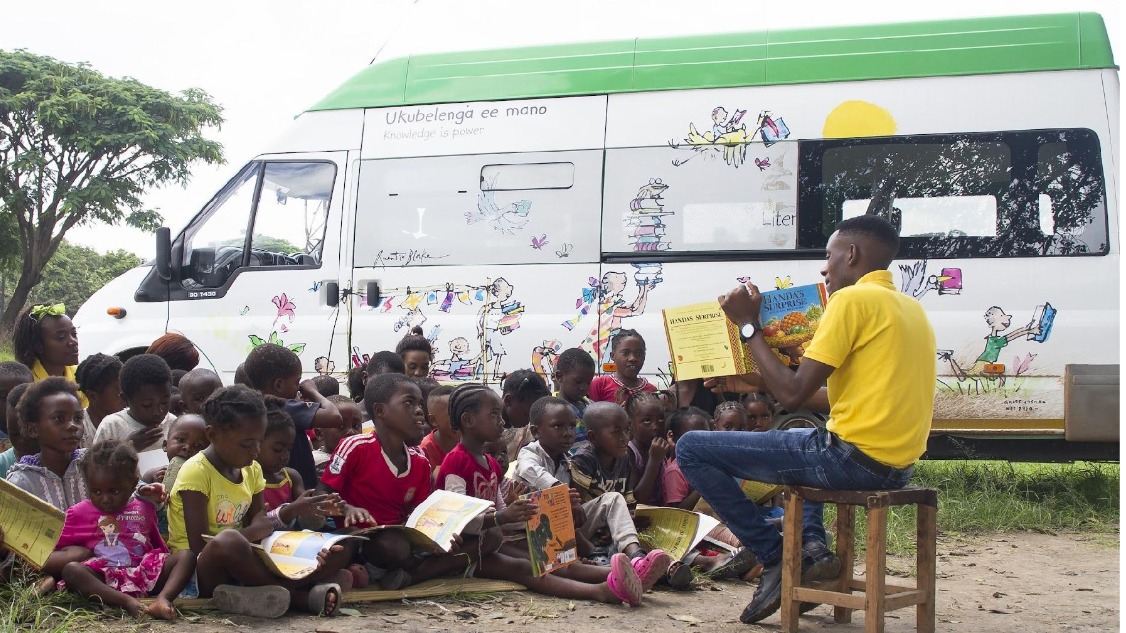
The renewed interest has also inspired grassroots campaigns such as Bring Life Back into Katondo Library, alongside the ongoing efforts of organisations committed to promoting a culture of reading across Zambia. These include The Book Bus Zambia, PECS Library, the Association for Health Information and Libraries in Africa (AHILA), and numerous community-based literacy initiatives.
For many families, building a home library remains financially challenging. Children's books can be expensive, and few households own a wide selection of reading materials. Public libraries therefore play a vital role as the community's shared bookshelf, offering free access to knowledge, imagination and opportunity.
Libraries are more than buildings filled with books. They are spaces where curiosity is nurtured, learning is encouraged and futures are shaped. Librarians provide valuable guidance to families, helping parents identify age-appropriate books and inspiring children to discover stories that excite and engage them.
Research consistently shows that children are more likely to develop positive reading habits when they see the adults around them reading and valuing books. When parents, grandparents and carers demonstrate an interest in reading, children are encouraged to do the same.
Improving literacy requires collective effort. Schools, families, communities and government all have a role to play. The renewed focus on public libraries generated through the Doba Apo campaign presents a unique opportunity to revitalise these important institutions and restore them to the heart of community life.
As Zambia looks towards the future, its libraries stand ready to support the next generation of readers, thinkers and leaders. Their revival is not simply about renovating buildings; it is about investing in knowledge, empowering communities and creating opportunities for every child to succeed.
Stay with MUVI
Follow our reporting wherever you are