Health
Two Injections a Year Can Help Prevent You From Getting HIV
By Muvi TV News Desk·September 12, 2026
For years, one of the challenges of HIV prevention has been simple - remembering to take the medicine.
But what if instead of taking a pill every day, a person could protect themselves against HIV with an injection just twice a year?
That option is now becoming a reality in Zambia.
The country is rolling out lenacapavir, a long-acting injectable medicine used as pre-exposure prophylaxis, commonly known as PrEP, to prevent HIV among people who do not have the virus but may be at risk of acquiring it.
Unlike oral PrEP, which generally requires taking medication regularly, lenacapavir is administered only once every six months.
That means two injections can provide a full year of HIV prevention coverage — provided they are received on schedule and the person remains clinically eligible.
And that could be significant for Zambia.
Daily PrEP is highly effective when taken correctly, but taking medication every day is not always easy.
People forget. Others may have difficulty keeping medication private. Some may stop taking pills when travelling or when their circumstances change.
There can also still be stigma associated with possessing HIV-related medication, even when someone is taking it for prevention rather than treatment.
A twice-yearly injection removes much of that daily burden.
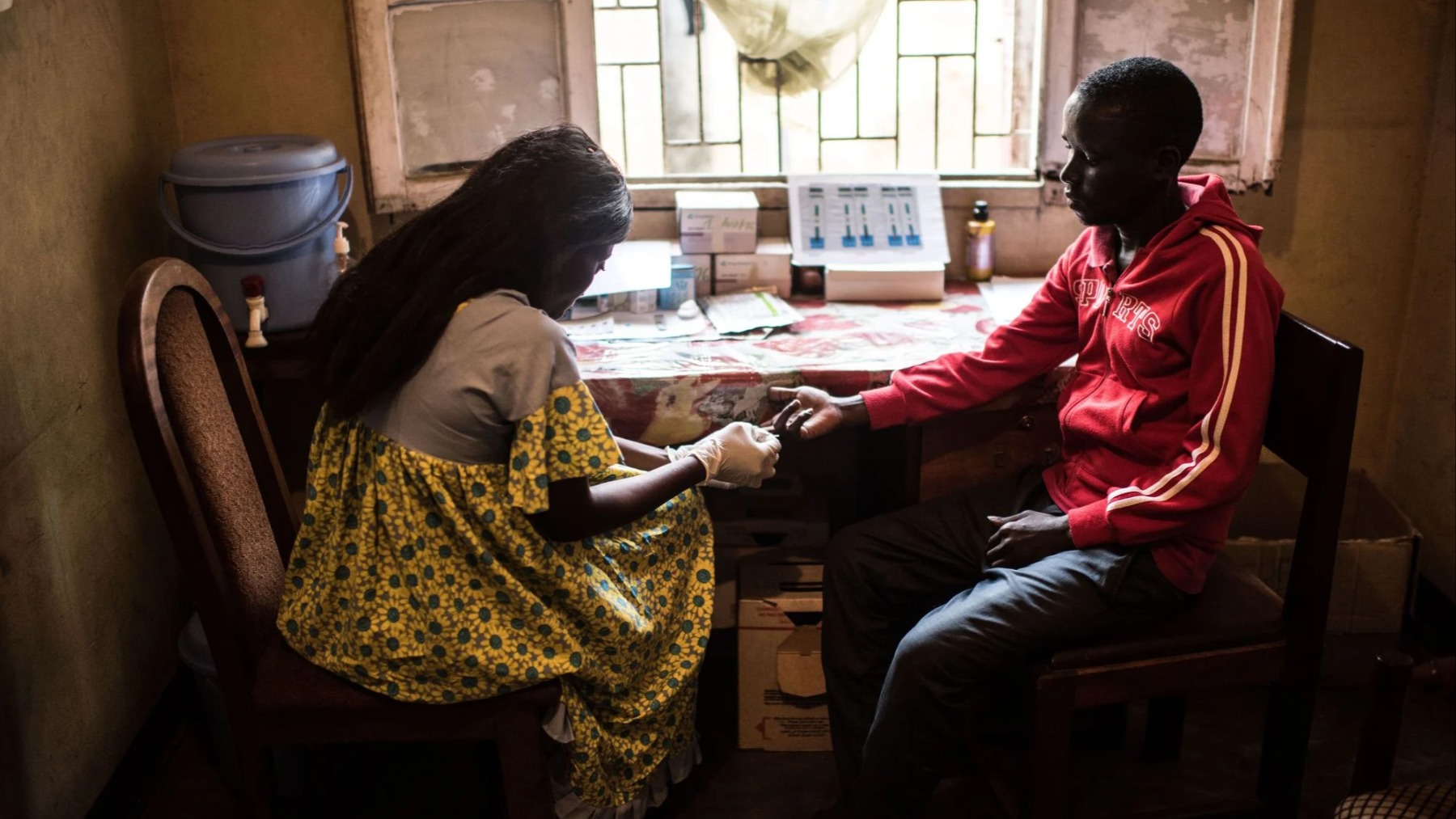
A person can visit a health facility, receive the injection and return approximately six months later for the next scheduled dose.
The Ministry of Health says the injectable option may particularly benefit young people and others who struggle with taking daily or frequent medication.
The science behind lenacapavir has attracted international attention because of the results recorded in major clinical trials.
In the PURPOSE 1 trial involving more than 5,000 adolescent girls and young women in South Africa and Uganda, no HIV infections were recorded among the 2,134 participants who received twice-yearly lenacapavir during the primary analysis.
The findings demonstrated the potential of a medicine that can provide highly effective HIV prevention without requiring someone to remember a tablet every morning.
But lenacapavir is not an HIV vaccine.
It is a form of PrEP, meaning protection depends on receiving the medication according to the recommended schedule.
It also does not cure HIV and is intended as prevention for people who are HIV-negative.
Zambia has made significant progress in its response to HIV, but new infections have not disappeared.
The Ministry of Health reported that Zambia recorded about 30,000 new HIV infections in 2024, up from approximately 23,000 the previous year.
Young people remain particularly affected.
According to the Ministry, adolescents and young people aged 15 to 24 account for around 38 percent of new infections, while adolescent girls and young women are disproportionately affected.
That makes giving people more prevention choices increasingly important.
For one person, a condom may be the preferred method.
For another, daily oral PrEP may work well.
For someone else, an injection every six months may be easier to maintain.
Lenacapavir is therefore being introduced alongside — rather than simply replacing — existing HIV prevention methods.
The convenience of a twice-yearly injection should not be confused with protection against every sexual-health risk.
Lenacapavir is specifically intended to prevent HIV.
It does not prevent pregnancy and does not provide protection against other sexually transmitted infections.
Condoms therefore continue to have an important role even for people using injectable PrEP.
People receiving lenacapavir also still need HIV testing and clinical follow-up, and injections must be received according to schedule.
Perhaps the biggest significance of lenacapavir is not simply that Zambia has another medicine.
It is that HIV prevention is becoming less dependent on a person's ability to remember something every single day.
For someone who has struggled to consistently take daily PrEP, two appointments a year could make prevention considerably easier.
And for Zambia, where thousands of people continue to acquire HIV each year despite decades of prevention campaigns, expanding the number of choices available could make an important difference.
The HIV prevention message used to be largely about what people had to remember every day.
Increasingly, it may also be about what can be done twice a year.
Stay with MUVI
Follow our reporting wherever you are