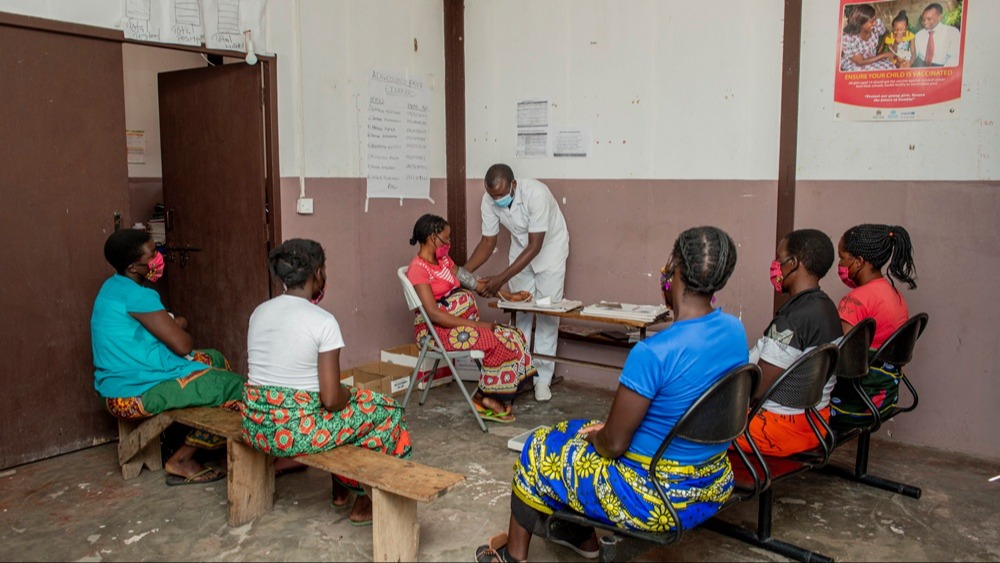
Health
When Dementia Comes Home, Families Need Somewhere To Turn
By MUVI Editorial·September 26, 2026
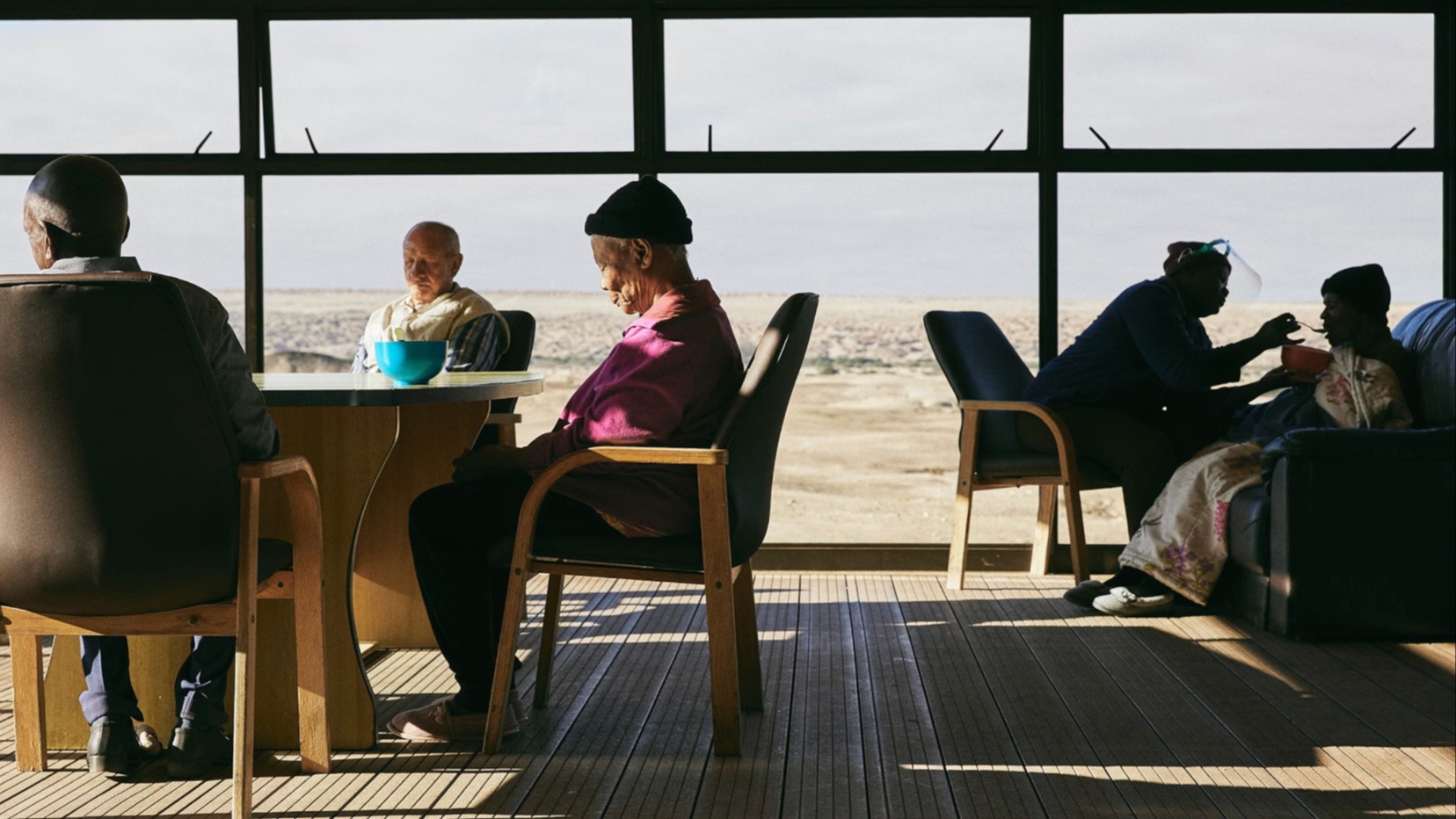
Dementia is still widely misunderstood in Zambia, with some elderly people showing symptoms such as confusion, wandering and memory loss being accused of witchcraft instead of being recognised as living with a medical condition.
For families who do understand the diagnosis, another problem remains. Finding appropriate care can be just as difficult.
A care system not built for dementia
Zambia has 10 old people's homes, according to the Ministry of Community Development and Social Services, compared with just two in the 1960s.
But these homes were not established with dementia care in mind. The country's first old people's home, Mitanda in Ndola, opened in 1948 during the colonial era. Today, the government directly runs only two homes, Maramba Old People's Home in Livingstone and Chibolya in Mufulira. The others are operated by churches, charities and other organisations.
Research into Zambia's old people's homes has found major gaps in staffing, funding and specialised care. Residents typically do not have access to dedicated physicians, nurses, nutritionists, dietitians or medical social workers within the facilities.
Caregivers have also reported working with limited resources, low staffing levels and little specialised training.
For a person living with dementia, these gaps can make an already difficult condition even harder to manage.
## Home care has its own challenges
Keeping a loved one at home may seem like the natural alternative, but dementia care can become increasingly demanding as the condition progresses.
Families may have to deal with wandering, confusion, agitation, changes in behaviour, medication, nutrition, incontinence and the need to make the home safer.
Most families receive little or no formal training in managing these challenges.
They are often providing complex care while also working, raising children and managing the demands of everyday life.
This leaves many families caught between two difficult options. Institutional care is available but often under-resourced and not specifically designed around dementia. Home care keeps families together but can leave caregivers without the knowledge, support and resources they need.
## What needs to change
The Ministry of Community Development and Social Services has recognised the need for minimum standards of care in old people's homes, particularly because older people can be vulnerable to abuse, neglect and violations of their rights.
Better standards, adequate funding and specialised training could help improve the quality of care available in these facilities.
Training could also reach families directly. Community-based programmes that provide information about dementia could be expanded to give caregivers practical skills to manage the condition at home.
Stigma also needs to be addressed.
Choosing professional care for an elderly relative should not automatically be seen as abandoning them. For some families, accessing trained care may be an important way of protecting the dignity and safety of a loved one.
For now, many Zambian families caring for someone with dementia are left navigating a difficult care system with limited support.
The challenge is no longer only helping people understand that dementia is a medical condition. It is also making sure families have somewhere to turn once they understand it.
This article is for general information purposes only and does not constitute medical or care advice. Families caring for someone with dementia are encouraged to seek guidance from a qualified healthcare practitioner or recognised care organisation where possible.
Stay with MUVI
Follow our reporting wherever you are