World
Cambridge's Youngest Black Professor Resigns. Here's Why Everyone Is Talking About It
By MUVI Editorial·August 7, 2026
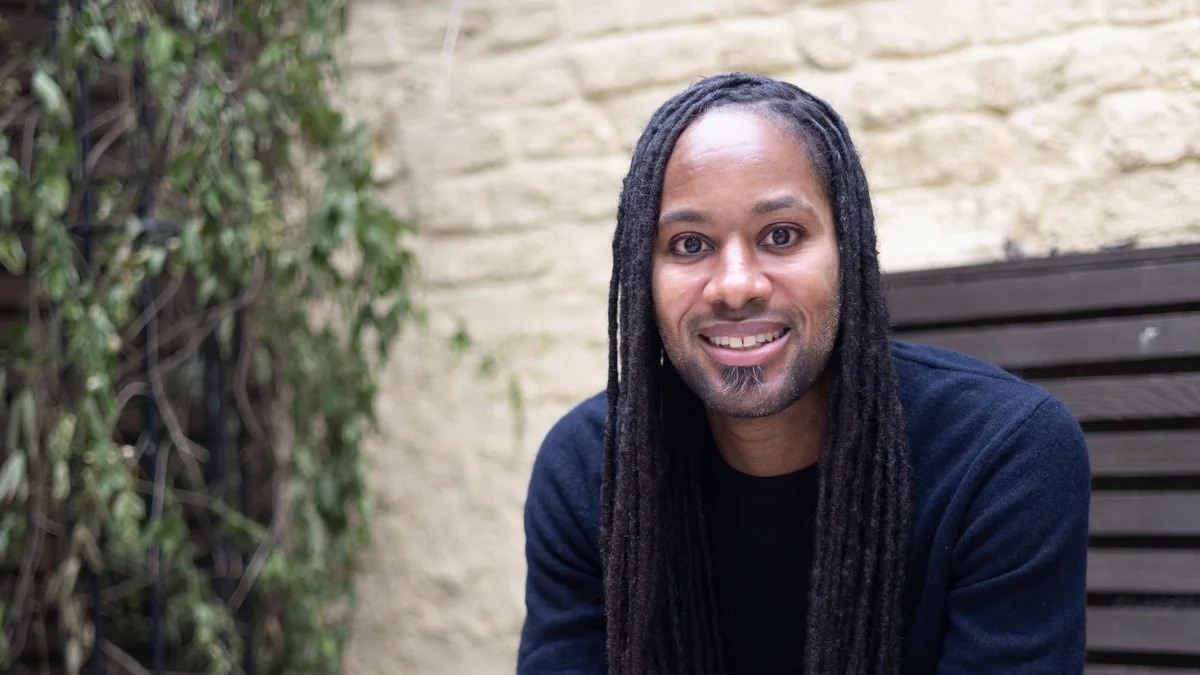
Jason Arday's rise to become the University of Cambridge's youngest-ever Black professor was, for two years, one of British academia's most celebrated stories. This week, that story ended in resignation, as Arday stepped down amid mounting plagiarism allegations and questions over parts of his academic record, prompting Cambridge to commit to reviewing how it appoints senior academics in the first place.
Arday's appointment in 2023 drew attention as much for his personal story as for his scholarship. He has said he is autistic and dyslexic, did not speak until the age of 11, and could not read or write until his late teens. From that starting point, he built an academic career that culminated, at 37, in a professorship of sociology of education at one of the world's most prestigious universities, alongside a fellowship at Jesus College. He also cultivated a public profile beyond academia, including as an Olympic torchbearer in 2012 and, by his own account, an ultra-marathon runner and charity fundraiser, having said he once ran 30 marathons in 35 days and raised millions of pounds for good causes. That combination, an inspirational personal narrative paired with a landmark academic appointment, made him one of the most visible Black academics in Britain, and, ultimately, a lightning rod when the allegations against him began.
Arday announced his resignation "with immediate effect" from both his professorship and his Jesus College fellowship on 5 August, in a statement distributed by the Good Law Project, a social justice-focused campaign group. "The relentless accusations, speculation and public commentary have taken a profound toll on me and on those I love," he said, adding that his decision should not be read as "an acceptance of the narratives that have surrounded me."
The resignation came a day after Cambridge announced it was opening a new investigation into "new information" concerning Arday's academic qualifications and honorary appointments, saying separately that complaints of academic misconduct were being handled under its research misconduct policy. On 7 August, two days after Arday quit, the university confirmed that his resignation would not end the inquiry. "Regardless of Mr Arday's resignation, the University will continue to investigate the circumstances around his appointment and tenure," Cambridge said, adding that the findings "will feed into a review of the process for the appointment of senior academic roles." Cambridge's Research Policy Committee will separately review the institution's research misconduct policy itself.
The plagiarism claims were first raised in July by Nathan Cofnas, a US academic who describes himself as a "race realist" and whose research affiliation with a Cambridge college was terminated in 2024 following racism accusations against him. Cofnas told CBS News he ran Arday's doctoral thesis and several subsequent academic papers through plagiarism-detection software after being contacted by a Cambridge academic who told him "there is a plagiarist and fabulist on the faculty." He said he "found extensive plagiarism," alleging that sections of Arday's work closely resembled, and in some cases directly copied, other scholars' work without proper attribution.
Liverpool John Moores University, where Arday completed his PhD, had previously investigated an earlier plagiarism complaint and concluded the issue reflected "honest and reasonable error" rather than misconduct, according to the Guardian. More recently, the Times of London reported that Cambridge's new investigation was prompted by evidence suggesting some of Arday's research contained fabricated or "impossible" data, and separately raised questions about elements of his personal biography, including the marathon and fundraising claims described above.
Arday's public profile at Cambridge had rested heavily on the inspirational personal story outlined earlier. In an interview with the Times published shortly before his resignation, Arday denied plagiarism but admitted to "mistakes" in his academic work, which he attributed partly to a lack of supervision during his doctorate. He said he was being unfairly "portrayed to be a liar and a fantasist and an academic fraud," and alleged that the campaign to remove him from his position was "racially motivated."
A letter previously circulated in his defence and signed by more than two dozen academics and politicians described the allegations as a "smear campaign" aimed at undermining Arday and other Black people in "positions of influence." However, Jesus College head Sonita Alleyne, the first Black head of an Oxbridge college, has since removed her name from that petition. The college has said it is launching its own separate investigation, noting that Arday's fellowship there had been contingent on his university appointment.
A group of Cambridge academics has pushed for an independent investigation into how Arday was appointed in the first place, arguing the university should not be left to "mark its own homework." Priyamvada Gopal, a Cambridge professor of postcolonial studies among those calling for outside scrutiny, told the BBC the inquiry should involve a mix of senior academics from Cambridge and other institutions, and said the affair had caused the university "massive reputational damage." Cambridge has said it is "fully aware of the public commentary and concerns" but has not said whether external academics will be involved in either the Arday investigation or the broader hiring process review.
Stay with MUVI
Follow our reporting wherever you are